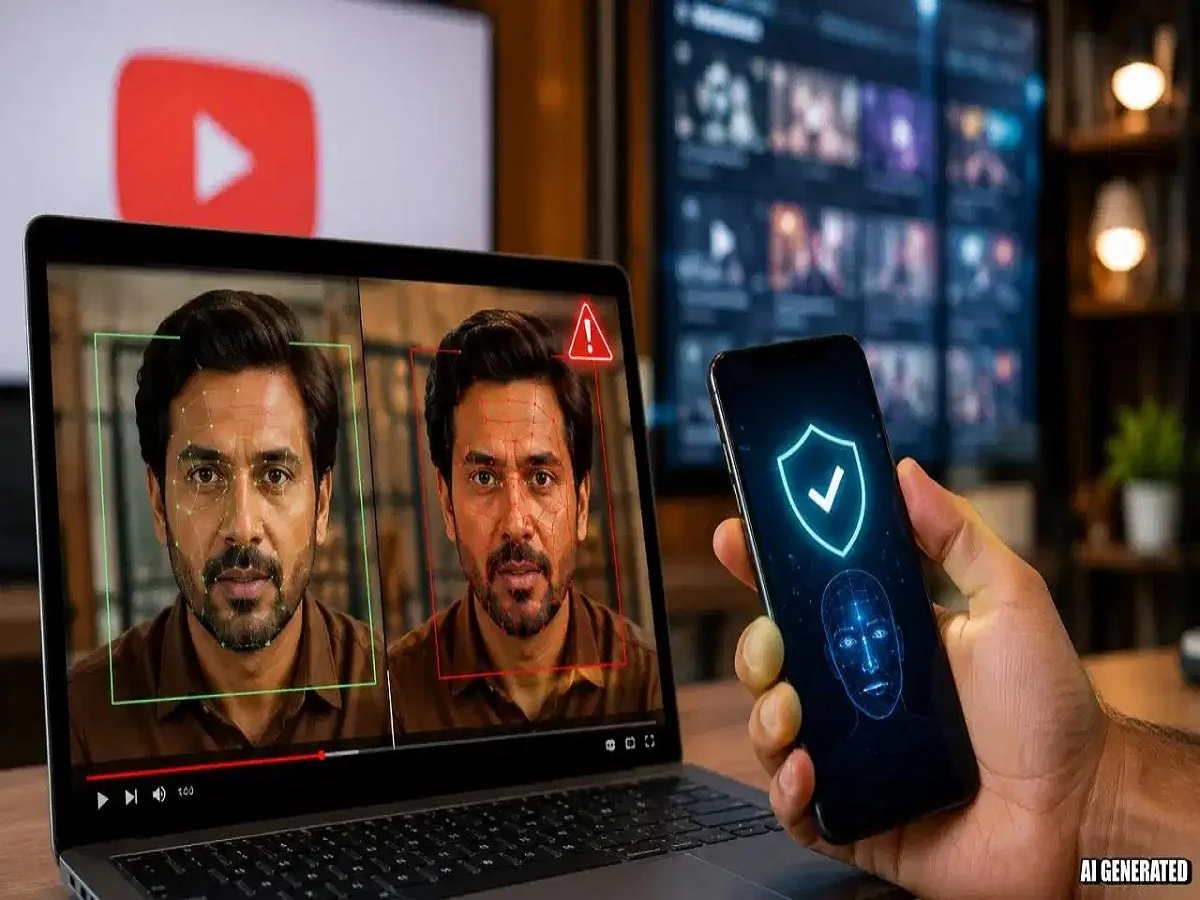
Artificial intelligence is rapidly transforming online content creation, but it is also creating serious challenges for digital platforms worldwide. One of the biggest concerns today is the rise of deepfake videos — highly realistic AI-generated clips that can imitate a person’s face, voice, expressions, and speaking style with shocking accuracy.
To tackle this growing threat, YouTube is now strengthening its creator protection system by expanding access to its AI-powered likeness detection feature.
The company has announced that in the coming weeks, more creators will gain access to tools that help identify videos using their face or likeness in AI-generated or manipulated content.
YouTube Expanding AI Likeness Detection Tool
Previously, YouTube’s AI likeness detection system was available only to a limited group of creators. However, the platform is now gradually rolling out the feature to all eligible creators aged 18 years and above.
The feature will be accessible directly through YouTube Studio and is designed to help creators detect whether someone has uploaded synthetic or AI-edited videos using their facial identity.
This move comes as concerns over misinformation, impersonation, and online scams involving deepfake technology continue to grow globally.
Why Deepfake Technology Has Become a Major Concern
Deepfake technology has evolved far beyond simple face-swapping.
Modern AI tools are now capable of replicating:
- Facial expressions
- Voice tone and modulation
- Lip movement synchronization
- Speaking patterns and gestures
As a result, fake videos often appear extremely realistic, making it difficult for viewers to distinguish between genuine and manipulated content.
Experts warn that such technology can be misused for:
- Spreading misinformation
- Identity theft
- Financial scams
- Fake celebrity endorsements
- Political manipulation
- Harassment and reputation damage
YouTube’s latest step is aimed at giving creators more control over how their identity is used on the platform.
How the New YouTube Feature Works
Once the feature becomes available for eligible creators, it can reportedly be activated through YouTube Studio using a few simple steps.
Steps to Enable the Feature:
- Open YouTube Studio
- Go to the “Content Detection” section
- Select “Likeness”
- Tap on “Start Now”
After enabling the feature, creators will be asked to complete a one-time identity verification process and provide necessary permissions.
Once setup is completed, YouTube’s system will begin scanning uploaded videos across the platform to identify content that may contain AI-generated or edited versions of the creator’s face.
AI Will Scan Videos for Manipulated Content
The platform’s AI system is expected to analyze uploaded media and detect whether a creator’s facial likeness has been used in manipulated videos.
This technology could become especially useful for:
- YouTubers
- Influencers
- Public figures
- Streamers
- Educators
- Celebrities and entertainers
As AI-generated content becomes more advanced, platforms are increasingly investing in automated detection tools to maintain trust and safety online.
Growing Global Pressure on AI Content Platforms
Major technology companies worldwide are facing mounting pressure from governments and regulators to create safeguards against AI misuse.
Platforms including Google, YouTube, and other social media companies are now focusing heavily on:
- AI transparency
- Labeling synthetic content
- Detecting manipulated media
- Protecting creator identity rights
Several countries are also discussing stricter laws regarding deepfake videos and AI-generated impersonation.
A Big Step Toward Safer Content Creation
Industry experts believe YouTube’s expanded AI likeness detection feature could become an important tool for protecting creators from identity misuse.
Although the platform has not officially announced the exact global rollout timeline, reports suggest the feature will gradually reach more creators over the coming weeks.
As artificial intelligence continues to reshape digital media, tools like these may soon become essential for maintaining authenticity and trust across online platforms.