PARENTING
Polygenic Screening: Perfect babies will always be born! This technology can predict IQ levels.

Polygenic Screening: Polygenic screening claims to predict a child's IQ and predisposition to certain diseases before birth. Learn about this technology and why experts are concerned.
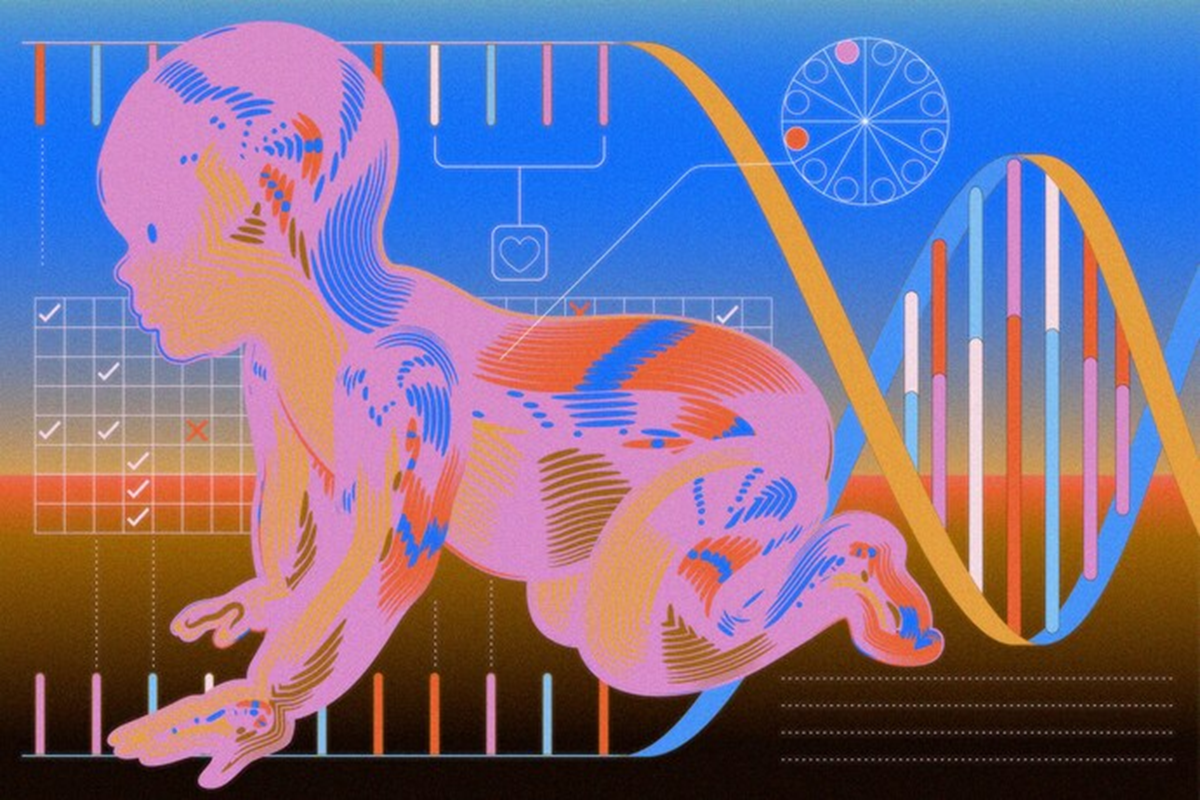
Polygenic Screening
Polygenic Screening for Child IQ: A new technology is gaining widespread attention these days. It's called "polygenic screening." It's being claimed that this technology can predict a child's IQ, or their potential intelligence, even before they're born. This news is related to an American company called Nucleus Genomics. Following the company's claim, this technology is generating considerable discussion.
What is this technology after all?
When a couple attempts to have a child through IVF, or test tube, doctors consider several options in the early stages of conception. Previously, these tests were used to determine if the child was at risk for any disease. However, Nucleus Genomics now says that gene testing can also determine a child's intelligence, height, eye color, and the risk factors for certain diseases.
Claims to have chosen the "perfect child"
The company says that this method can help parents choose a better and smarter child. The company is charging approximately $6,000, or approximately 500,000 rupees, for this service.
According to the company, this is just a method of providing information. After that, parents can make their own decisions. However, the company also acknowledges that this IQ estimate is not completely accurate. It is just an estimate and there is no guarantee.
Why are experts worried?
Many scientists and doctors are expressing concern about this technology, saying that many questions remain.
- This doesn't provide a definitive answer— a child's intelligence isn't determined solely by genes. Their upbringing, home environment, food, and education also have a significant impact. Therefore, predicting a child's IQ based solely on genes isn't entirely accurate.
- A single gene can affect multiple things - A single gene can affect more than one function in the body. Therefore, if a gene is selected for as an "IQ booster," it may be that the same gene increases the risk of another disease in the future.
- This could fuel negative thinking. Many experts say that this approach of selecting for "better genes" is reminiscent of the old and dangerous concept of "eugenics." This refers to the idea that some people are considered superior to others. This could lead to increased discrimination in society.
If you're reading this news and thinking that anyone can now make their baby "perfect," that's not right. This technology is still new. Its results aren't completely reliable, and there's considerable debate among scientists about it. For your information, this feature is currently not available in India.
What should be understood in the end?
Polygenic screening is certainly a new and highly debated technique. However, its claims of choosing the "perfect child" are not yet fully justified. More research is needed, and clear regulations are necessary. Therefore, until more information and definitive results are available, it's not wise to rely solely on its claims.