NEWS
Solar Panel Cleaning Guide: When and How to Clean Your Solar Panels for Maximum Power Generation
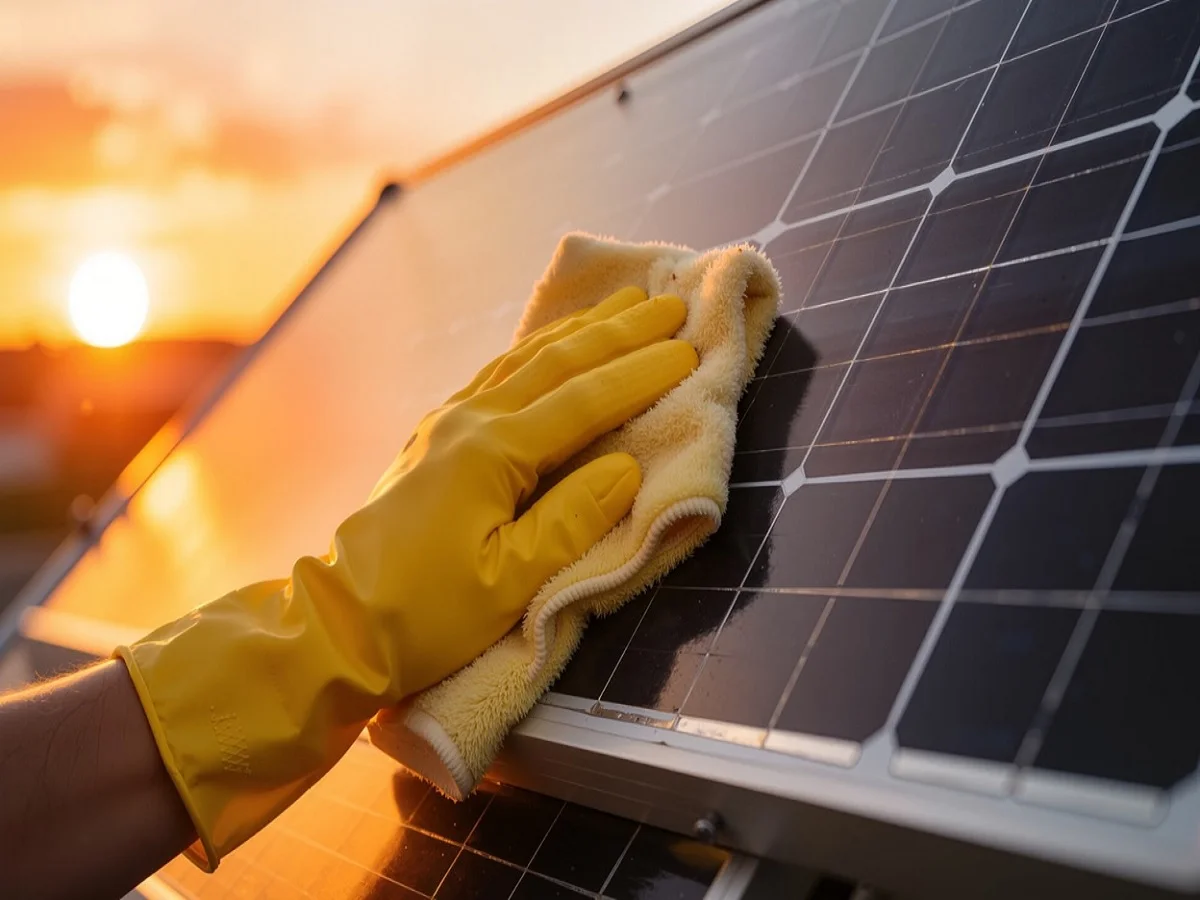
As electricity prices continue to rise, more households and businesses are turning to solar energy to reduce power bills and achieve greater energy independence. Solar panels are known for their low-maintenance design, but that does not mean they can be ignored completely. To ensure optimal performance and maximum electricity generation, regular cleaning and basic maintenance remain essential.
Over time, dust, dirt, bird droppings, leaves, pollution particles, and other debris can accumulate on the surface of solar panels. This layer of grime can block sunlight and reduce the system's efficiency, leading to lower power production. Understanding when and how to clean solar panels properly can help maintain their performance and extend their lifespan.
Why Cleaning Solar Panels Is Important
Solar panels generate electricity by absorbing sunlight. When dirt and debris cover the panel surface, less sunlight reaches the solar cells, which can affect power generation.
Common factors that reduce panel efficiency include:
- Dust accumulation
- Bird droppings
- Dry leaves and tree debris
- Air pollution particles
- Pollen and environmental residue
Regular cleaning helps ensure that panels continue to operate at their intended capacity throughout the year.
How Often Should Solar Panels Be Cleaned?
There is no universal cleaning schedule for solar panels. The frequency depends largely on local environmental conditions.
Signs Your Solar Panels Need Cleaning
You may need to clean your solar panels if:
- Visible dust or dirt covers the surface.
- Bird droppings have accumulated.
- Dry leaves or debris are stuck on the panels.
- Several months have passed since the last cleaning.
- Electricity generation has noticeably declined.
- The panels are installed in dusty, polluted, or heavily wooded areas.
If you notice a sudden drop in power production, cleaning the panels should be one of the first troubleshooting steps before assuming there is a technical issue.
Safety Precautions Before Cleaning
Safety should always be the top priority when working around solar installations.
Choose the Right Time
The best time to clean solar panels is:
- Early morning
- Late evening
- On cool or cloudy days
Avoid cleaning panels during the hottest part of the day. Spraying cold water on extremely hot panels can cause thermal stress and potentially damage the glass surface.
Be Careful on Rooftops
If your solar system is installed on a high roof or difficult-to-access location, consider hiring professional cleaning services.
Never take unnecessary risks when working at heights.
Step-by-Step Solar Panel Cleaning Process
Step 1: Turn Off the Solar System
Before starting any cleaning work, switch off the solar power system according to the manufacturer's safety guidelines.
This reduces the risk of electrical accidents and protects both the equipment and the person performing the cleaning.
Step 2: Use Soft Cleaning Materials
Recommended cleaning tools include:
- Microfiber cloth
- Soft sponge
- Soft-bristle brush
- Clean water
These materials help remove dirt without scratching the panel surface.
Step 3: Avoid Applying Excessive Pressure
Solar panels are durable, but they should not be subjected to unnecessary force.
Never:
- Stand on the panels
- Sit on the panels
- Press heavily on the glass surface
Excessive pressure can create microscopic cracks in the solar cells, potentially reducing efficiency and causing permanent damage.
Step 4: Avoid Harsh Chemicals and Pressure Washers
Do not use:
- High-pressure water jets
- Abrasive cleaning products
- Strong chemical detergents
- Acid-based cleaners
These products may damage the protective coating on the panels and shorten their lifespan.
Step 5: Remove Stubborn Dirt Carefully
For bird droppings, dried mud, or stubborn stains:
- Place a damp cloth over the affected area.
- Leave it for a few minutes to soften the debris.
- Gently wipe away the dirt without scrubbing aggressively.
Allowing the dirt to loosen naturally helps prevent scratches and surface damage.
Additional Tips for Better Solar Panel Performance
To keep your system operating efficiently:
- Inspect panels regularly for visible dirt.
- Trim nearby tree branches that may drop leaves.
- Check for bird nests near the installation.
- Monitor electricity generation through your inverter or monitoring app.
- Schedule professional inspections periodically.
These simple measures can help maximize energy production throughout the year.
Can Rain Clean Solar Panels?
Many homeowners assume rainfall is enough to clean solar panels.
While rain can wash away loose dust, it often cannot remove:
- Sticky bird droppings
- Pollution residue
- Grease deposits
- Dried mud
Therefore, occasional manual cleaning may still be necessary, especially in regions with high dust levels or limited rainfall.
Clean Panels Mean Better Returns
Solar panels are designed to operate efficiently for decades, but their performance depends on proper maintenance. Keeping the panel surface clean allows maximum sunlight absorption, leading to better energy generation and improved financial returns on your investment.
By following safe cleaning practices and inspecting the system regularly, homeowners can ensure that their solar panels continue delivering reliable and cost-effective electricity for many years.