NEWS
Microwave vs OTG: Which is better for cooking in the summer, the microwave or OTG? Find out which will reduce the heat in the kitchen?
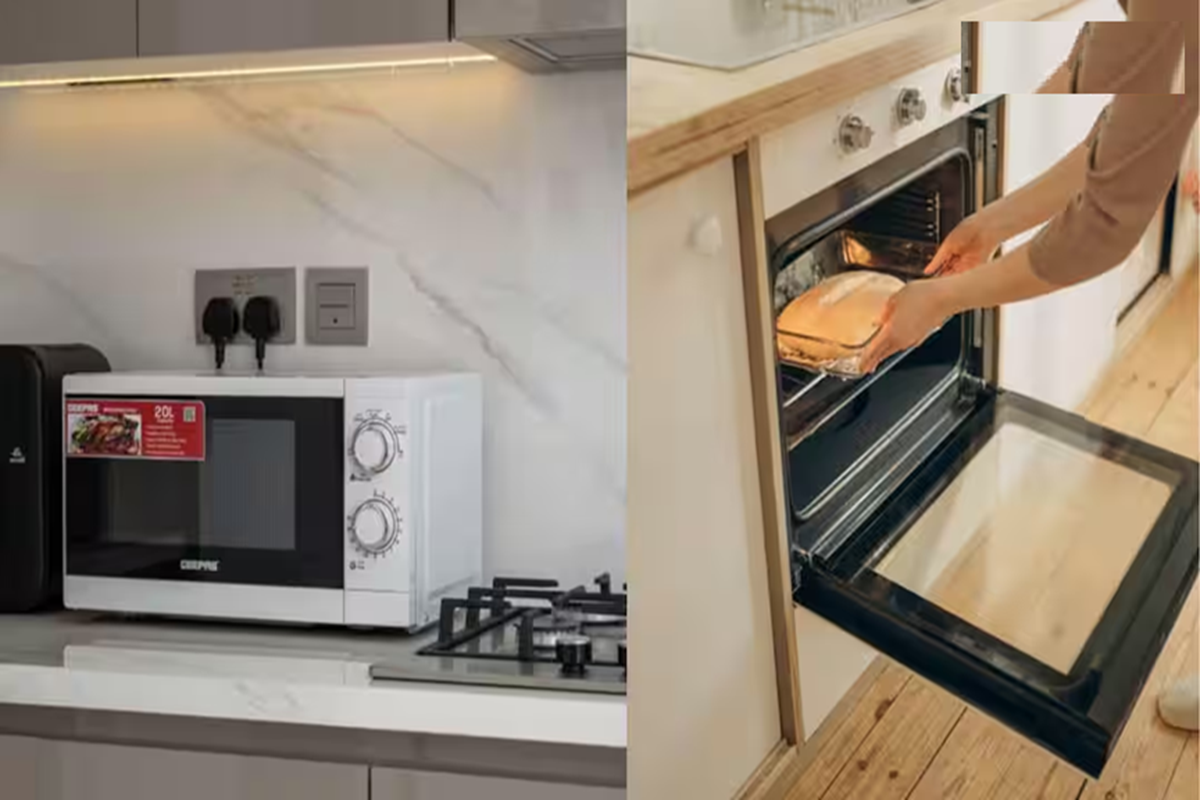
Microwave vs OTG: Microwaves use electromagnetic waves to heat food. This rapidly vibrates the water and fat molecules within the food, heating it from within.

Which is better, microwave or OTG?
Microwave vs OTG: Cooking for even a short while in the kitchen can become challenging during the summer . The temperature rises rapidly as soon as the gas is turned on, and standing in the kitchen for long periods of time becomes a hassle. Consequently, people are now considering not only gas stoves but also appliances like microwaves and OTGs, to see which option produces less heat and reduces electricity bills. This question has become especially important during the intense heat of the summer. So, let's explore which is better for cooking in the summer: a microwave or an OTG, and which of the two consumes less electricity and reduces heat in the kitchen.
How does a microwave work?
Microwaves use electromagnetic waves to heat food. They rapidly vibrate the water and fat molecules within the food, heating it from the inside. This is why the surrounding air doesn't heat up significantly during microwave use. This is why the kitchen temperature doesn't rise significantly during microwave heating or quick cooking. The outer body heats up less, and small tasks can be completed in just a few minutes.
OTG increases the heat in the kitchen
An OTG oven toaster griller works like a conventional oven. It has electric heating rods that heat up and spread dry heat throughout the chamber. During baking or grilling, the OTG maintains a temperature of 150 to 250 degrees Celsius for a long time. This causes the OTG's glass door, metal body, and surrounding air to gradually heat up. If cakes, cookies, or grilled food are cooked for a long time, the kitchen can become very hot within a short time.
Cooking time makes the biggest difference in summer.
The biggest difference between a microwave and an OTG is not just the heating technology, but also the cooking time. An OTG typically requires 10 to 15 minutes of preheating before using it. After this, cooking can take anywhere from 20 to 45 minutes. This means that heat is generated continuously over a longer period of time. A microwave, on the other hand, doesn't require preheating. Tasks like heating food, steaming vegetables, or preparing instant meals can be accomplished in just 2 to 10 minutes. Furthermore, due to its reduced usage, less heat is dissipated in the kitchen.
Whose electricity bill is higher?
Many people make decisions based solely on the voltage, but power consumption actually depends on the appliance's operating time. A microwave oven typically consumes 1200 to 1400 watts of power, but only runs for a few minutes. On the other hand, an OTG often has a lower voltage, but runs continuously for 30 to 60 minutes. Therefore, a microwave oven is considered more energy-efficient for everyday tasks. However, an OTG can consume more power during long baking and grilling sessions. Furthermore, the extra heat generated by an OTG can put a greater load on the AC or cooler, which can increase the electricity bill.
Still, why is OTG necessary?
Microwaves are considered more convenient in the summer, but the biggest advantage of OTGs is their food texture. While microwaves heat food quickly, they can sometimes leave a soft or rubbery feel. OTGs, on the other hand, use dry heat to give food a crispy, brown texture. For this reason, OTGs are still considered superior for baking, grilling, and toasting.