As electricity prices continue to rise, more homeowners and businesses are turning to solar energy as a long-term solution to reduce power bills and generate clean electricity. Solar panels can help lower dependence on conventional electricity while making use of sunlight, a renewable energy source.
However, installing a solar power system requires careful planning. Factors such as roof conditions, weather, installation costs, maintenance requirements, and battery storage should all be considered before making an investment.
Here are some important points to keep in mind before installing solar panels.
1. Solar Panels Generate Less Power Without Adequate Sunlight
Solar panels rely on sunlight to produce electricity. Their performance depends on the amount of solar radiation they receive throughout the day.
As a result:
- Solar panels do not generate electricity at night.
- Power generation usually decreases during cloudy or rainy weather.
- Winter months or regions with limited sunshine may experience lower energy output.
- Shading from nearby buildings, trees, or other structures can significantly reduce efficiency.
For homes with high electricity demand, a backup power source or grid connection may still be necessary during periods of low solar generation.
2. Initial Installation Costs Can Be Significant
One of the biggest considerations when switching to solar energy is the upfront investment.
The overall cost typically includes:
- Solar panels.
- Mounting structures.
- Inverter.
- Electrical wiring.
- Installation charges.
- Battery storage (if required).
Although many homeowners recover these costs over time through reduced electricity bills, the payback period varies depending on factors such as electricity consumption, system size, local tariffs, and available government incentives.
Before purchasing a system, it is advisable to calculate the expected savings and estimated return on investment.
3. Battery Storage Requires Careful Planning
While solar panels themselves produce clean energy, battery storage systems require additional consideration.
Batteries may be necessary for off-grid systems or for storing electricity generated during the day for use at night.
However:
- Batteries have a limited lifespan.
- They require periodic replacement.
- Improper disposal may harm the environment due to the chemicals they contain.
Whenever possible, batteries should be recycled through authorized recycling or disposal programs to minimize environmental impact.
4. Solar Systems Need Regular Maintenance
Solar panels are generally low-maintenance, but they are not completely maintenance-free.
To maintain optimal performance:
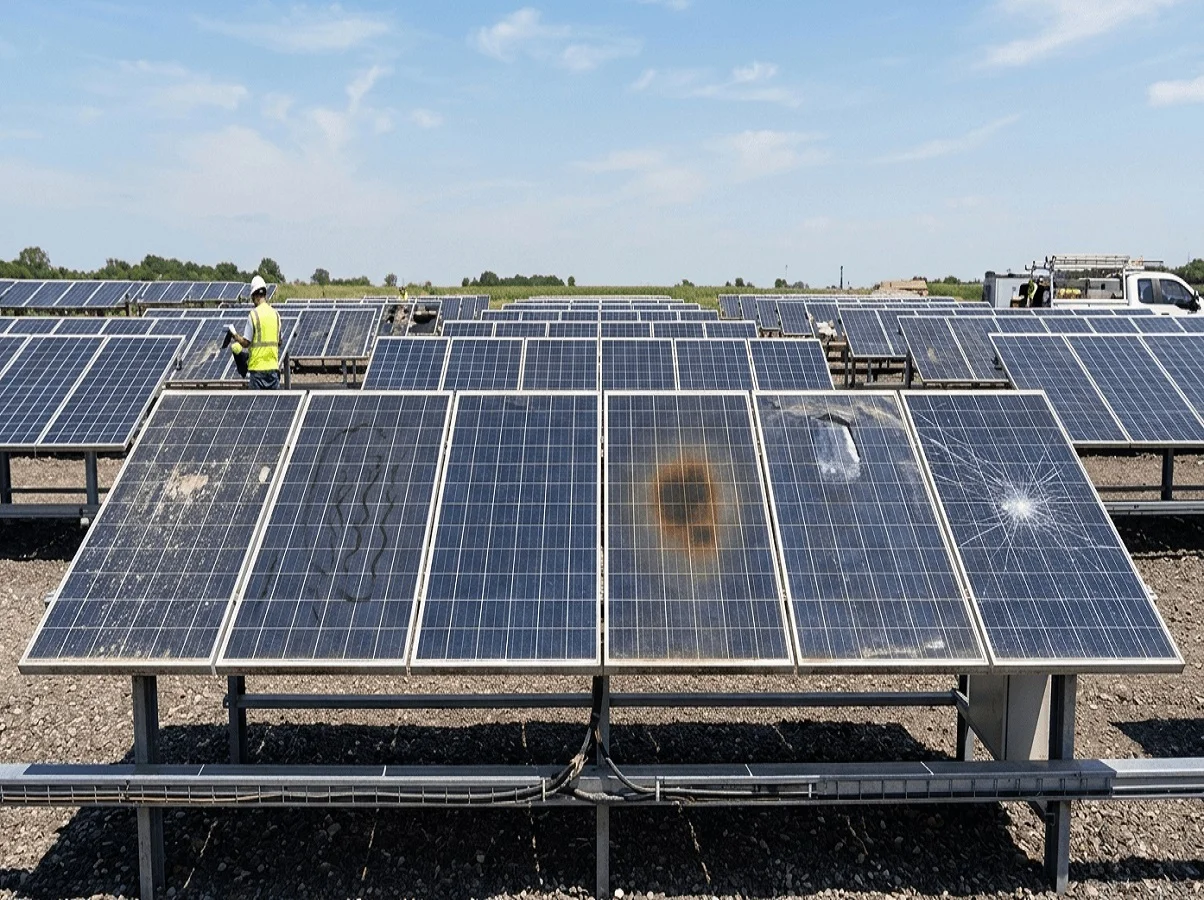
- Clean the panels periodically to remove dust, dirt, bird droppings, and debris.
- Inspect the mounting structure and wiring regularly.
- Check the inverter for proper operation.
- Arrange professional servicing if you notice a decline in energy production.
Extreme weather events such as heavy rainfall, hailstorms, or strong winds may occasionally damage system components, making routine inspections important.
5. Roof Space and Location Matter
A successful solar installation depends heavily on the available installation area.
Before installing a system, ensure that:
- The roof is structurally sound.
- The installation area receives adequate direct sunlight.
- There are minimal obstructions that create shade.
- The available space is sufficient for the number of panels required.
Homes with higher electricity consumption generally require larger solar systems, which in turn need more installation space.
If roof space is limited, a professional installer can help determine the most suitable system size.
Additional Factors to Consider
Besides the basic installation requirements, homeowners should also evaluate:
- The warranty offered on panels and inverters.
- The reputation of the installation company.
- Availability of after-sales service.
- Compatibility with net metering, where available.
- Government subsidies or incentive schemes, if applicable.
Comparing multiple quotations before making a purchase can help ensure better value for money.
Benefits of Solar Energy
Despite the initial investment, solar energy offers several long-term advantages.
These include:
- Lower electricity bills.
- Reduced dependence on conventional power sources.
- Renewable and environmentally friendly energy.
- Potential increase in property value.
- Lower carbon emissions.
For many households, the long-term savings can outweigh the initial installation cost, particularly in regions with abundant sunlight.
Final Thoughts
Solar energy can be a smart long-term investment for homeowners seeking lower electricity costs and greater energy independence. However, purchasing a solar power system should involve more than simply choosing the lowest-priced option.
Evaluating factors such as sunlight availability, roof condition, installation costs, maintenance requirements, battery needs, and expected energy consumption can help ensure that the system performs efficiently for many years.
Consulting a qualified solar installer and comparing different system options before making a final decision can help you select the most suitable solution for your home or business.