India is accelerating efforts to secure access to critical minerals that are essential for the future of electric vehicles, renewable energy, advanced electronics, semiconductors, and defense technologies. As global demand for these strategic resources continues to rise, policymakers are focusing on reducing supply chain vulnerabilities and strengthening domestic capabilities.
For years, China has dominated the global critical minerals ecosystem, controlling large portions of mining, processing, refining, and manufacturing operations. However, India and its international partners are now working on long-term initiatives aimed at creating more diversified and resilient supply networks.
The latest developments signal India's ambition to emerge as a major player in the global critical minerals industry while reducing dependence on a single source for key raw materials.
Quad Nations Launch Multi-Billion-Dollar Minerals Initiative
In a significant move, the four member countries of the Quad grouping—India, the United States, Australia, and Japan—have finalized a major framework focused on strengthening critical mineral supply chains.
The initiative is expected to support investments across the entire value chain, including:
- Mineral exploration
- Mining operations
- Refining and processing facilities
- Recycling infrastructure
- Advanced manufacturing capabilities
The broader objective is to develop reliable alternative supply routes and reduce concentration risks in the global minerals market.
Industry experts believe that stronger cooperation among Quad nations could help create a more stable and transparent supply ecosystem while supporting technological and industrial growth across member countries.
Why Critical Minerals Matter
Critical minerals have become indispensable for modern economies and emerging technologies.
They are used in a wide range of industries, including:
- Electric vehicle batteries
- Renewable energy systems
- Wind turbines
- Solar infrastructure
- Consumer electronics
- Semiconductor manufacturing
- Aerospace and defense equipment
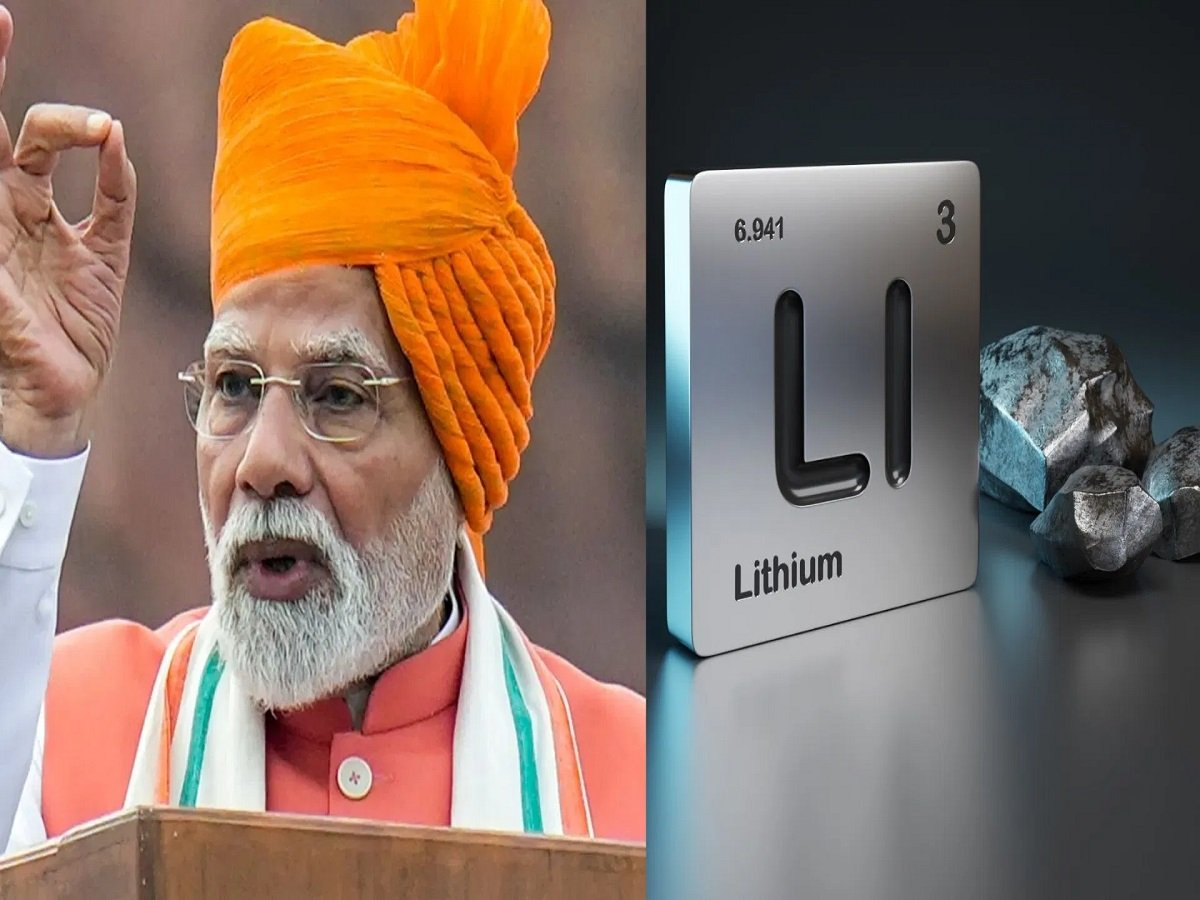
As countries transition toward cleaner energy and digital technologies, demand for minerals such as lithium, cobalt, nickel, graphite, and rare earth elements is expected to increase significantly.
Securing long-term access to these resources has therefore become a strategic priority for governments around the world.
Global Concerns Over Supply Concentration
One of the major challenges facing the global critical minerals market is the concentration of processing and refining capacity in a limited number of countries.
China currently plays a dominant role in several segments of the supply chain, particularly in mineral refining and the production of specialized components used in clean-energy technologies.
This concentration has prompted many economies to seek alternative sourcing arrangements and invest in diversified supply networks.
Recent restrictions and export controls imposed on certain strategic materials have further highlighted the risks associated with relying heavily on a single supplier. As a result, governments and industry leaders are increasingly prioritizing supply chain resilience alongside cost efficiency.
India Expands International Partnerships
India has been actively strengthening partnerships with resource-rich nations to secure long-term access to critical minerals.
Recent efforts include:
- Overseas mining agreements for lithium exploration.
- Strategic cooperation with Japan on critical mineral development.
- Expanded engagement with Australia on lithium and cobalt projects.
- Discussions with neighboring countries regarding rare earth resources.
- Collaborative initiatives aimed at securing raw material supplies for future industrial needs.
These partnerships form part of a broader strategy to build a diversified procurement network and reduce exposure to supply disruptions.
Processing and Refining Remain Key Challenges
While securing mineral resources is an important first step, experts emphasize that refining and processing capabilities are equally critical.
Many countries possess mineral deposits but lack the infrastructure needed to convert raw materials into usable industrial inputs. Building this capability requires significant investment, advanced technology, skilled manpower, and long-term policy support.
India's challenge is not only to access mineral resources but also to establish a competitive domestic ecosystem that can process and refine these materials at scale.
Developing these capabilities will be essential if the country hopes to become a major participant in global supply chains.
National Mission Aims to Strengthen Self-Reliance
To support this objective, the government has approved a large-scale national mission focused on critical minerals development.
Key areas of focus include:
- Expanding domestic exploration activities.
- Increasing mining operations across identified regions.
- Building refining and processing facilities.
- Supporting advanced geological surveys.
- Encouraging private and public sector participation.
- Developing specialized industrial corridors for strategic minerals.
Geological agencies are also utilizing advanced technologies to identify new mineral reserves and improve resource mapping across multiple states.
Opportunity for India to Become a Global Hub
Industry observers believe complete self-sufficiency in critical minerals may be difficult for any nation to achieve. However, creating diversified supply chains and strengthening domestic capabilities can significantly reduce strategic vulnerabilities.
With sustained investment, international partnerships, infrastructure development, and technological advancement, India has an opportunity to establish itself as a trusted global center for critical minerals over the coming decade.
As the world races toward cleaner energy systems and next-generation technologies, countries that secure reliable access to critical resources will gain a significant economic and strategic advantage. India's latest initiatives indicate that it intends to play a leading role in that future.