LIFESTYLE
Floor Cleaning Tips: Is there dust on the floor even after sweeping? Don't make this one mistake.
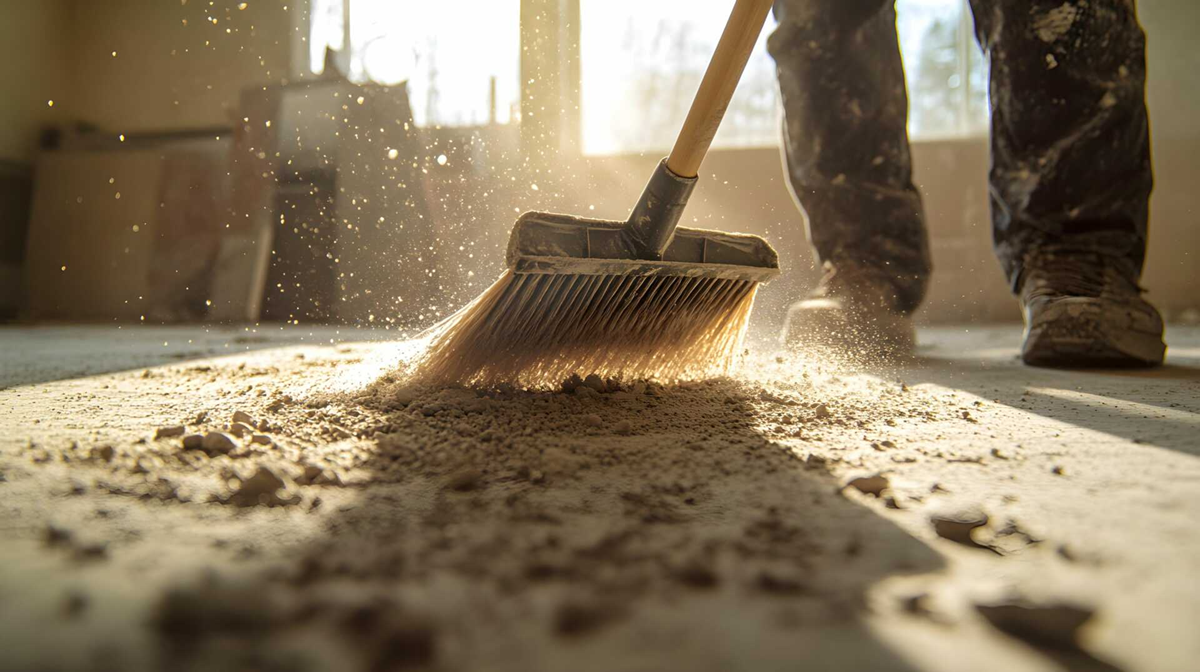
Dust-Free Home: If the method of sweeping is not correct or the dust accumulated in some places of the house is being ignored, then it can come back on the floor.
Why does dust accumulate on the floor even after sweeping?
Why Dust Settles After Sweeping: After cleaning the house, the floor looks clean, but after some time, fine dust starts appearing on it again. In such a situation, it seems that despite cleaning recently, why the dust in the house is not reducing. Sometimes the reason for this may not be the dirt or dust outside the house, but also the method of cleaning. If the method of sweeping is not correct or the dust accumulated in some areas of the house is being ignored, then it can settle on the floor again.
If fine dust starts to appear on your floor after a few sweeps, try changing your cleaning method. Keeping a few small things in mind can make cleaning more effective.
Always sweep from top to bottom
When cleaning, it's best to dust high places first, then the floor. If you sweep the floor first and then dust fans, tables, or other high places, the dust from there will end up on the newly cleaned floor. Therefore, work from top to bottom. First, dust fans, high shelves, and other surfaces, then furniture, and finally the floor. This can reduce the need to repeatedly clean the same area.
Use a slightly damp cloth instead of a dry cloth.
Using a dry cloth to remove dust from furniture and other surfaces can cause dust to fly into the air and settle on the floor instead of being completely caught. Using a slightly damp microfiber cloth may be more effective. Keep the cloth just wet enough to capture the dust. Avoid using too much water or moisture, especially on wooden furniture. If a surface has a heavy buildup of dust, you can first remove a thick layer with a dry cloth and then clean with a slightly damp cloth.
A feather duster isn't useful everywhere
Feather dusters look nice, but they tend to move dust from one area to another rather than completely removing it. If your goal is to simply pick up dust, use a microfiber duster or one that can trap dust. Simply sweeping a duster over furniture won't remove dust. It can settle on surrounding surfaces or the floor. Therefore, a dust cloth or duster with a dusting mechanism may be a better option.
Don't forget the space under the furniture.
Dust often accumulates under sofas, beds, chairs, and other heavy objects for months. If these areas remain uncleaned, even after sweeping overhead, the accumulated dust can gradually spread throughout the room. Therefore, be sure to clean under furniture at least once a month. Where a broom is difficult to reach, a long dusting stick, dust mop, or vacuum cleaner can be used.
Cleaning the fan is also important.
Ceiling fans can accumulate dust very quickly. When the fan is running, dust accumulated on its blades can be spread through the room with the air and later settle on the floor or furniture. Therefore, make fan cleaning a part of your regular household cleaning routine. Especially if a fan has been idle for a long time, it's best to clean its blades before restarting it. When cleaning the fan, clean the surfaces and floor below it afterward to prevent any fallen dust from spreading back into the room.
Avoid excessive use of furniture polish
Applying too much polish to brighten furniture can create a sticky layer on the surface. Over time, this layer can attract dust, making the furniture look dirty faster. If you prefer to use polish, apply it only as needed. It's also better to apply the polish to a cloth first rather than spraying it directly on the furniture. This makes it easier to control the amount.
Time your vacuuming correctly
If you vacuum the floor first and then dust the furniture, the dust from the furniture will be deposited back onto the clean floor. Therefore, dust the tops and surfaces of the furniture first, and then vacuum or mop the floor. If using a vacuum cleaner, empty its dust container or bag frequently. An overfilled container can affect the machine's cleaning ability and cause dust to spread back.