NEWS
Ethanol News: Is ethanol-containing petrol reducing vehicle mileage? Five out of 10 people surveyed gave this answer.
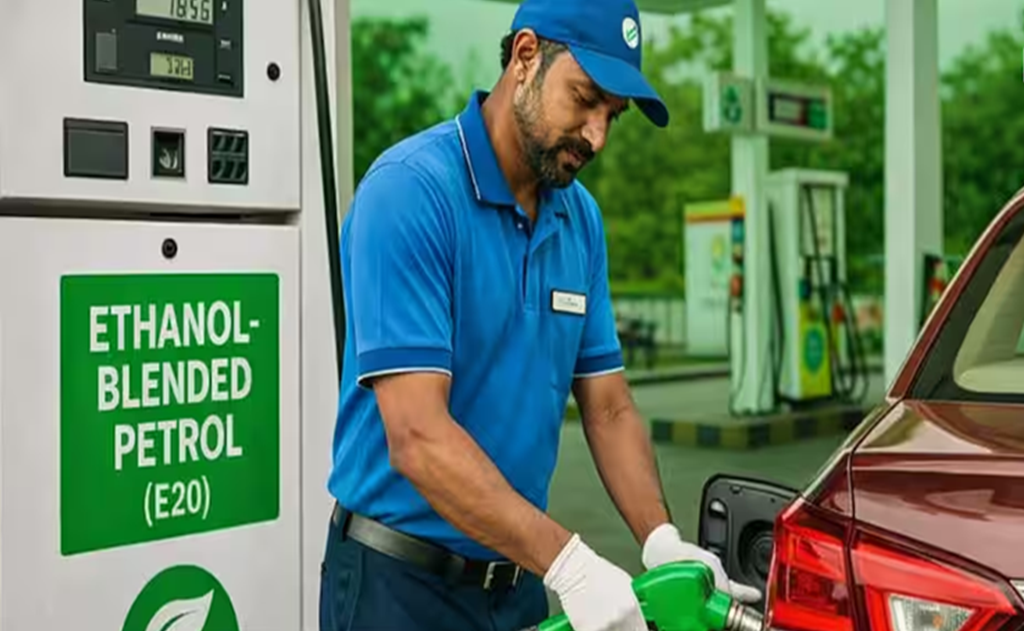
Ethanol Fuel Impact: Amid Middle East tensions and oil import dependence, the government is promoting E20 petrol, but complaints are being raised about reduced mileage and increased repair costs in old vehicles.
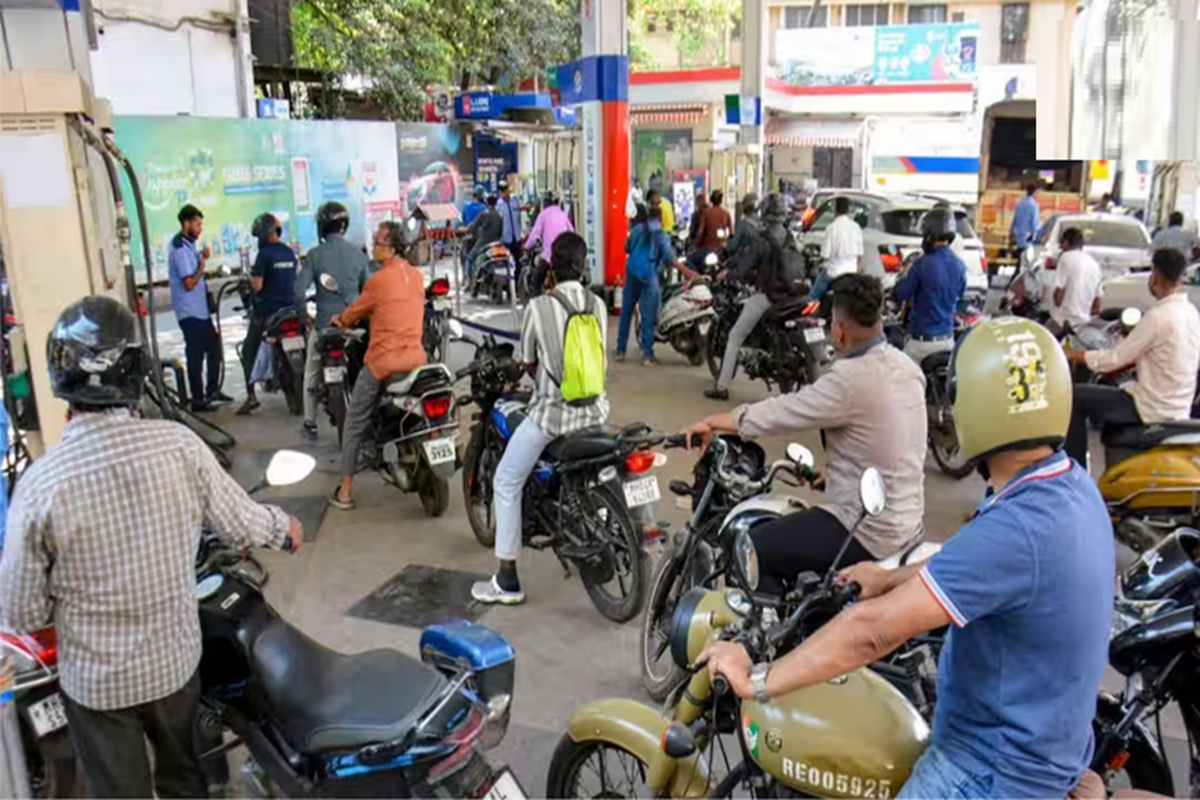
Is ethanol-containing petrol reducing vehicle mileage?
Ethanol Fuel Impact Report: The ongoing tension in the Middle East is affecting many countries. In India, it has affected the supply and prices of petrol and diesel. Petrol and diesel prices have seen several increases in recent days. In this context, the Indian government is rapidly promoting ethanol-blended petrol, or E20 petrol. The government believes this will help reduce crude oil imports, save foreign exchange, and benefit farmers. However, concerns are now mounting among many vehicle owners, especially those driving older petrol cars and bikes.
What did the survey reveal?
If we talk about the survey, a recent survey by LocalCircles has revealed that about 5 out of 10 owners of petrol vehicles purchased in 2022 or before say that the mileage of their vehicle has reduced after the introduction of E20 petrol. The opinions of more than 24 thousand vehicle owners were included in this survey. According to the survey, among those who complained about the reduction in mileage, about 25 percent said that the mileage of their vehicle had reduced by more than 20 percent. Whereas, 7 percent of people said that the mileage had reduced by 15 to 20 percent, and 13 percent people said that the mileage had reduced by 10 to 15 percent.
The difference between government claims and people's experiences
It's worth noting that these figures are also in the news because the government previously stated that E20 petrol would have very little impact on fuel mileage. It was estimated that mileage would only decrease by 1 to 6 percent, but now many users are reporting a significant difference in real life. Consequently, this issue is becoming a topic of constant discussion.
Why is there more impact on old vehicles?
In fact, many petrol vehicles purchased before 2023 were designed for low-ethanol blend petrol, such as E5 or E10. Therefore, using E20 petrol could have a greater impact on older engines. According to experts, ethanol has a lower energy density than regular petrol. This means that the vehicle may require more fuel to cover the same distance. Furthermore, prolonged use of ethanol can damage the rubber and plastic parts of older vehicles.
Complaints of rising repair costs
Additionally, the survey revealed complaints not only about fuel economy but also about vehicle breakdowns. Approximately 29 percent of respondents reported experiencing engine, fuel line, carburetor, or other component problems after using E20 petrol. However, these claims are based on the experiences of vehicle owners and are not scientific or government research. Nevertheless, this appears to be increasing public concern about E20 petrol.
Why is the government promoting E20?
India imports approximately 87 percent of its crude oil needs from abroad. Consequently, the government is considering ethanol blending as a long-term strategy to reduce oil imports, save foreign exchange, and benefit sugarcane and maize farmers. The government has achieved the E20 target ahead of schedule and is now working on future fuels with higher ethanol blends, such as E22, E25, E30, and in some cases, E85.
The biggest concern of users
The biggest concern for vehicle owners is that if mileage decreases, monthly petrol expenses will increase. Additionally, if vehicle maintenance costs increase, operating older petrol vehicles may become more expensive than before. However, the government considers ethanol blending essential for the country's energy security and economic strength. Meanwhile, users are now wondering how well their older vehicles will perform with increasing ethanol consumption in the future.