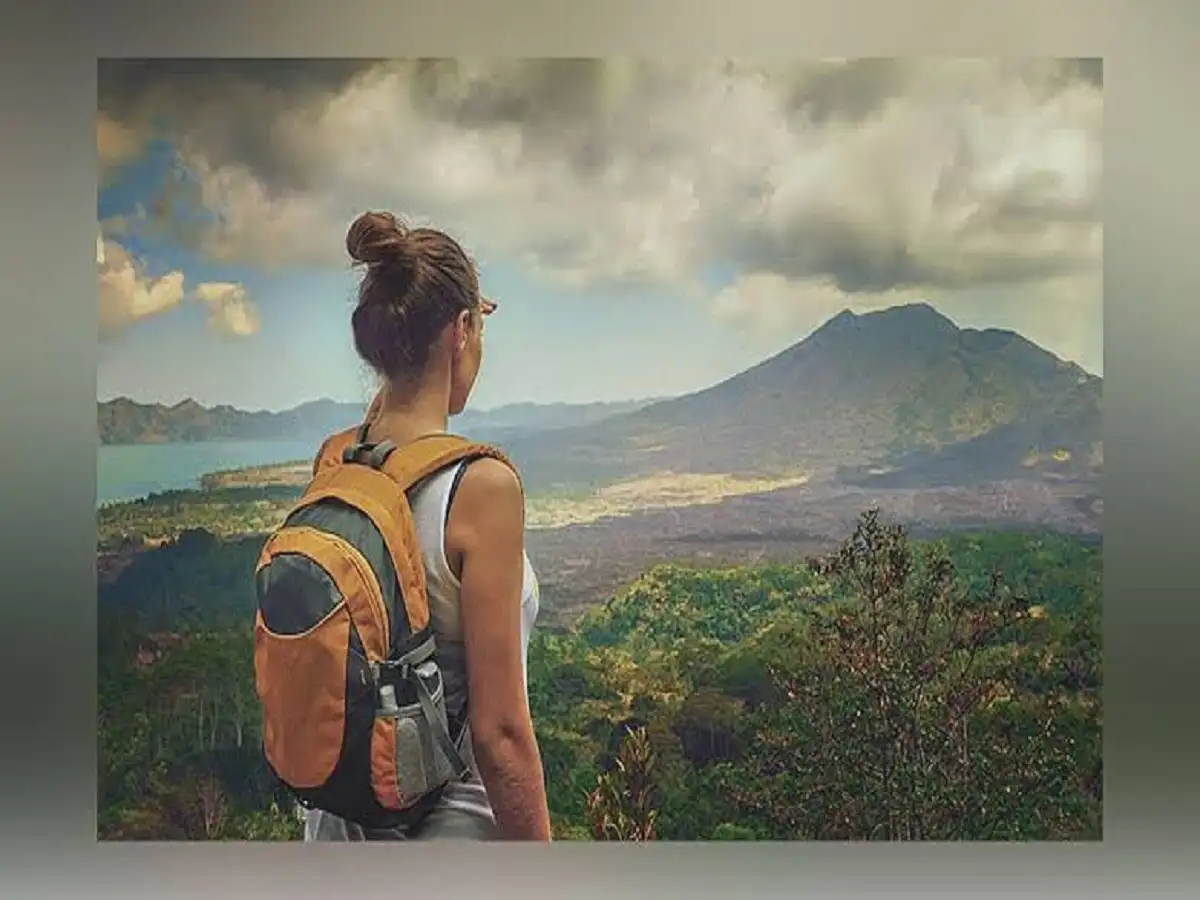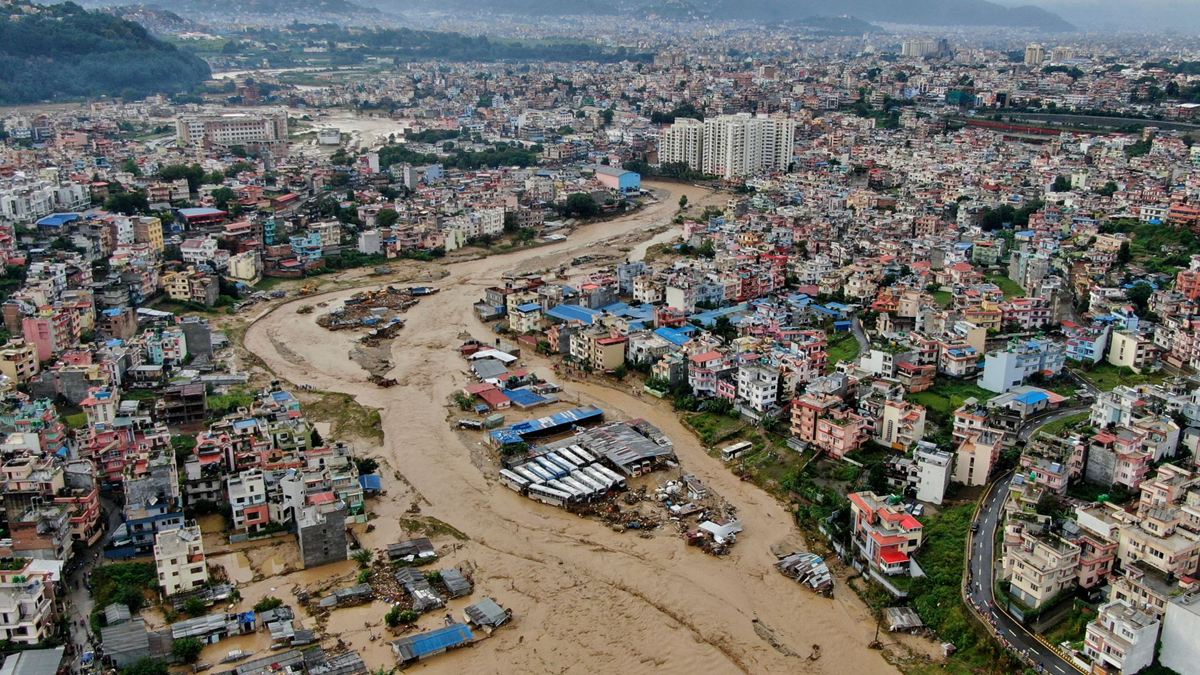
The presence of foreign tourists in the flood-affected areas of Nepal is not just due to adventure, but also due to the beauty of the Himalayas, religious pilgrimages, and the main routes leading to Kailash Mansarovar.
Nepal floods
The devastating floods in Nepal have captured global attention. A glacier burst near the Nepal-China border has caused flash floods and devastated many areas, devastating the area. A large number of locals, along with foreign tourists and pilgrims, have been affected. According to the Nepal Tourism Board, 517 foreign nationals are among the missing in Nepal. These include citizens from more than 30 countries, including India. The question then becomes why thousands of foreign tourists continue to visit these remote and mountainous areas.
The biggest attraction of the Himalayas
Nepal is home to the world's highest mountains and has long been a major tourist destination. In addition to Mount Everest, Langtang, Annapurna, Manaslu, and other mountainous regions attract trekkers from around the world. Trekking remains a significant part of the country's economy. According to Nepal government data, more than 1.147 million foreign tourists visited Nepal in 2024. The flood-prone Rasuwa district is also significant for this reason. Places like Syaphrubesi and Timure lie on the main routes leading to the Langtang Valley and the Tamang Heritage Trail. This area is also an important route for travelers to Tibet.
Main route of Kailash Mansarovar Yatra
Another major reason for the large presence of foreign travelers in this area is religious tourism. A large number of Indian and other foreign pilgrims travel to Kailash Mansarovar via Nepal. The route, located near the Nepal-China border, is a key stop on this journey. This is why, during the floods, the affected areas were not only populated by trekkers but also by pilgrims from various countries.
Nepal is not just about Everest.
Nepal's attraction for foreign tourists isn't just Everest. It offers a blend of snow-capped mountains, lakes, Buddhist monasteries, Hindu temples, forests, and rural culture. Many tourists also travel to small villages away from cities to experience homestays and local life. Religious and natural sites like Gosainkunda in the Rasuwa region also attract travelers. Therefore, the presence of tourists in flood-affected areas was not unusual. Under normal circumstances, these areas are part of Nepal's popular tourist corridors.