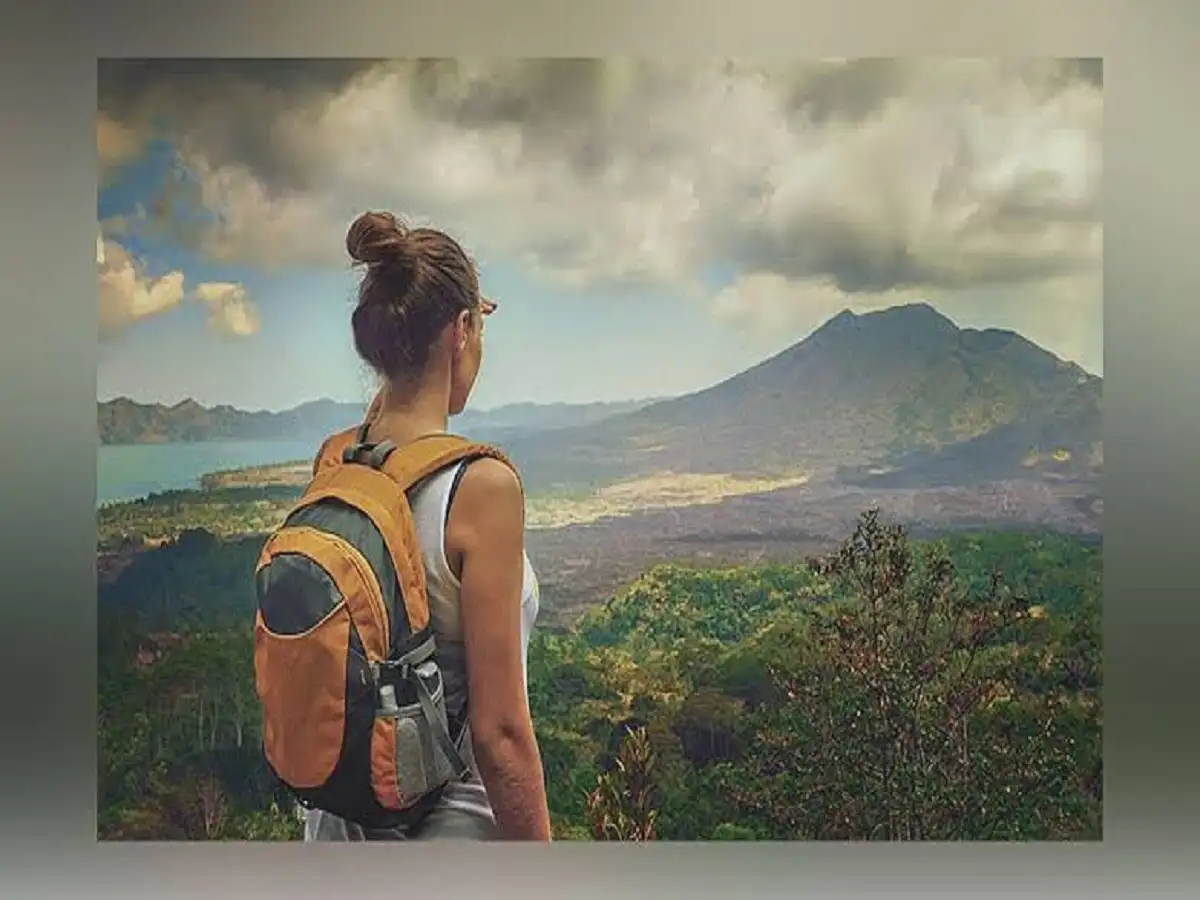
Travel Therapy Tips: Constant phone notifications, social media scrolling, long working hours and excessive screen time can leave many people feeling mentally exhausted. In such situations, taking a short break from routine and spending a few days in a peaceful natural setting can feel refreshing.
This idea is often informally described as “travel therapy” or a digital detox trip. It does not mean that travelling is a substitute for professional mental-health care. Instead, the term is commonly used to describe vacations designed around rest, nature, reduced screen exposure and a slower daily routine.
India has several destinations where visitors can enjoy mountains, forests, rivers, villages and quiet surroundings away from major urban centres. In some remote areas, mobile connectivity may also be inconsistent, which can naturally encourage travellers to spend less time online.
If your goal is to disconnect from reels, emails and constant notifications for a few days, destinations such as Tirthan Valley, Ziro, Chopta and Spiti can offer a very different experience from a conventional city holiday.
What Does Travel Therapy Actually Mean?
Travel therapy is not a formal medical treatment. In everyday usage, it generally refers to travelling in a way that helps a person temporarily step away from work pressure and repetitive routines.
A short trip may provide an opportunity to sleep better, spend time outdoors, walk more, interact with local communities and reduce unnecessary screen usage.
The biggest advantage is often the change of environment.
When people remain in the same work-home-phone routine for weeks or months, even a short break can make daily life feel less monotonous. Natural surroundings may also encourage slower activities such as hiking, reading, photography or simply sitting quietly without checking a phone every few minutes.
The objective is not necessarily to travel far. The real idea is to consciously reduce digital distractions and give yourself more unstructured time.
Tirthan Valley: A Quiet Himalayan Escape
Tirthan Valley in Himachal Pradesh is a popular choice for travellers looking for mountain scenery without the heavy crowds associated with some of the state's bigger tourist centres.
The valley is known for its river, forest landscapes, small villages and access to outdoor activities.
Instead of spending the entire day moving between crowded sightseeing points, travellers can take slow walks, sit beside the river or explore village surroundings.
Trekking is another popular activity in the region, and the nearby Great Himalayan National Park area attracts nature enthusiasts.
Mobile connectivity can vary depending on the village and exact location, so visitors should not assume they will have uninterrupted high-speed internet everywhere.
For someone seeking a digital break, however, that can be part of the appeal.
A short two- or three-day stay may be enough for travellers who simply want to step away from city noise and spend more time outdoors.
Ziro Valley: Nature, Culture and a Slower Pace
Located in Arunachal Pradesh, Ziro Valley offers a completely different landscape.
The region is known for green fields, surrounding hills and the distinctive culture of the local Apatani community. Its relatively relaxed atmosphere can be attractive to travellers who want an experience built around landscape and local life rather than shopping malls or nightlife.
Walking through villages and agricultural areas can itself become part of the trip.
Nearby natural attractions also make Ziro suitable for those interested in exploring forests and mountain scenery.
Network availability can vary in remote parts of Arunachal Pradesh, so visitors should prepare accordingly rather than depending entirely on mobile internet.
That makes advance planning useful. Important bookings, maps, identity documents and emergency contact information should ideally be saved offline before travelling.
For travellers trying to reduce screen time, Ziro can offer an environment where attention naturally shifts from the phone to the surroundings.
Chopta: Mountains, Trekking and a Break From City Noise
Chopta in Uttarakhand is particularly popular among travellers interested in trekking and Himalayan views.
The region is associated with routes towards Tungnath Temple and Chandrashila, making it appealing for both spiritual travellers and outdoor enthusiasts.
Compared with busy urban centres, the atmosphere is dominated by mountains, forests and open spaces.
Walking and trekking can keep visitors physically engaged for several hours without the constant temptation to check social media.
Mobile connectivity may be inconsistent in some stretches, especially farther from larger settlements.
Travellers should therefore download maps, keep some cash and share their itinerary with family before heading into remote trekking areas.
Chopta can work well for a short digital-detox break because the trip itself encourages people to spend more time moving through nature rather than sitting indoors with a screen.
Spiti Valley: A Remote Landscape for a Deeper Digital Break
For travellers looking for a more remote experience, Spiti Valley in Himachal Pradesh offers dramatic high-altitude landscapes, monasteries and small mountain settlements.
The scenery is very different from the green valleys commonly associated with the Himalayas. Spiti is known for its cold-desert terrain, rugged mountains and centuries-old Buddhist cultural influence.
Travelling through the region often involves long road journeys between small villages.
Mobile coverage can be limited or uneven in several areas, making Spiti one of the destinations where travellers may naturally spend less time online.
That said, Spiti requires more preparation than a casual weekend getaway.
High altitude, changing weather, long travel distances and limited services mean visitors should plan carefully. Travellers should not treat poor connectivity as an inconvenience to solve at all costs; it can instead become an opportunity to remain present and experience the journey more fully.
How to Turn a Regular Trip Into a Digital Detox
You do not need to travel somewhere with zero network coverage to take a break from your phone.
The more practical approach is to set your own boundaries.
Keep mobile data switched off for several hours each day, disable unnecessary app notifications and avoid checking work emails unless absolutely necessary.
Instead of documenting every moment for social media, try taking photographs and posting them after returning home.
Choose activities that naturally keep you away from your screen, such as trekking, cycling, reading, birdwatching or exploring local markets and villages.
It is also useful to inform family members in advance that you may not reply immediately. This removes the pressure to keep checking your phone.
Don't Completely Disconnect From Safety
A digital detox should not mean becoming unreachable in an emergency.
Remote mountain travel requires sensible precautions.
Keep important emergency numbers accessible, download offline maps and save hotel or homestay details before leaving areas with reliable connectivity.
Carry a power bank, keep identification documents available and tell someone your expected route if you are trekking or travelling through isolated areas.
Weather conditions in the mountains can also change quickly, so travellers should check forecasts and local advisories before starting long journeys.
Can Travelling Really Improve Your Mood?
A refreshing trip can help some people feel calmer, energised or mentally rested simply because it creates distance from work pressure and repetitive routines.
Time outdoors, physical activity, adequate sleep and reduced screen exposure can all contribute to a more restorative holiday.
But the term “travel therapy” should be understood carefully.
Travelling is not a replacement for counselling, psychological treatment or medical care for someone experiencing persistent anxiety, depression or other mental-health difficulties.
Think of it as a wellness break rather than a medical solution.
Final Takeaway
A digital-detox trip does not have to involve luxury hotels or an expensive itinerary. The most important element is creating genuine distance from the habits that keep you constantly connected.
Tirthan Valley offers rivers and mountain villages, Ziro combines scenic landscapes with local culture, Chopta provides trekking and Himalayan surroundings, while Spiti offers a more remote high-altitude experience.
Whichever destination you choose, the goal can remain simple: scroll less, walk more, notice your surroundings and give yourself permission to be temporarily unavailable.
Sometimes the most relaxing part of travelling is not where you go, but how much of your everyday digital noise you leave behind.