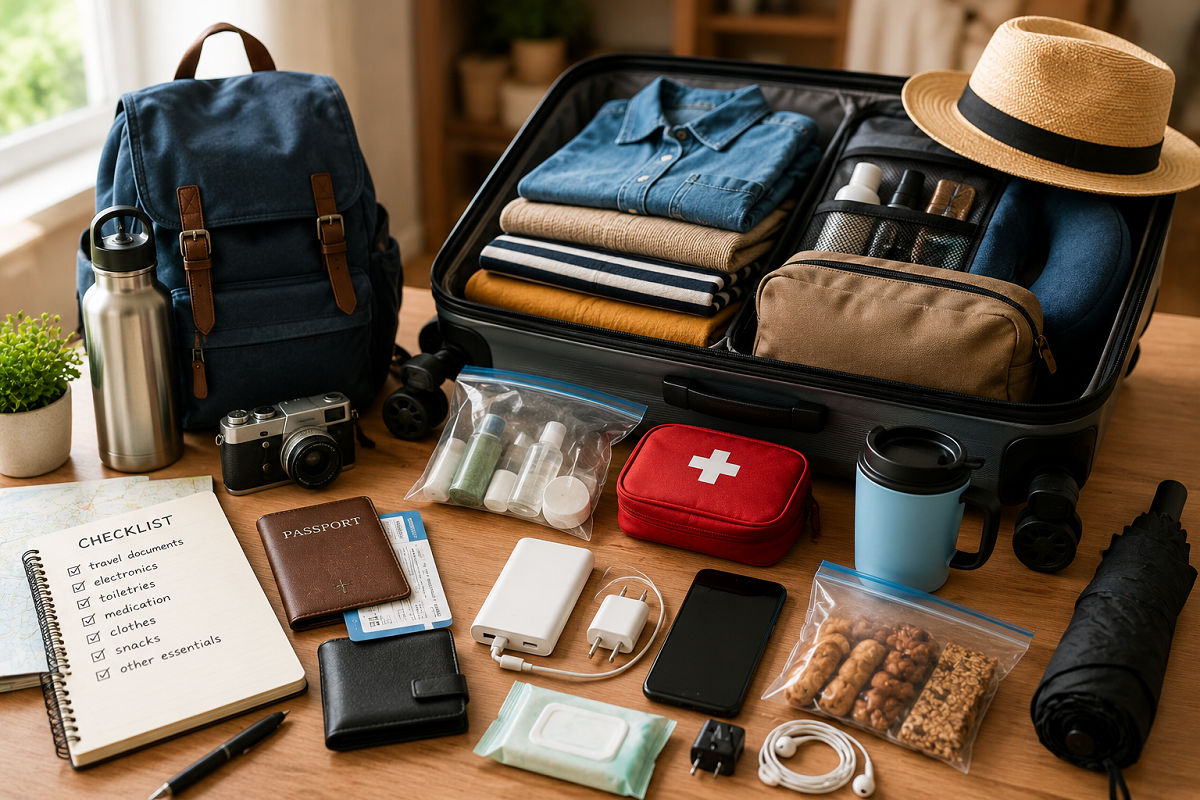
Planning a trip often begins with choosing a destination, booking tickets and deciding what clothes to pack. However, some of the smallest items in your luggage can make the biggest difference once the journey begins.
Imagine reaching a hotel and realizing your phone charger is still at home, getting caught in unexpected rain without an umbrella, or being asked for an important document that you cannot immediately find. These situations may sound minor, but they can create unnecessary stress and disrupt an otherwise enjoyable journey.
Smart packing does not mean carrying a heavy suitcase filled with items you may never use. Instead, it means selecting essentials according to your destination, weather, mode of transport and length of stay.
Here are some important travel essentials worth checking before you leave home.
Keep Your ID and Travel Documents Easily Accessible
Identification documents should be among the first things on your travel checklist.
Depending on the journey, you may need an accepted ID for flights, train travel, hotel check-in, vehicle rental or other services. For international travel, a valid passport and any required visa or entry documents are particularly important.
Avoid placing every important document deep inside your main suitcase. Keep documents that may be required during transit in a secure but easily accessible place.
It can also be useful to keep secure digital copies of important documents. However, relying exclusively on a phone may create problems if the device is lost, damaged or runs out of battery.
For longer or international trips, consider keeping photocopies of critical documents separately from the originals.
Phone, Charger and Power Bank Should Be Priorities
A smartphone has become an essential travel companion.
It may contain your tickets, boarding information, hotel reservation, navigation apps, payment services and emergency contacts. Losing access to your phone because of a dead battery can therefore cause more inconvenience than simply being unable to make a call.
Pack the correct charging adapter and cable before leaving.
A fully charged power bank can also be valuable during long train or bus journeys, airport delays, road trips and visits to locations where charging points are not easily available.
If travelling internationally, check whether your destination uses a different electrical socket and whether you need a compatible travel adapter.
Carry a Small Medical and First-Aid Kit
Minor health issues can appear without warning during a journey.
A compact first-aid kit containing basic items such as adhesive bandages, antiseptic supplies and other personally appropriate essentials can be useful for minor cuts or injuries.
If you regularly take prescription medicines, carry an adequate supply for the duration of the trip, with some extra where appropriate in case of unexpected delays.
Keeping prescription medicines in their original labelled packaging can make them easier to identify. Travellers taking prescription medication abroad should also check the destination country's rules, as restrictions can differ.
If necessary, carry a copy of the prescription or supporting medical documentation.
Pack Water and Suitable Snacks for the Journey
Access to drinking water and food cannot always be guaranteed when travelling.
Traffic jams, train delays, long queues or unexpected route changes can leave travellers waiting much longer than planned.
Carrying a reusable water bottle can help you remain prepared, although passengers travelling by air should follow applicable airport security rules regarding liquids.
Light, travel-friendly snacks can also be useful. Choose items that are easy to carry and unlikely to spoil quickly, particularly when travelling for several hours.
Keep Some Payment Options Separate
Digital payments have made travelling more convenient, but it may not be wise to depend on a single payment method.
Network problems, a discharged phone, payment-service outages or a merchant that does not accept your preferred method could leave you temporarily unable to pay.
Depending on your destination, carrying a reasonable amount of cash along with cards or digital payment options can provide useful backup.
Avoid keeping all your cash, cards and important documents in exactly the same place. Separating them can reduce the inconvenience if a wallet or bag is misplaced.
A Small Umbrella Can Save the Day
Weather can change quickly, particularly during the monsoon season or when travelling between locations with different climates.
A compact umbrella or lightweight rain protection takes relatively little space and can prevent considerable inconvenience during an unexpected shower.
Before packing, check the weather forecast for your destination. This can help you decide whether you need rainwear, warm clothing, sun protection or other weather-specific items.
Sanitizer, Tissues and Personal Hygiene Items Come in Handy
Small hygiene products are particularly useful when using public transport or spending long hours away from your accommodation.
Tissues, hand sanitizer, wet wipes where appropriate and a handkerchief take up little space but can be useful throughout the day.
Personal hygiene requirements vary, so create a small pouch containing the items you are likely to need while in transit rather than placing everything inside checked luggage.
Earphones and Entertainment Can Make Long Journeys Easier
Long waiting periods can be tiring, especially during delayed flights or extended train and bus journeys.
Earphones or headphones allow you to listen to music, podcasts or downloaded entertainment without disturbing other passengers.
Downloading important content in advance can be helpful when internet connectivity is unreliable.
A book or e-reader is another useful option for travellers who prefer to spend less time looking at a screen.
Keep a Pen and Small Note of Important Information
A simple pen is one of those items people often forget until they suddenly need one.
It can be useful for completing forms, writing down an address or making quick notes.
Consider keeping important information such as your hotel address, emergency contact numbers and essential booking details somewhere accessible offline as well.
This can provide a useful backup if your phone stops working.
Choose Your Essentials According to the Trip
There is no single packing list that works perfectly for every traveller.
A weekend road trip requires different preparation from an international flight. Similarly, travelling to a hill station in winter requires different essentials from visiting a coastal destination during summer.
Before packing, consider four factors: where you are going, how long you will stay, how you are travelling and what weather you are likely to encounter.
These questions can help you avoid both underpacking and carrying unnecessary luggage.
A Few Minutes of Planning Can Prevent Travel Stress
Good travel preparation is less about carrying more and more about carrying what matters.
Identification and travel documents, a charged phone, charger, power bank, essential medicines, water, payment options and a few practical everyday items can help you handle many common travel situations.
Before locking the door and leaving home, spend a few minutes reviewing your essentials instead of checking only clothes and footwear.
That final check could save you from searching for a charger in an unfamiliar city, struggling to access an important document or discovering that something essential is hundreds of kilometres away at home. A thoughtfully packed bag can make the entire journey smoother, safer and far less stressful.