A busy lifestyle can make it difficult to pay attention to nutrition, but what you eat plays an important role in maintaining muscle strength. Strong muscles are not just about looking fit—they support movement, balance, posture, mobility and everyday physical activities.
Muscle mass and strength can gradually decline with age, particularly when physical activity is limited. While strength training is one of the most effective ways to maintain muscle, nutrition is equally important.
A balanced diet containing enough protein, carbohydrates, healthy fats, vitamins and minerals can support muscle maintenance and recovery. Here are some foods that can be included as part of a muscle-friendly diet.
1. Eggs, Milk and Dairy Products
Eggs are a convenient source of high-quality protein and provide essential amino acids needed by the body.
Milk and dairy products such as curd, Greek yogurt and paneer can also contribute meaningful amounts of protein.
Including these foods in a balanced diet can help meet daily protein requirements, particularly when combined with regular resistance or strength exercises.
2. Chicken and Fish
For people who eat non-vegetarian foods, chicken and fish can be excellent sources of high-quality protein.
Protein provides amino acids that the body uses to maintain and repair muscle tissue following physical activity.
Fish can provide additional nutrients as well. Fatty varieties such as salmon and sardines contain omega-3 fatty acids, while different fish varieties can contribute nutrients such as vitamin D, vitamin B12 and minerals.
Preparation matters too. Grilling, baking, steaming or cooking with moderate amounts of oil can be preferable to frequent deep-frying.
3. Dal, Rajma, Chickpeas and Soy
Vegetarians have plenty of protein-rich options.
Common Indian foods such as dal, rajma, chickpeas and other pulses provide plant protein along with fibre and several micronutrients.
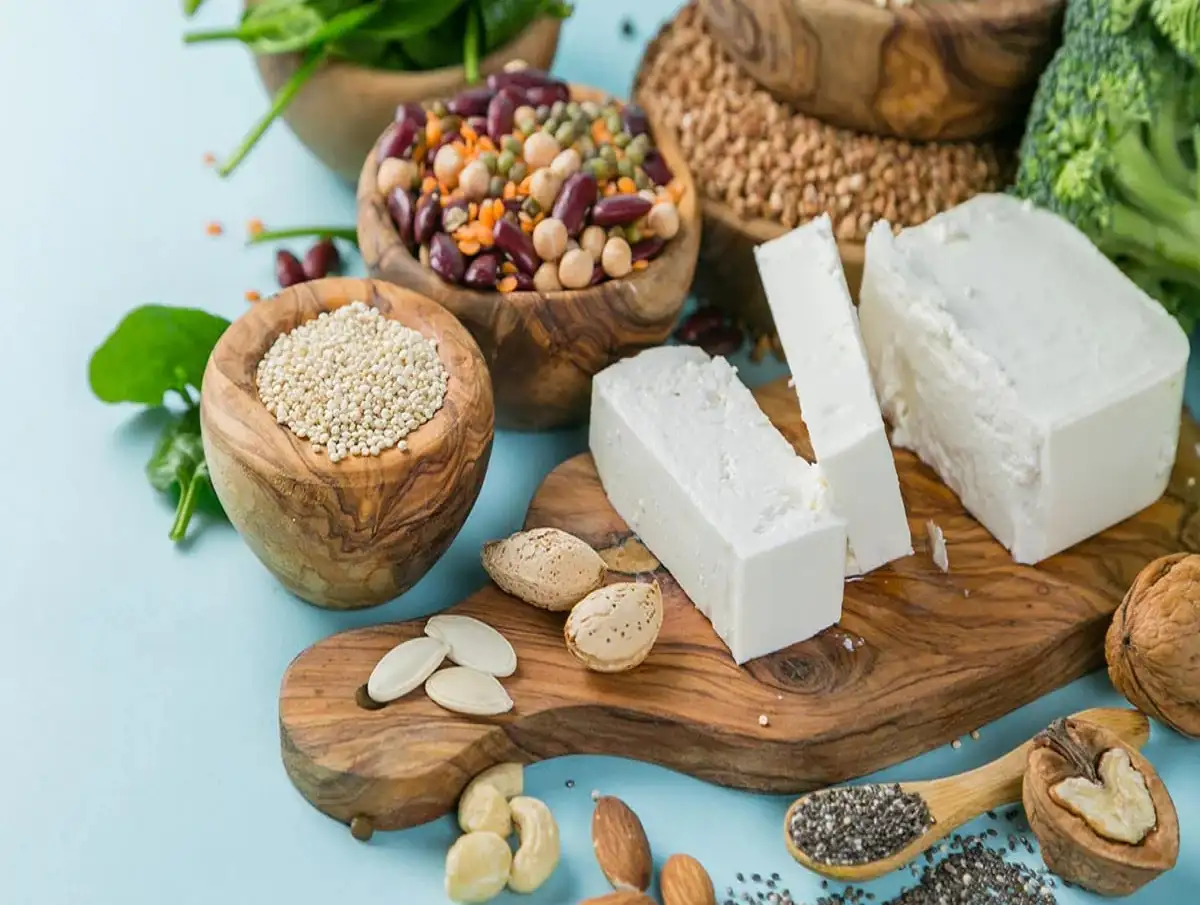
Soy-based foods such as tofu and soybeans can further increase dietary protein intake.
Combining a variety of pulses, grains, dairy or soy foods throughout the day can help vegetarians meet their protein needs without depending on a single food source.
4. Nuts and Seeds
Almonds, peanuts, walnuts and various seeds can be nutritious additions to the daily diet.
They provide a combination of protein, healthy fats, fibre and minerals. Pumpkin seeds, sesame seeds, chia seeds and flaxseeds are other options that can be included in meals or snacks.
However, nuts and seeds are calorie-dense, so portion size matters—especially for people trying to manage their body weight.
5. Whole Grains for Energy
Muscle health isn't only about protein. Your body also needs sufficient energy to exercise effectively.
Whole-grain foods such as oats, brown rice, whole wheat and quinoa provide carbohydrates that can help fuel physical activity.
Carbohydrates replenish glycogen, an important energy source used by muscles during exercise.
A diet that is unnecessarily low in calories or carbohydrates may make it more difficult to train effectively and recover properly.
6. Don't Ignore Fruits and Vegetables
Fruits and vegetables may not be the first foods people associate with muscle building, but they remain an important part of a balanced diet.
They provide vitamins, minerals, fibre and antioxidant compounds that support overall health and normal body functions.
Bananas, oranges, berries, guava, leafy vegetables, carrots, tomatoes, broccoli and other seasonal produce can all be incorporated into meals.
Instead of focusing on one supposedly "super" fruit or vegetable, eating a variety of produce is generally a better approach.
Protein Alone Won't Build Strong Muscles
Simply eating protein-rich foods is not enough to substantially improve muscle strength.
Resistance training or strength exercise provides the stimulus that encourages muscles to adapt, while adequate nutrition supports recovery and maintenance.
Activities such as weight training, resistance-band exercises, squats, push-ups and other appropriately designed strength exercises can help.
Beginners, older adults and people with existing health concerns should choose exercise intensity according to their fitness level and seek professional guidance when necessary.
Sleep and Hydration Matter Too
Recovery is another important part of maintaining muscle health.
Adequate sleep gives the body time to recover from exercise, while proper hydration supports normal physical performance and body functions.
Rather than relying on expensive supplements or a single high-protein food, focus on the combination of balanced nutrition, regular strength training, sufficient sleep, hydration and recovery.
Protein requirements can vary considerably depending on age, body weight, activity level and health conditions. Anyone planning a major dietary change or dealing with significant muscle loss should consult a qualified doctor or registered dietitian for personalised advice.