With fuel costs taking up a significant part of a vehicle owner’s monthly expenses, getting the best possible mileage has become increasingly important. Drivers often follow different tricks to reduce fuel consumption, but not every commonly repeated claim is accurate.
One such belief is that filling a petrol tank completely can significantly reduce a vehicle’s mileage. The logic sounds reasonable: more petrol means more weight, and additional weight could make the engine work harder. But does a full fuel tank really make such a noticeable difference to fuel economy? Here is what vehicle owners should understand.
Does a Full Petrol Tank Really Lower Mileage?
Filling the fuel tank normally does add some weight to the vehicle. However, under regular driving conditions, the impact on mileage is generally very small.
Depending on the size of the tank, the fuel in a fully filled car could weigh roughly 30 to 35 kg. While this is additional weight, it is relatively minor when compared with the overall weight of a typical passenger vehicle.
As a result, simply filling the tank to its normal capacity is unlikely to cause a major or easily noticeable drop in mileage. Vehicle load can affect fuel consumption, but the difference created by the fuel itself is generally modest.
Therefore, the widespread idea that a vehicle suddenly becomes significantly less fuel-efficient simply because its tank is full should not be treated as a general rule.
Avoid Topping Up After the Fuel Nozzle Automatically Stops
There is an important difference between filling the tank normally and repeatedly trying to squeeze in more petrol after the pump nozzle has automatically stopped.
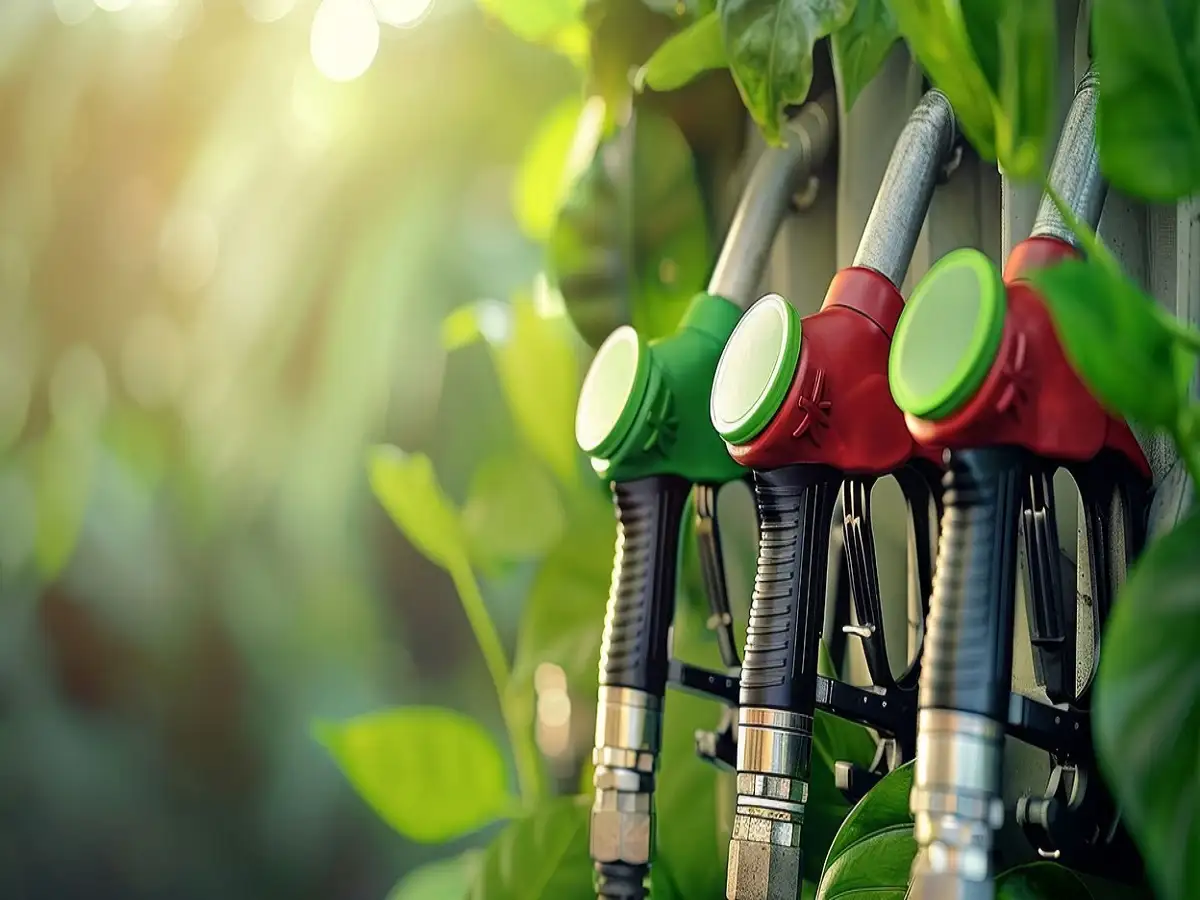
At a fuel station, the nozzle is designed to stop dispensing fuel automatically once it detects that the tank has reached an appropriate filling level. Drivers sometimes ask attendants to continue adding petrol after this point to reach a round figure or get the tank as full as possible.
This practice is best avoided.
A vehicle's fuel system needs some room for fuel expansion and vapour management. Attempting to add more petrol after the automatic shut-off may increase the possibility of fuel spilling or interfering with the vehicle's vapour-management system.
The issue can become more relevant during hot weather because fuel can expand as temperatures rise. For this reason, stopping when the nozzle automatically clicks off is generally a better habit than repeatedly topping up the tank.
Driving With an Almost Empty Tank Isn't Ideal Either
Keeping the tank overfilled isn't recommended, but repeatedly driving until the fuel level becomes extremely low isn't a great habit either.
In many modern vehicles, the electric fuel pump is located inside the fuel tank, where fuel helps with cooling and normal operation. Frequently operating a vehicle with very little fuel may not be ideal for the pump over the long term.
Another commonly discussed concern is contamination inside an ageing fuel tank. Keeping sufficient fuel in the vehicle and following the manufacturer's maintenance recommendations can help reduce avoidable fuel-system problems.
Drivers therefore don't need to choose between an overflowing tank and an almost empty one. Refuelling at sensible intervals is the simpler approach.
What Actually Has a Bigger Impact on Mileage?
Rather than worrying excessively about whether the tank is full, motorists should pay more attention to factors that can have a greater influence on real-world fuel economy.
Maintaining the tyre pressure recommended by the vehicle manufacturer is particularly important. Underinflated tyres can increase rolling resistance and make the engine work harder.
Driving behaviour also matters. Frequent rapid acceleration followed by hard braking can consume more fuel than maintaining a smooth and predictable driving style.
Regular vehicle servicing is equally important. Engine condition, filters, tyres and other mechanical components can all influence efficiency. Carrying unnecessary heavy items in the vehicle also adds weight that serves no useful purpose.
Long periods of unnecessary idling should also be avoided where practical and safe, as the engine continues consuming fuel even when the vehicle is not moving.
Simple Ways to Improve Fuel Efficiency
Drivers looking to get better mileage can follow a few straightforward habits:
- Stop refuelling when the pump nozzle automatically shuts off instead of repeatedly topping up.
- Avoid regularly allowing the tank to reach an extremely low fuel level.
- Maintain tyre pressure according to the manufacturer's recommendation.
- Get the vehicle serviced at the recommended intervals.
- Accelerate smoothly and avoid unnecessary hard braking.
- Remove unnecessary heavy items from the boot or storage areas.
- Avoid prolonged and unnecessary engine idling where appropriate.
The Bottom Line
A normally filled fuel tank does increase a vehicle's weight slightly, but it is unlikely to cause the dramatic mileage reduction that some motorists fear. The additional weight of the fuel is relatively small compared with the vehicle's total weight.
The more important concern is how the vehicle is refuelled and driven. Trying to force additional petrol into the tank after the nozzle automatically stops is unnecessary, while repeatedly running the vehicle with almost no fuel is also best avoided.
For motorists who want better mileage, smooth driving, correct tyre pressure, regular servicing, sensible refuelling and avoiding unnecessary weight are likely to matter far more than whether the petrol tank happens to be full.