LIFESTYLE
Kitchen Slab Cleaning: Is your kitchen slab sticky even after cleaning? Note this 2-minute hack.
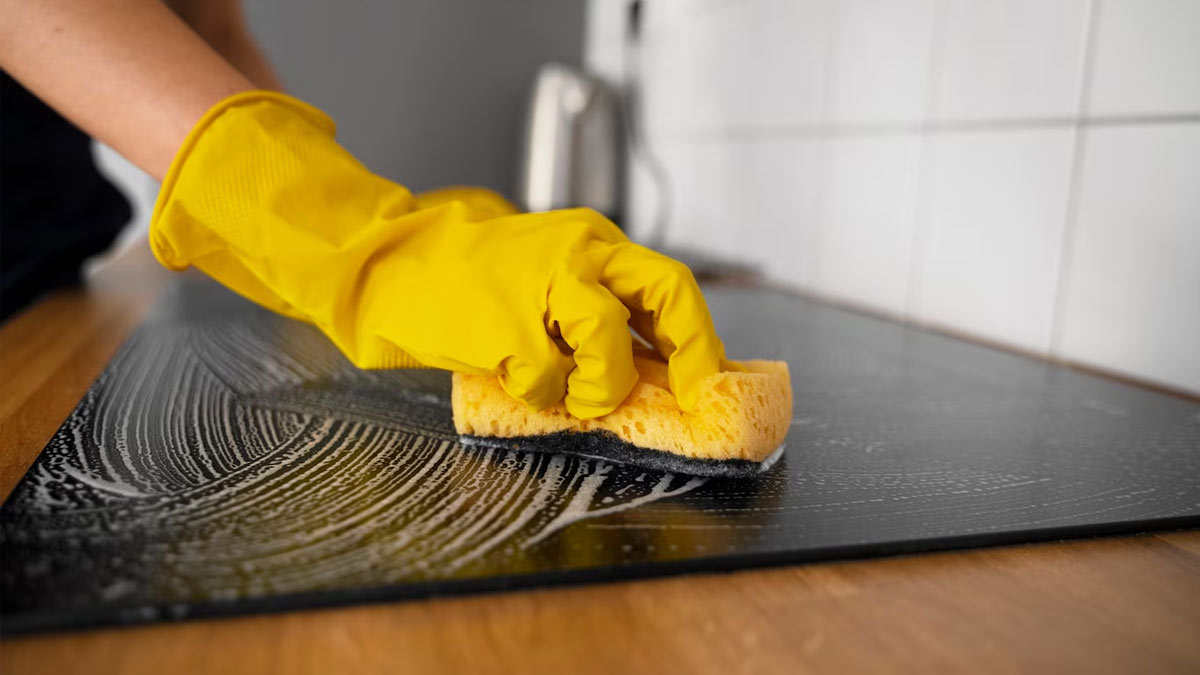
Mistakes While Cleaning Kitchen Slabs: During cooking, oil, grease, food splatters, dust, and other contaminants accumulate on kitchen surfaces. Cleaners are used to remove these.
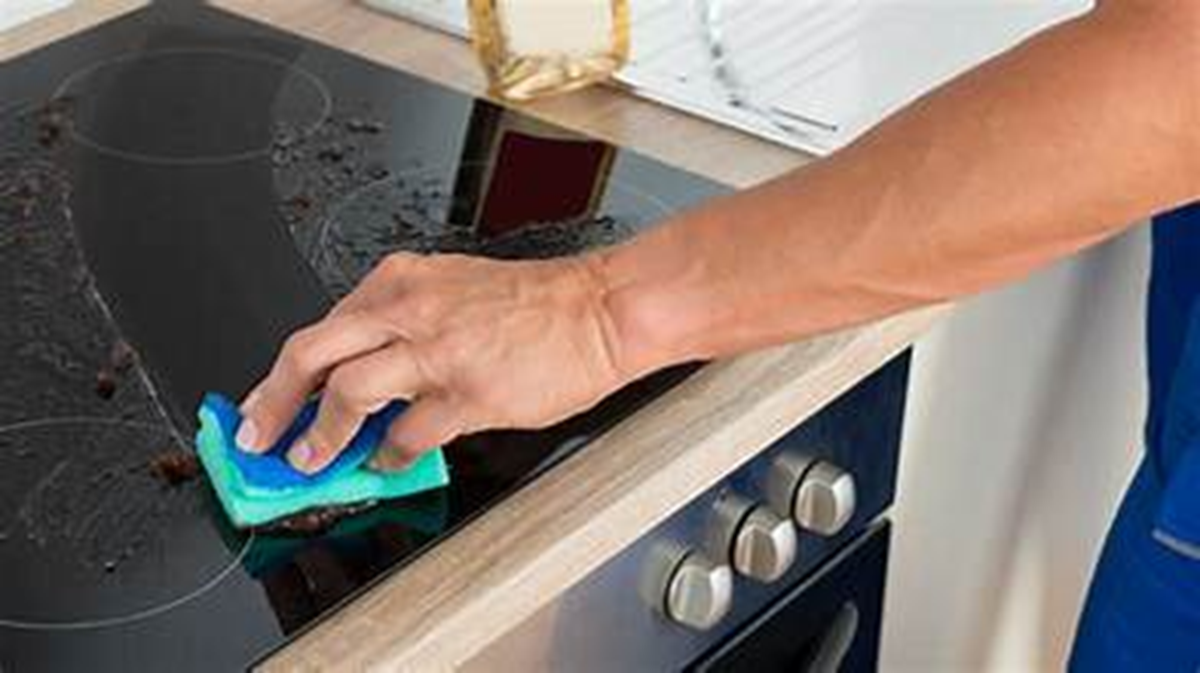
Why does the kitchen slab remain sticky even after cleaning?
How to Clean Greasy Kitchen Countertops Safely: When you wipe down your kitchen countertop after cleaning it, and the surface still feels sticky, it's often a sign that the countertop wasn't cleaned properly. Many people resort to using more cleaner or soap. However, simply adding more cleaner isn't always the answer. Sometimes, the problem isn't the amount of cleaner, but rather the method used.
The slab may appear shiny and clean, but it may still be coated with a thin film of cleaning products, oils, or minerals from the water. This is why your hands may feel sticky even after cleaning.
Why does the slab feel sticky after wiping it?
Kitchen surfaces accumulate oil, grease, food splatters, dust, and other contaminants during cooking. Cleaners are used to remove these. However, if excessive cleaner is applied and not thoroughly wiped off, some of it may remain on the surface. Many cleaning products contain ingredients that help loosen dirt and oil. However, if the residue isn't completely removed after cleaning, a thin film may form on the slab, which is what causes the surface to feel sticky.
Why is adding more cleaner not the right way?
If the slab is particularly dirty, it's tempting to apply more cleaner. However, normal everyday cleaning doesn't require a lot of product. Applying too much cleaner can cause the cloth to absorb it completely, spreading it across the surface. Especially if you wipe the cleaner immediately with a dry cloth after spraying, some of both dirt and cleaner may remain on the surface. So, next time, instead of increasing the amount, try changing your cleaning method.
Allow the oil and grease to loosen first
If there's oil or grease on your kitchen counter, let the cleaner sit for a while instead of wiping it off immediately after applying it. This helps loosen the grease, making it easier to remove with a cloth rather than spreading it all over. However, the cleaner should not be allowed to dry on the surface. It's best to apply a small amount of the product as needed and then wipe it off with a clean cloth after some time.
Use a clean damp cloth instead of a dry cloth
The type of cloth used for cleaning also makes a significant difference. A cloth that is too dry can simply spread the cleaner and grease around. A clean, slightly damp microfiber cloth can be more effective at lifting dirt and cleaner residue from the surface. If the cloth is already covered in oil or dirt, using it to clean the slab can make the problem worse. So, rinse the cloth frequently with clean water.
Wipe again after cleaning.
If a layer of cleaner has already accumulated on the slab, it may not be completely removed with just one wipe. In this case, after cleaning, wipe the slab again with a clean, damp cloth. This can help remove any remaining cleaner residue and loosened dirt. Afterward, wipe the surface with a dry, clean cloth. This will also reduce water marks and moisture.
Hard water can also be a reason.
If stickiness is particularly noticeable around sinks, faucets, or other areas with water, minerals in the water may be the culprit. These can leave a film on the surface after the water dries and, combined with cleaner residue, can make the slab look dull or sticky. It's best to dry these areas with a clean cloth after cleaning rather than letting the water dry on its own.
Avoid mixing different cleaners each time.
Using different cleaning products at once in the quest for quick cleaning is not a good idea. This can leave residue on the surface, and some products may react with each other. Use the appropriate cleaner and follow its usage instructions. Not every kitchen slab material is the same.