NEWS
Smart Meter Installed and Electricity Bill Increased? Know How Billing Works, Benefits and Drawbacks
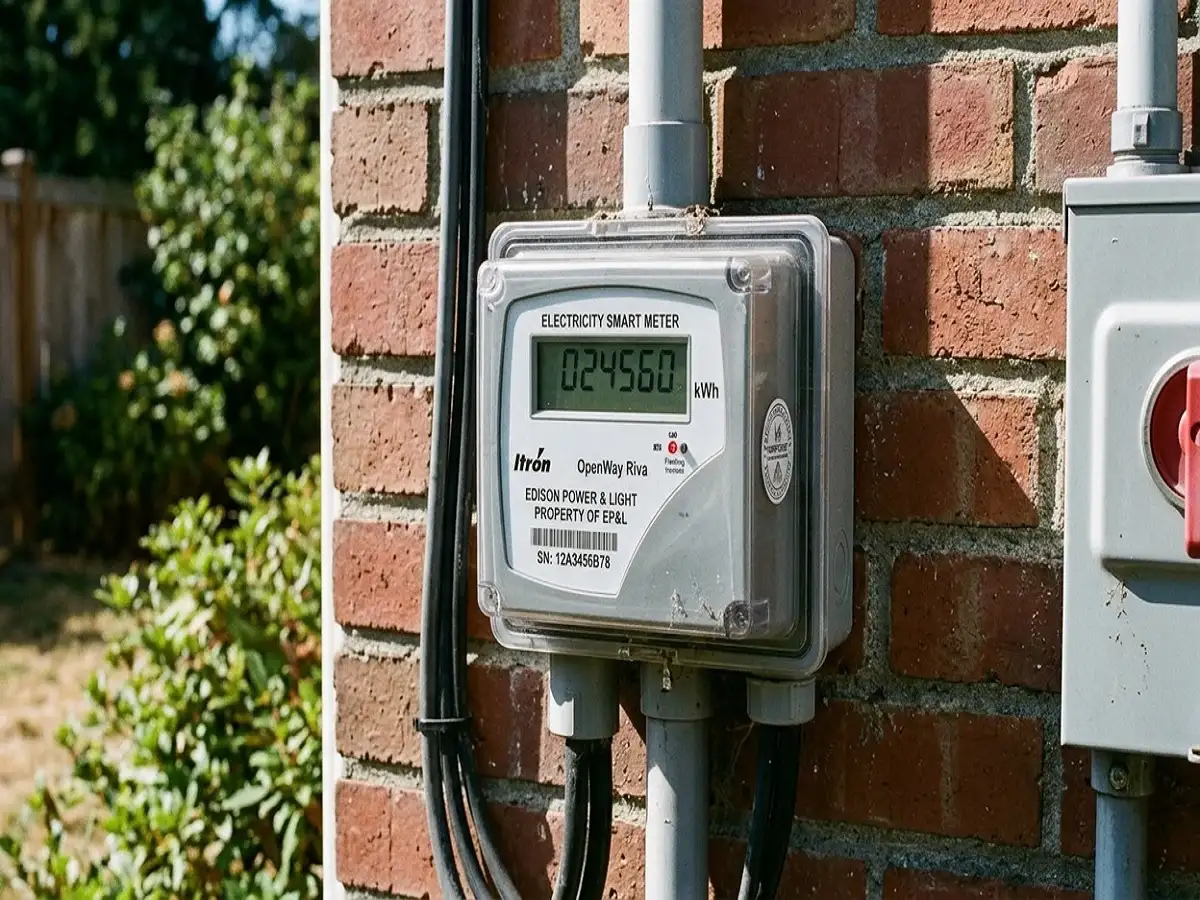
Smart electricity meters are gradually replacing conventional meters in many parts of India. As the transition expands, consumers often have one major concern: Will installing a smart meter automatically increase the electricity bill?
The simple answer is that changing the meter itself does not automatically increase the electricity tariff. A smart meter primarily changes the way electricity consumption is measured, recorded and communicated to the electricity distribution company.
The final amount payable by a consumer continues to depend on factors such as electricity consumption, the applicable tariff structure, fixed charges and other authorised fees. However, because smart meters can record consumption more regularly and digitally, some consumers may notice differences compared with bills that were previously based on estimated or less frequent meter readings.
Understanding how the system works can help consumers identify why a bill has changed.
How Is Your Electricity Bill Calculated With a Smart Meter?
A smart meter digitally measures electricity consumed at a home, shop or other premises. Unlike a conventional meter that may require a person to physically record the reading, smart meters can generally transmit consumption information remotely through the supporting communication infrastructure.
The amount you eventually pay can depend on several factors, including:
- Number of electricity units consumed
- Applicable tariff or slab in your area
- Fixed charges and other authorised fees
- Whether the connection operates on a prepaid or postpaid system
- Rules of the electricity distribution company
- Tariff orders and regulations applicable in the state
Therefore, the smart meter is primarily a measurement and communication device. It does not independently determine what electricity should cost.
Does a Smart Meter Automatically Increase Your Bill?
No. Installing a smart meter does not, by itself, automatically raise the per-unit electricity tariff.
The applicable tariff is determined under the relevant regulatory framework rather than by the meter.
However, there is an important reason why some households may feel that their electricity bill has increased after a smart meter is installed.
A smart meter can provide more regular consumption data. If an older billing system involved estimated readings, delayed readings or subsequent adjustments, moving to more frequent actual-consumption data can result in bills that look different.
Changes in household consumption can also be responsible. Increased use of air conditioners, geysers, heaters, refrigerators, water pumps or other high-consumption appliances can push total units higher and, where slab-based tariffs apply, potentially affect the amount payable.
That is why consumers should compare units consumed, not just the final rupee amount, when investigating an unexpected bill.
1. Meter Readings Can Be Collected Remotely
One of the major advantages of a smart meter is digital communication of consumption information.
Depending on the electricity distribution system, readings can be obtained remotely, reducing the need for a meter reader to visit the premises every billing cycle.
This can make the billing process more automated and may reduce some problems associated with manual meter reading.
2. Consumers Can Monitor Electricity Consumption More Closely
Smart meters can potentially provide consumers with better visibility into their electricity use.
Where the distribution company provides an app, portal or other monitoring facility, consumers may be able to check consumption more frequently rather than waiting until the monthly bill arrives.
This information can help households identify periods of unusually high electricity use.
For example, if consumption rises substantially during a particular week, consumers can examine whether increased use of cooling, heating or another appliance could be responsible.
Better visibility does not automatically reduce electricity consumption, but it can give households more information to manage it.
3. Billing Can Become More Data-Based
Traditional billing systems may occasionally involve estimated readings when a physical reading cannot be obtained.
Smart metering systems are designed to provide more frequent digital consumption information, which can support billing based more closely on recorded usage.
However, consumers should still examine their bills. Smart technology does not mean billing disputes or technical issues can never occur.
If the number of units appears unusually high, consumers can compare the meter data with previous consumption patterns and approach their electricity distribution company through its official grievance mechanism if necessary.
4. Prepaid Smart Meters Allow Recharge-Based Electricity Use
Some smart meters operate under a prepaid system.
The basic concept is similar to prepaid mobile service: consumers add money to their electricity account and the available balance is adjusted according to electricity usage and applicable charges.
Depending on the distribution company and local rules, consumers may be able to recharge through digital payment options and monitor the remaining balance.
Some systems may also offer features such as alerts or emergency-credit arrangements. These facilities are not necessarily identical everywhere, so consumers should check the rules of their local electricity provider.
What Are the Possible Drawbacks of Smart Meters?
Smart meters also bring practical challenges, particularly for consumers moving to prepaid electricity for the first time.
Prepaid users may need to monitor their balance more regularly. If the balance becomes insufficient, electricity supply can be affected according to the applicable rules and safeguards.
Consumers unfamiliar with mobile apps, online recharges or digital consumption monitoring may also require time to become comfortable with the new system.
Technical or communication issues can occasionally create confusion as well. In such situations, consumers should use the electricity distribution company's official complaint channels rather than relying on unofficial agents.
Prepaid vs Postpaid Smart Meter: What's the Difference?
The distinction between a smart meter and a prepaid connection is important because the two terms do not mean exactly the same thing.
With a postpaid smart meter, electricity is consumed first and a bill is subsequently generated according to recorded consumption and applicable charges.
With a prepaid smart meter, consumers generally maintain an advance balance from which charges are deducted according to consumption and applicable rules.
Therefore, when a new smart meter is installed, consumers should confirm whether their electricity account remains postpaid or has been moved to a prepaid arrangement.
What Should You Check If Your Bill Suddenly Increases?
If your electricity expense rises after smart-meter installation, do not assume immediately that the meter itself has increased the tariff.
First compare the number of units consumed with previous billing periods. Then check the applicable tariff slab, fixed charges, taxes or other authorised components shown on the bill.
Consumers should also look for previous billing adjustments or outstanding amounts that may have been included in the latest bill.
Seasonal changes are another factor. A household's consumption can rise significantly when air conditioners, room heaters, geysers or other high-power appliances are used more frequently.
If consumption still appears unusually high after these checks, contact the electricity distribution company and request clarification or meter verification through the applicable grievance process.
Smart Meter Does Not Decide the Electricity Tariff
The most important point for consumers is that installing a smart meter does not automatically change the per-unit electricity rate.
Electricity tariffs and related charges are governed by the applicable regulatory framework. The meter's job is primarily to measure consumption and provide usage data.
Smart meters can offer advantages such as remote readings, more frequent consumption information, digital monitoring and prepaid functionality where implemented. At the same time, consumers may need to become more familiar with recharge systems, balance monitoring and digital interfaces.
So, if your electricity expense rises after a smart meter is installed, compare the units consumed, tariff slab, fixed charges and other bill components before concluding that the new meter is responsible.
Note: Smart-meter features, prepaid rules, emergency-credit facilities, tariff structures and disconnection safeguards can vary between states and electricity distribution companies. Consumers should check the latest rules issued by their electricity provider and the relevant electricity regulatory authority.