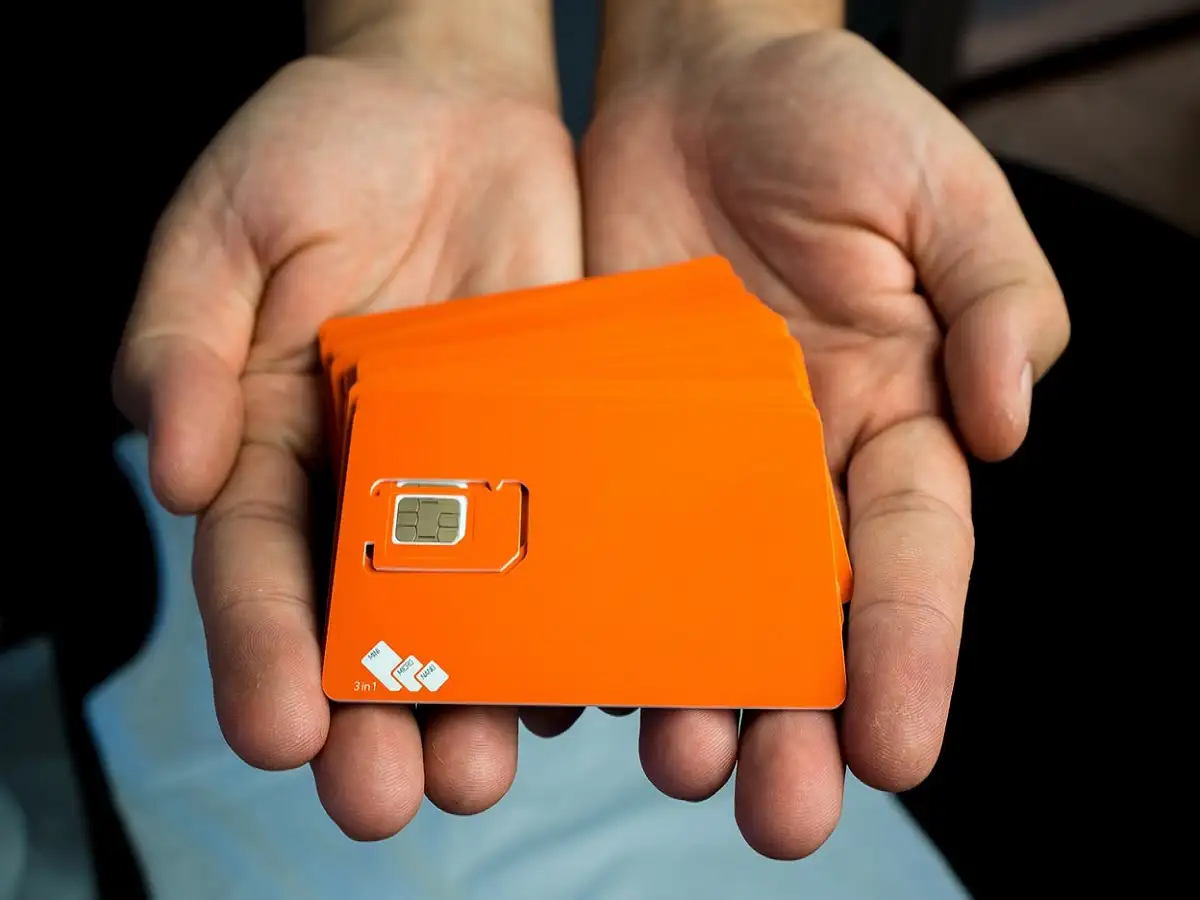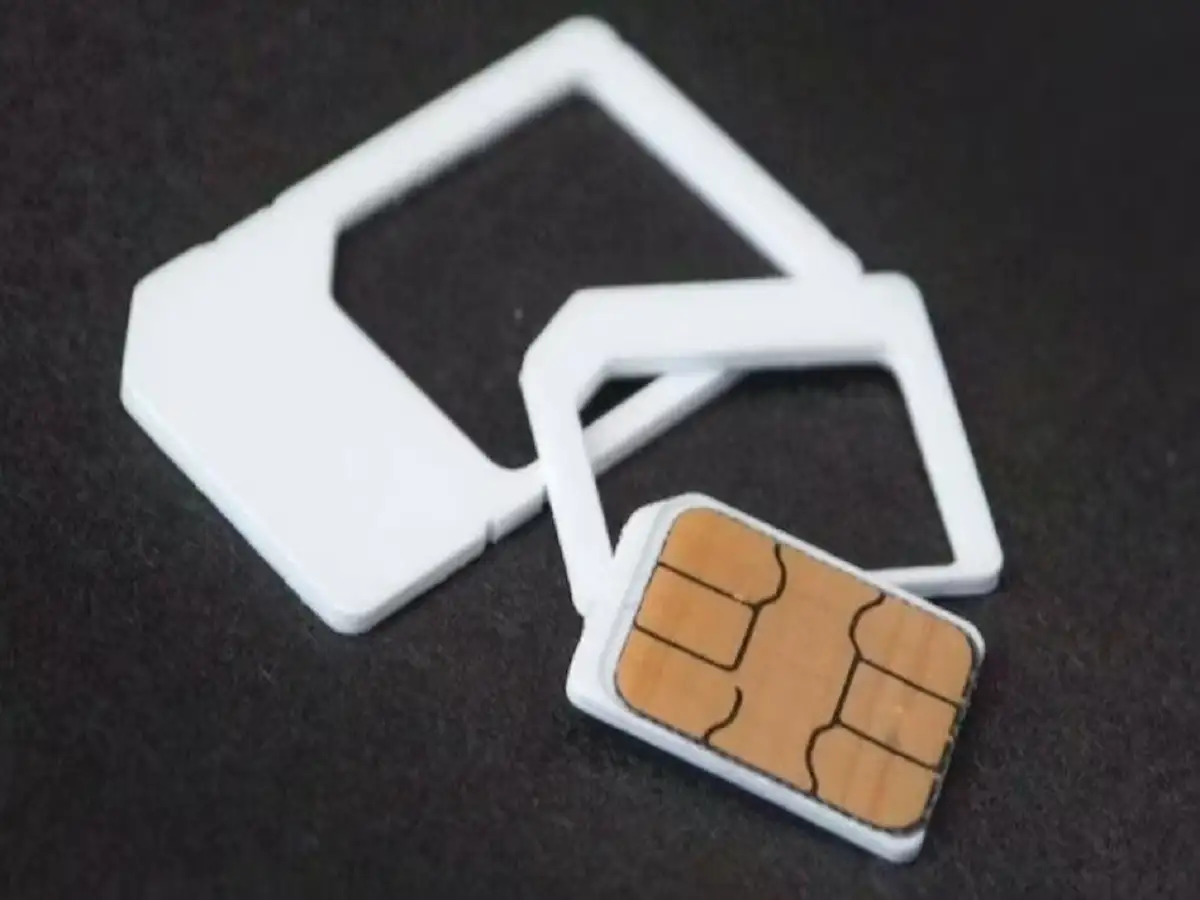
A mobile SIM card is no longer used only for making calls. Your mobile number may be connected to banking services, UPI accounts, social media, government services and several other digital platforms. This makes it particularly important to know which mobile connections have been issued in your name.
The Department of Telecommunications (DoT) has introduced measures that allow users to check mobile connections associated with their identity and flag numbers that do not belong to them.
This is especially important because fraudulently obtaining SIM cards or tampering with telecom identifiers can attract serious legal consequences under the Telecommunications Act, 2023.
For specified offences under the Act, punishment can extend to three years of imprisonment, a fine of up to ₹50 lakh, or both.
However, consumers should understand exactly when these penalties apply rather than assuming that every case involving misuse of a SIM automatically attracts a ₹50 lakh fine.
₹50 Lakh Fine: What Does the Law Actually Say?
Section 42 of the Telecommunications Act, 2023 deals with several telecom-related offences.
Specified offences include fraudulently obtaining a Subscriber Identity Module (SIM) or another telecommunication identifier through fraud, cheating or impersonation.
The law also prohibits certain forms of tampering with telecommunication identifiers.
For offences covered by the relevant provision, punishment may extend to three years in prison, a fine of up to ₹50 lakh, or both.
This means the ₹50 lakh figure is a maximum statutory penalty for specified offences. It should not be interpreted as an automatic fine imposed whenever a SIM registered in someone's name is used by another person.
Why You Should Be Careful With SIMs Registered in Your Name
A mobile connection issued using your identity can create complications if it falls into the wrong hands.
If a number is subsequently linked to fraud or another illegal activity, subscriber records may become relevant during an investigation.
That is why users should maintain control over connections registered in their names and periodically check whether they recognise every active connection associated with their identity.
This can be particularly useful if you previously obtained multiple SIM cards, lost an old SIM, changed numbers or suspect that your identity documents may have been misused.
Fraudulently Obtaining SIM Cards Is a Serious Offence
The legal concern becomes particularly serious when someone obtains SIM cards through fraudulent means.
The Telecommunications Act specifically addresses obtaining SIMs or other telecommunication identifiers through fraud, cheating or impersonation.
Telecom identifier manipulation is also treated seriously. DoT has previously highlighted that tampering with identifiers such as CLI, IP addresses or IMEI can fall within offences covered by the Act.
Consumers should therefore never provide identity documents to unknown individuals or unofficial agents for the purpose of obtaining mobile connections.
How Can You Check SIM Cards Issued in Your Name?
The government provides the Sanchar Saathi platform, through which consumers can access telecom-related safety services.
One useful facility allows consumers to check mobile connections issued in their name.
Consumers should periodically verify:
- How many mobile connections are associated with their identity
- Whether every displayed number is familiar
- Whether an old number that should no longer be active still appears
- Whether any mobile connection was obtained without their knowledge
- Whether a connection previously used by someone else remains registered in their name
If an unfamiliar or unauthorised connection appears, users can use the available reporting facility to flag it.
Why Regular Verification Matters
Identity documents can potentially be misused to obtain mobile connections without the genuine person's knowledge.
Once such a SIM is activated, it could potentially be used for spam, impersonation, fraud or other unlawful activities.
Checking the connections registered in your name can therefore act as an important preventive measure. If you discover a number you never requested, reporting it promptly can help initiate the appropriate verification process.
DoT's systems also use data analytics to identify potentially fraudulent mobile connections, while subscribers can report connections that they do not recognise.
What About IMEI Tampering?
The legal framework is not limited to SIM-card fraud.
Telecommunications rules also address manipulation of unique equipment identifiers. The government has provisions concerning the intentional removal, alteration or modification of unique telecommunication equipment identification numbers.
This is significant because identifiers such as the IMEI number are used to identify mobile devices on telecommunications networks.
DoT has also indicated that telecom entities can be directed to block devices with tampered IMEI numbers from accessing telecommunications networks.
Don't Hand Over Your Documents Casually
Consumers should be particularly careful while sharing Aadhaar or other identity documents for SIM verification.
Use authorised telecom-company stores, approved retailers or official digital processes wherever applicable. Avoid giving copies of identity documents to unknown people who promise SIM activation or other telecom services without a legitimate verification process.
If biometric authentication or OTP verification is required, complete it only through an authorised process. Never share an OTP with someone claiming they need it for an unrelated purpose.
Found an Unknown SIM? Act Promptly
If you find a mobile number registered in your name that you do not recognise, do not simply ignore it.
Use the government's official Sanchar Saathi facility to review and report the connection as appropriate. Consumers should also keep records of any complaint or request submitted.
If there are indications that identity documents have been misused for fraud or another crime, reporting the matter to the appropriate authorities may also be necessary.
The ₹50 Lakh Rule Should Not Be Misunderstood
The most important takeaway is that not every SIM-related problem automatically results in a ₹50 lakh fine.
The Telecommunications Act, 2023 provides penalties of up to three years' imprisonment, a fine of up to ₹50 lakh, or both for specified telecom offences, including certain cases involving fraudulently obtaining SIMs and tampering with telecommunication identifiers.
For ordinary mobile users, the practical precaution is straightforward: keep control of connections issued in your name, protect your identity documents and periodically check whether you recognise all mobile numbers linked to your identity.
Doing so can help identify an unauthorised SIM before it becomes part of a much bigger problem.