NEWS
Does virtual RAM really make your phone faster, or is it just a gimmick? Learn the pros and cons before turning it on.
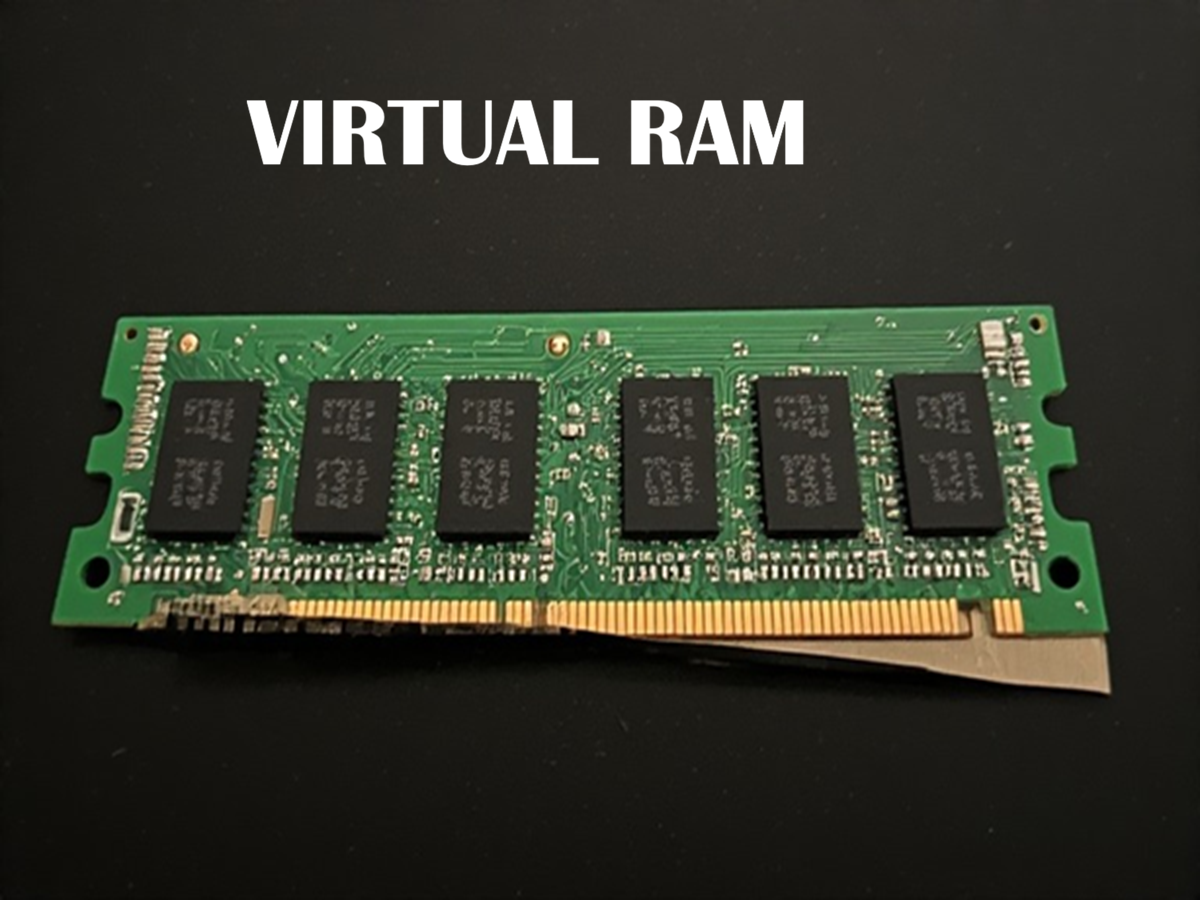
What is Virtual RAM? The biggest advantage of this feature is that it makes multitasking a little easier. If you open multiple apps at once, the phone doesn't close them as quickly.
(What is Virtual RAM)
What is Virtual RAM? Many smartphones today feature Virtual RAM. Companies claim it improves phone speed and multitasking. But the question is: is it really that effective, or just a marketing gimmick? To understand this, it's important to first understand how Virtual RAM works.
How Virtual RAM Works
Virtual RAM is a portion of your phone's internal storage that's temporarily used as RAM. When the phone's real RAM fills up, the system shifts some data to storage to allow apps to continue running. However, it's important to note that real RAM is much faster than storage. Therefore, while virtual RAM can be helpful, it can never completely replace physical RAM.
Benefits of Virtual RAM
The biggest advantage of this feature is that it makes multitasking a little easier. If you open multiple apps at once, the phone doesn't close them quickly. Furthermore, this feature provides some additional relief for smartphones with low RAM. This can help reduce the problem of sudden slowdowns or repeated restarts of apps.
Disadvantages of Virtual RAM
While there are benefits, there are also some limitations. Because virtual RAM relies on storage, its speed isn't as fast as real RAM. This means you won't notice much difference during heavy gaming or high-performance tasks. Additionally, frequent storage usage can impact its lifespan. This can put additional strain on your device's storage in the long run.
Should you turn it on?
If your phone has low RAM and you use it for light or moderate use, Virtual RAM can be useful. However, if you're gaming or using heavy apps, this feature won't be very helpful. Essentially, this feature serves as a support system, not a complete solution.