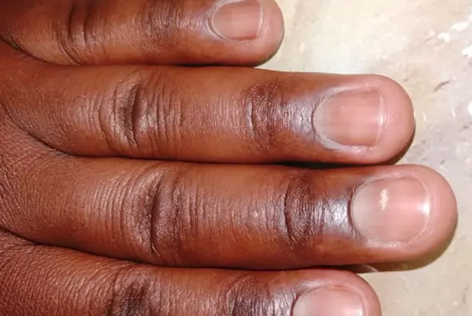
Finger Swelling in the Cold: Winter isn't just a time for fun; many people also face difficulties during this season. Let's explain why fingers swell.
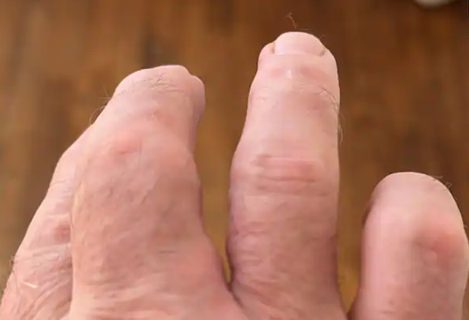
Winter doesn't just bring cold winds and a desire for hot food and drinks; for many, it also brings swelling, redness, and intense itching of the fingers and toes. This cold-weather condition, known as chilblains, can be a sudden, irritating condition. Let's explain why this happens.
1 /6
When cold, moist air hits the skin, the small blood vessels near the surface of the extremities constrict. The body sends blood to the internal organs to conserve heat, causing discomfort in the external parts.
2 /6
The problem worsens when you suddenly move from a cold environment to a warm one. Exposure to intense heat or hot water causes the blood vessels to dilate rapidly, causing fluid to accumulate in the surrounding tissue, causing swelling, irritation, and itching.
3 /6
Smokers, people with poor circulation, anemia, diabetes, or Raynaud's disease are at higher risk. Wet socks, tight shoes, or a cold home can all worsen the condition.
4 /6
Chilblains symptoms appear 12 to 24 hours after exposure. Red or purple spots on the skin, accompanied by intense itching, burning, and swelling. Excessive scratching can lead to blisters or sores, which can become infected.
5 /6
The most effective way to relieve this is to gradually warm the body. Light compresses with lukewarm water, applying moisturizer or petroleum jelly, and pain medication can help. Most importantly, avoid scratching the affected area.
6 /6
To prevent this, wear loose, dry clothing, keep your hands and feet moving to maintain blood flow, and avoid going directly from cold to intense heat. With proper precautions, this problem can resolve within a few weeks, and winter can pass without any problems.