NEWS
Explained: Trump, 'hungry' for oil! After Venezuela, he has a dangerous game plan to control this country.
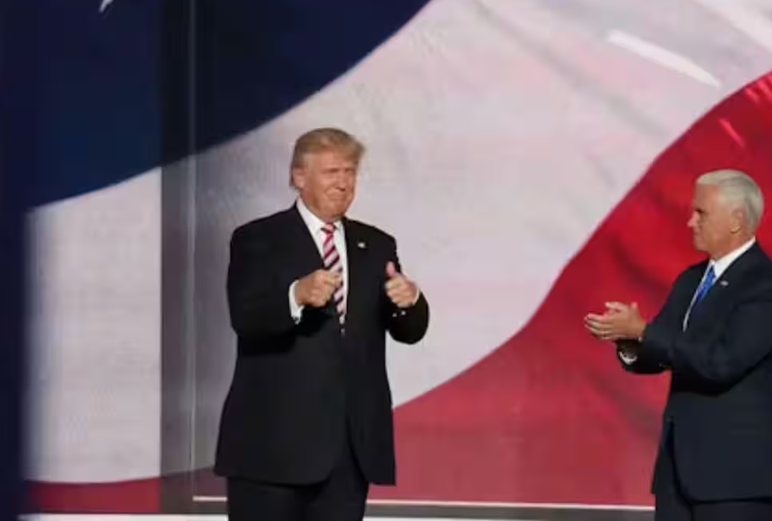
According to a report, America has completed the first phase of the sale of Venezuelan crude oil, in which oil worth about $500 million has been sold.
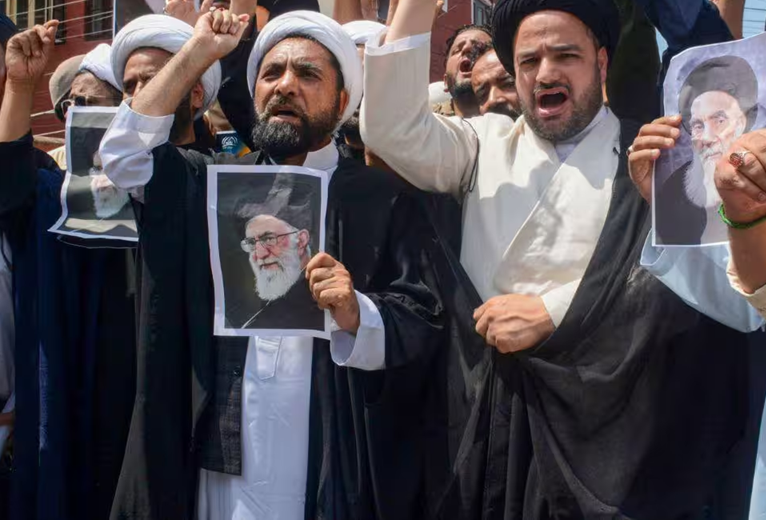
Trump, "hungry" for oil! After Venezuela, now he has a dangerous game plan to control this country.
After disrupting the global economy with tariffs across the globe, the global powerhouse, the United States, now appears to be entering a new and more sensitive game. The arrest of Venezuelan President Nicolas Maduro in early 2026 has shaken international politics. The official motive for the action was drug trafficking and corruption, but global experts see the larger geopolitics of oil as the underlying cause.
The most surprising thing is that since the US intervention, there has been a sharp rise in crude oil prices in the international market.
Has the first shipment of Venezuelan oil been sold?
According to a report, the United States has completed the first round of Venezuelan crude oil sales, selling approximately $500 million worth of oil. US officials have confirmed the report and indicated that more such deals could be made in the coming months.
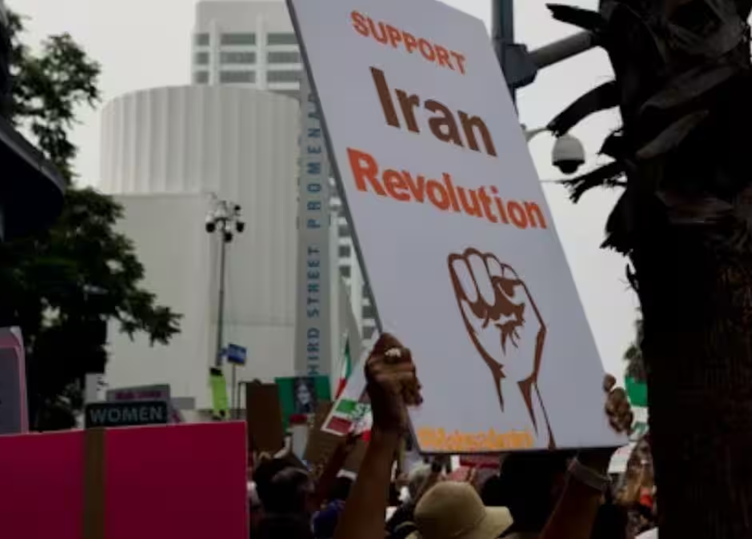
Meanwhile, the US is now eyeing Iran's oil reserves. Former President Donald Trump has openly hinted that Iran could be his next target. This clearly means that major geopolitical upheaval in the Middle East is imminent.
Is Iran Trump's next target?
Professor Shivaji Sarkar says that Trump himself has indicated that Iran is on his next agenda. However, this dispute is not new. “Tensions between Iran and the US are decades old. Iranian nuclear sites have been attacked before,” he explains, adding that when India's role in the Chabahar port and Afghanistan became apparent, the US adopted a somewhat softer stance on Iran. Trump believes that the North-South Corridor through India can provide access to Central Asia.
According to Professor Sarkar, "America's strategy isn't limited to a single president. Planning takes place 20-30 years in the future. The president is merely the face of implementing that strategy."
What does America want after all?
In response to this question, Shivaji Sarkar says that America's economic situation has been under constant pressure since the financial crisis of 2007-08. Many countries are distancing themselves from the dollar. The dollar's hold on global trade is weakening. Pressure on American manufacturing and employment has increased. "The dollar has long been America's greatest strength—whether it's trade or foreign investment through bonds. Now that this hold is weakening, America needs new ways to manage its economy."
War, Weapons, and the American Economy
Professor Sarkar says the American public doesn't want war, but "if there's no war, there won't be any arms sales." If the Ukraine war ends and the Israel-Gaza conflict calms down, Iran could become a new front. Conflict is essential to keeping the arms industry alive—it's been a key part of American strategy.
Why is America eyeing Iran's oil?
He points out that even though Venezuela's oil is of low quality, the US still seized its reserves. "In contrast, Iran's oil is considered among the best in the world. If the US gains control of Iran's oil, it could also gain a significant hold on the global energy market."
China is Iran's largest oil buyer. Therefore, the US believes that by increasing pressure on Iran, it can also undermine China's energy security.
Why is there increased concern for India and Asia?
If the US takes any major action against Iran, the distance between Iran and India is reduced to just 1,500 kilometers. This could have a direct impact on India's energy security, the Chabahar port, access to Central Asia, and the China-Pakistan equation. According to Professor Shivaji Sarkar, "This signals a serious strategic crisis not only for India but for all of Asia."
After Venezuela, the growing US focus on Iran clearly indicates that the battle for oil, the dollar, and global dominance has reached a new stage. If this conflict escalates, its effects will be felt beyond the Middle East to Asia and India. For India, this is a time for cautious diplomacy and strategic balance.