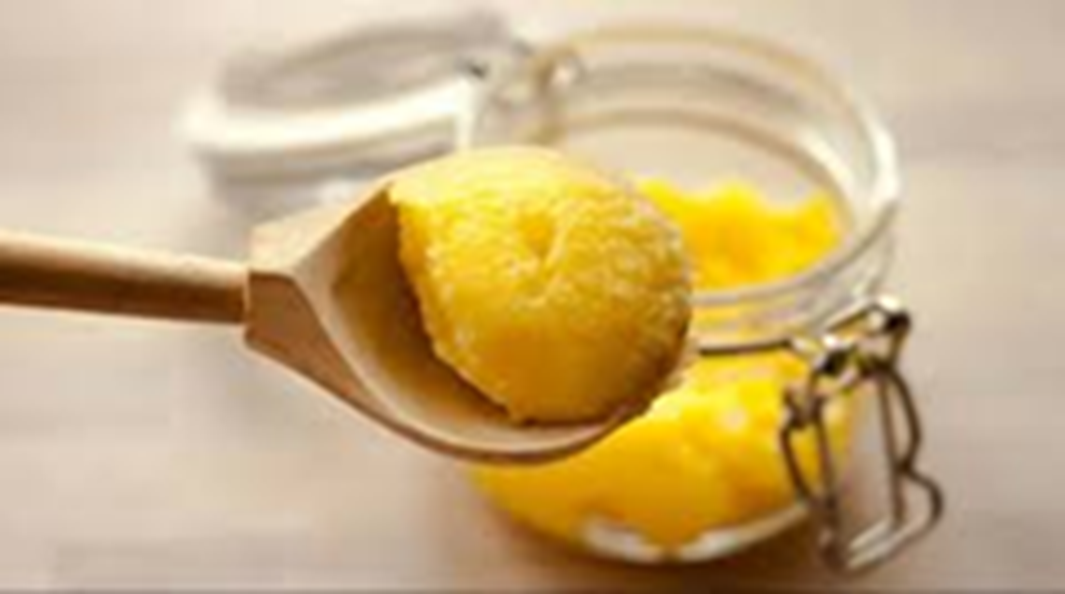
In pursuit of greater profits, some people add oil, vegetable oils, or other adulterants to ghee. Such ghee not only spoils the taste but can also be harmful to health.
Identifying genuine ghee
Ghee is an essential part of the Indian kitchen. Whether it's tempering dal, applying it to rotis, or enhancing the flavor of sweets, everything seems incomplete without ghee. In our country, ghee is not just a food item, but is also associated with health and tradition. Ghee is also considered very beneficial in Ayurveda. Even today, many people extract pure desi ghee from cream at home, but due to changing lifestyles and lack of time, most people buy ghee from the market. The problem begins when many goods available in the market are not pure.
In pursuit of greater profits, some people add oil, vegetable oil, or other adulterants to ghee. Such ghee not only spoils the taste but can also be harmful to health. We often buy ghee based on the packaging and brand, but not all expensive or branded ghee is pure. Therefore, it's crucial to know how to distinguish between real and fake ghee at home. Fortunately, this doesn't require a lab; instead, you can find out the truth with a few simple home remedies.
Home remedies to identify genuine and fake ghee
1. Test ghee with water - Fill a glass or bowl with clean water. Add a spoonful of ghee. If the ghee floats on the surface, it is pure ghee. However, if it settles, it may be adulterated. Pure ghee never sinks in water.
2. Identify the authenticity with the salt test: Take a spoonful of ghee in a bowl and add half a teaspoon of salt. Mix thoroughly and let it sit for 10 minutes. If the ghee changes color during this time, it is fake. Genuine ghee does not change color at all.
3. Rub it on your palm - Place a small amount of frozen ghee in your palm and rub it between your palms. If the ghee melts immediately, it's pure. If it doesn't melt even after rubbing, it's likely adulterated. Furthermore, authentic ghee has a pleasant, indigenous aroma, while fake ghee smells like oil or refined oil.
4. Identify by temperature - Pure ghee melts easily even at mild temperatures. However, fake ghee requires higher heat to melt. If your ghee remains slightly soft even in cold weather, it's a sign of good quality.
5. Identify ghee by its color - Put a small amount of ghee in a bowl and heat it over low heat. If the ghee turns light brown upon heating, it's genuine. Fake ghee remains yellow even after heating and takes longer to melt.
6. Iodine Test - This test determines whether ghee contains starch or other impurities. Place a small amount of ghee in a container and add a few drops of iodine. Stir and let it sit for 20 minutes. If the ghee turns blue or red, it is adulterated. If the color remains unchanged, the ghee is pure.
7. HCL Test - Take a small amount of ghee in a container or test tube and add a few drops of hydrochloric acid. If the ghee remains undisturbed, it is genuine. If it turns red, it is fake. However, be careful when performing this test.