LIFESTYLE
Why Joint Pain Often Feels Worse During the Monsoon: Causes, Risk Factors and Ways to Find Relief
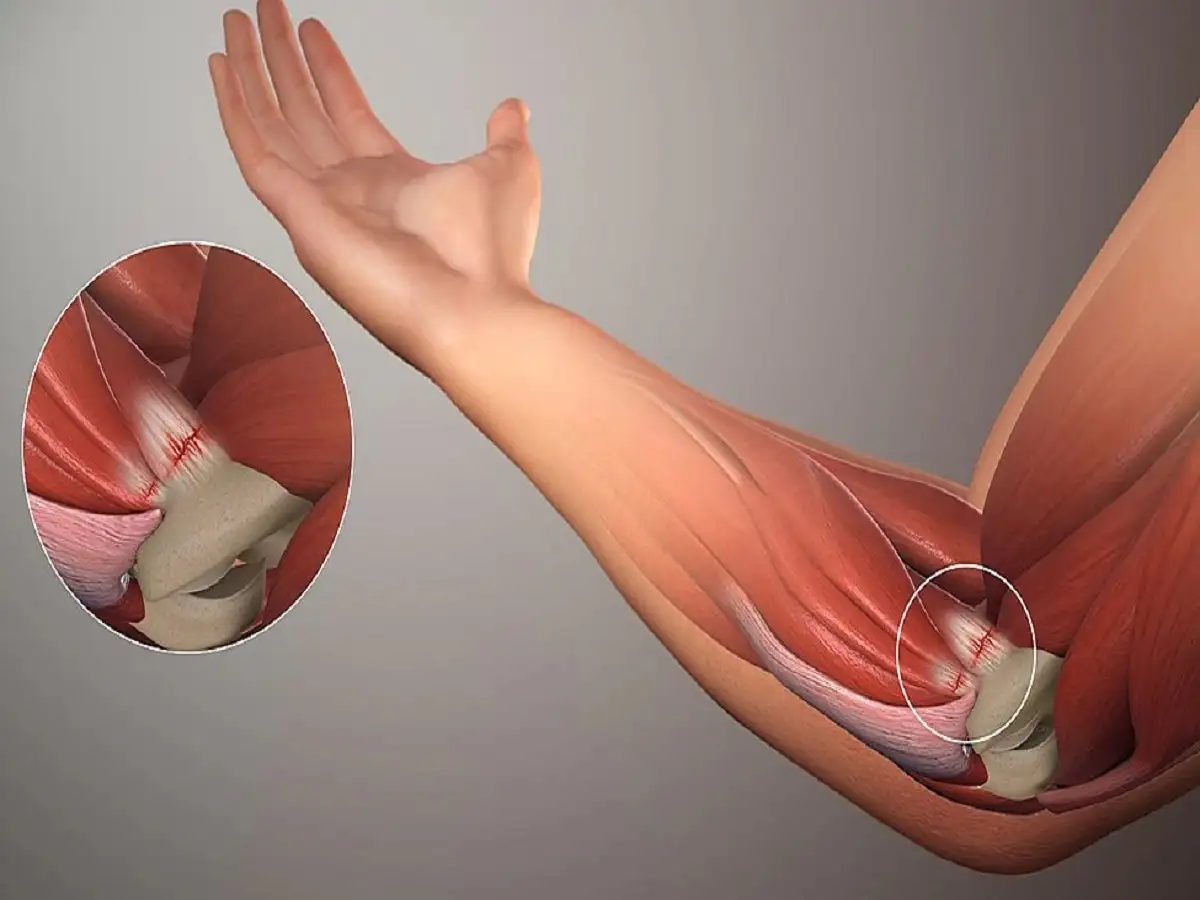
Joint Pain Tips: Many people notice that knee pain, back pain, and joint stiffness become more noticeable during the rainy season. While the monsoon itself does not cause arthritis or new joint diseases, changes in weather conditions may temporarily worsen symptoms in people with existing joint problems. Here's why joint pain may increase during the monsoon and what you can do to keep your joints healthy.
Does the Monsoon Really Make Joint Pain Worse?
The arrival of the monsoon brings relief from extreme summer heat, but for many people living with arthritis or previous joint injuries, it can also bring increased discomfort.
Healthcare experts explain that rainy weather does not directly cause joint disease. Instead, changes in atmospheric pressure, humidity, and daily activity levels may aggravate existing conditions, making pain and stiffness feel more noticeable.
People with osteoarthritis, rheumatoid arthritis, old fractures, or chronic back pain often report that their symptoms become more pronounced during wet weather.
Why Weather Changes May Affect Joint Pain
Several environmental factors during the monsoon may contribute to worsening joint discomfort.
1. Lower Atmospheric Pressure
One of the most commonly discussed explanations is the drop in barometric (atmospheric) pressure during rainy weather.
When air pressure decreases, tissues surrounding the joints may expand slightly. This can increase pressure on nearby nerves, potentially making existing joint pain feel more intense in some individuals.
People with arthritis may notice:
- Increased knee pain
- Lower back discomfort
- Shoulder stiffness
- Reduced joint flexibility
- Pain beginning even before rainfall arrives
Although many patients report this pattern, scientific research has produced mixed results, and the exact relationship between weather changes and joint pain is still being studied.
High Humidity May Increase Stiffness
The monsoon season is also associated with higher humidity levels.
Some people experience muscles, tendons, and ligaments feeling tighter in humid weather, which may contribute to stiffness and reduced mobility.
Common complaints include:
- Morning stiffness in the knees and lower back
- Difficulty bending or walking comfortably
- Reduced flexibility during daily activities
- Increased discomfort after sitting for long periods
Staying active may help reduce stiffness for many individuals.
Reduced Physical Activity Can Make Symptoms Worse
Rainy weather often encourages people to spend more time indoors, leading to lower levels of physical activity.
Long periods of inactivity may weaken the muscles that support the joints, making movement more difficult and increasing stiffness over time.
Remaining physically active—even with light indoor exercises—can help maintain joint flexibility and muscle strength.
Who Is More Likely to Experience Increased Joint Pain?
Weather-related discomfort is generally more noticeable in people who already have joint or musculoskeletal conditions.
Those who may be at higher risk include people with:
- Osteoarthritis
- Rheumatoid arthritis
- Previous fractures
- Old joint injuries
- Sports-related ligament or cartilage injuries
- Knee replacement surgery
- Chronic lower back pain
These individuals may benefit from taking extra care of their joints during periods of prolonged rain and humidity.
Tips to Keep Your Joints Healthy During the Monsoon
Simple lifestyle habits may help reduce stiffness and support joint health throughout the rainy season.
Stay Physically Active
Aim for around 30–40 minutes of walking or light indoor exercise each day, depending on your fitness level and medical condition.
Avoid Sitting for Long Periods
Take short movement breaks every 30 to 60 minutes if you spend long hours sitting.
Keep Your Joints Warm
Protecting joints from cold and damp conditions may help some people feel more comfortable during rainy weather.
Eat a Balanced Diet
Include foods rich in:
- Calcium
- Protein
- Vitamin D
- Fruits and vegetables
- Whole grains
Good nutrition supports overall bone and muscle health.
Continue Prescribed Exercises
If your doctor or physiotherapist has recommended strengthening or stretching exercises, continue them regularly unless advised otherwise.
Maintain a Healthy Body Weight
Excess body weight places additional stress on weight-bearing joints such as the knees and hips. Maintaining a healthy weight may help reduce joint strain.
When Should You Consult a Doctor?
Occasional stiffness during the monsoon is common for many people with arthritis. However, medical advice should be sought if you experience:
- Severe or persistent joint pain
- Swelling, redness, or warmth around a joint
- Sudden inability to move a joint
- Fever along with joint pain
- Pain that continues despite home care
Early evaluation can help identify the underlying cause and prevent further complications.
Final Thoughts
Many people feel that joint pain and stiffness become more noticeable during the monsoon, particularly those living with arthritis or previous joint injuries. Although rainy weather itself does not cause joint disease, lower atmospheric pressure, increased humidity, and reduced physical activity may contribute to worsening symptoms in some individuals.
Staying physically active, maintaining a healthy weight, following a balanced diet, and continuing doctor-recommended exercises can help support joint health throughout the rainy season. If pain becomes severe or significantly affects daily activities, consult a healthcare professional for an appropriate evaluation and treatment plan.