LIFESTYLE
Premature Grey Hair: Causes, Can It Be Reversed, and Tips to Support Healthy Hair Naturally
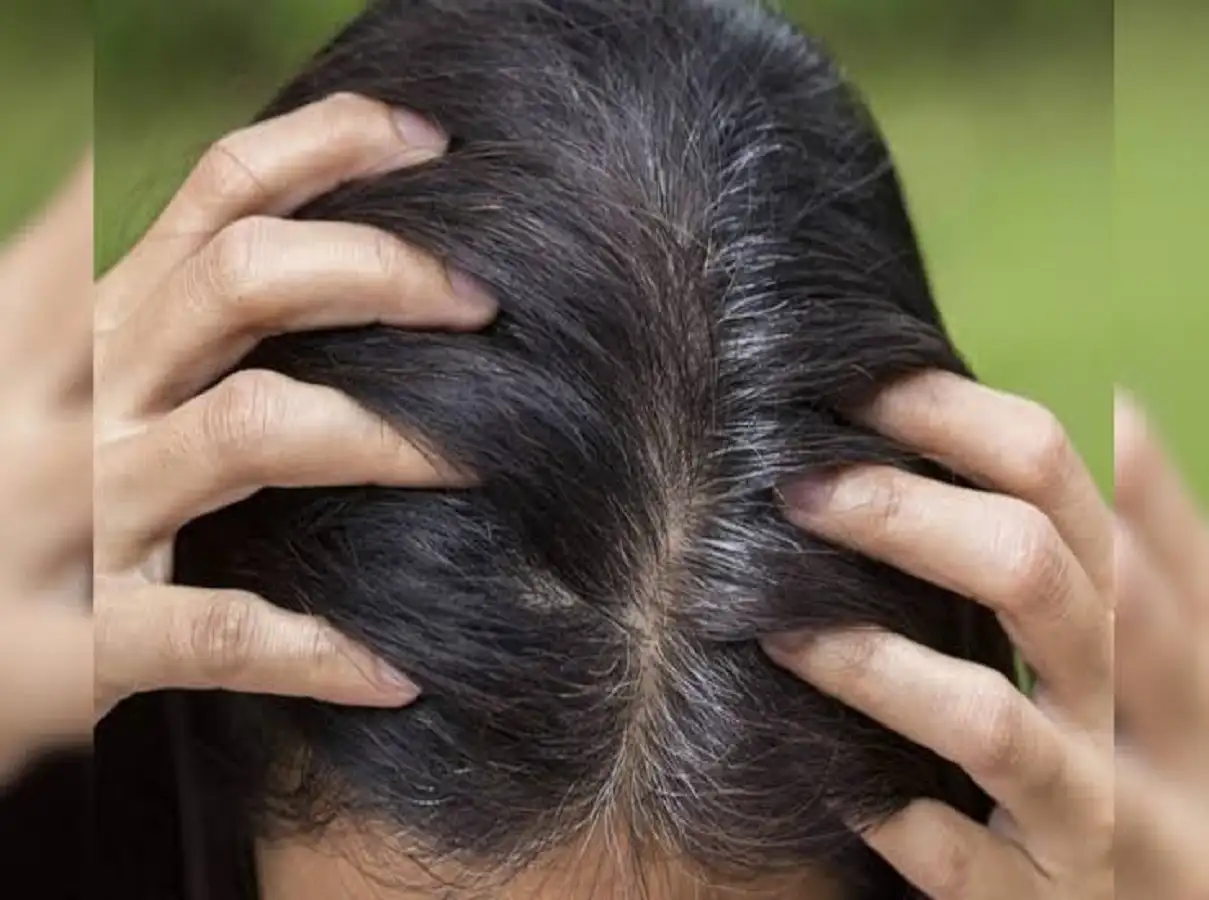
Hair Care Tips: Grey hair is no longer something associated only with old age. Many people in their 20s and 30s are noticing strands turning grey much earlier than expected. While stress is often blamed, health experts say genetics, nutritional deficiencies, certain medical conditions, and lifestyle habits can also contribute to premature greying. Here's what causes early grey hair, whether it can regain its natural color, and the nutrients that support healthy hair.
Why Are More Young People Experiencing Grey Hair?
For many years, grey hair was considered a natural sign of aging. However, an increasing number of younger adults are now experiencing premature greying.
Experts explain that hair color depends on melanin, the pigment produced by specialized cells called melanocytes. When these cells gradually produce less melanin—or stop functioning altogether—hair begins to lose its natural color and turns grey or white.
The medical term for this condition is premature canities, which refers to grey hair appearing earlier than expected for a person's age.
Common Causes of Premature Grey Hair
Several factors may contribute to early greying of hair. In many cases, more than one factor may be involved.
1. Genetics
Family history is one of the strongest predictors of premature grey hair. If parents or close relatives experienced early greying, the likelihood may be higher.
2. Vitamin B12 Deficiency
Vitamin B12 is important for healthy hair and nerve function. Low levels have been linked to premature greying in some individuals.
3. Vitamin D Deficiency
Vitamin D supports various functions in the body, including healthy hair follicles. Inadequate levels may contribute to overall hair health issues.
4. Iron Deficiency
Iron plays an important role in oxygen transport throughout the body. Low iron levels may affect healthy hair growth and pigmentation.
5. Copper Deficiency
Copper is involved in melanin production. Insufficient copper intake may influence the natural pigmentation of hair.
6. Folate Deficiency
Folate (vitamin B9) supports cell growth and may contribute to maintaining healthy hair.
7. Chronic Stress
Long-term stress may increase oxidative stress within the body, which researchers believe could contribute to premature hair greying in some people.
8. Smoking and Unhealthy Lifestyle Habits
Smoking has been associated with an increased likelihood of premature grey hair. Poor dietary habits, inadequate sleep, and an unhealthy lifestyle may also affect hair health.
9. Environmental Factors
Exposure to pollution and environmental stressors may contribute to oxidative damage, which can affect both hair and skin over time.
Medical Conditions Linked to Premature Grey Hair
In some cases, early greying may be associated with underlying health conditions that require medical attention.
These may include:
- Thyroid disorders
- Autoimmune conditions such as alopecia areata
- Vitiligo
- Certain nutritional deficiencies
- Hormonal imbalances
If grey hair appears suddenly or is accompanied by other symptoms such as hair loss, fatigue, or weight changes, it is advisable to consult a healthcare professional for evaluation.
Can Grey Hair Become Black Again?
Whether grey hair can regain its natural color depends largely on the underlying cause.
If premature greying is related to nutritional deficiencies or a treatable medical condition, correcting the deficiency or managing the health problem may help slow further greying. In some cases, partial restoration of natural hair color has been reported, although this is not guaranteed.
However, when grey hair is caused by genetics or the natural aging process, there is currently no scientifically proven treatment that can permanently restore natural hair color.
Many products marketed as permanent solutions lack strong scientific evidence, so consumers should approach such claims with caution.
Nutrients That Support Healthy Hair
A balanced diet rich in essential nutrients can help maintain overall hair health, even though it may not reverse genetically determined greying.
Foods that support healthy hair include:
Vitamin B12 Sources
- Milk and dairy products
- Eggs
- Fish
- Lean meat
Iron-Rich Foods
- Spinach
- Lentils
- Beans
- Chickpeas
Copper Sources
- Nuts
- Seeds
- Whole grains
Folate-Rich Foods
- Leafy green vegetables
- Broccoli
- Citrus fruits
- Legumes
Vitamin D Sources
- Safe sunlight exposure
- Fortified dairy products
- Fatty fish
- Egg yolks
Protein-Rich Foods
Since hair is primarily made of protein, consuming adequate protein may support healthy hair growth.
Good options include:
- Eggs
- Dairy products
- Soy products
- Lentils
- Fish
- Lean poultry
Healthy Habits for Better Hair Care
In addition to proper nutrition, these lifestyle habits may help maintain healthy hair:
- Eat a balanced diet rich in vitamins and minerals.
- Manage stress through regular exercise, meditation, or relaxation techniques.
- Get sufficient sleep each night.
- Avoid smoking.
- Limit excessive heat styling and harsh chemical treatments.
- Use gentle hair care products suitable for your hair type.
Final Thoughts
Premature grey hair can result from several factors, including genetics, nutritional deficiencies, lifestyle habits, and certain medical conditions. While grey hair caused by aging or hereditary factors cannot currently be reversed through scientifically proven treatments, addressing underlying nutrient deficiencies and maintaining healthy lifestyle habits may help support overall hair health and slow further greying in some individuals.
If you notice sudden or unusually early greying—especially when accompanied by hair loss or other health concerns—it is advisable to consult a dermatologist or healthcare professional for proper assessment and personalized guidance.