Vastu Tips for Home: The main entrance holds special importance in Vastu Shastra and several Hindu traditions. It is traditionally regarded as the primary passage through which energy enters a home and is therefore associated with positivity, prosperity and the well-being of family members.
One common Vastu belief concerns what homeowners should do with their main door around sunset. According to traditional practices, keeping the entrance completely shut throughout the evening may not be considered ideal. Instead, some traditions recommend keeping it open or slightly ajar for a short period around sunset.
It is important to understand that these suggestions are based on traditional and religious beliefs rather than scientifically established effects. Those who follow Vastu may choose to incorporate them into their daily routine according to their personal beliefs and practical circumstances.
Why Is the Main Entrance Important in Vastu?
In Vastu Shastra, the main door is considered more than simply an entry and exit point. It is traditionally viewed as a gateway for the flow of energy into the house.
For this reason, considerable attention is given to the cleanliness, appearance and surroundings of the entrance. A bright, organised and obstruction-free doorway is generally considered auspicious, while clutter and poor maintenance around the entrance are traditionally discouraged.
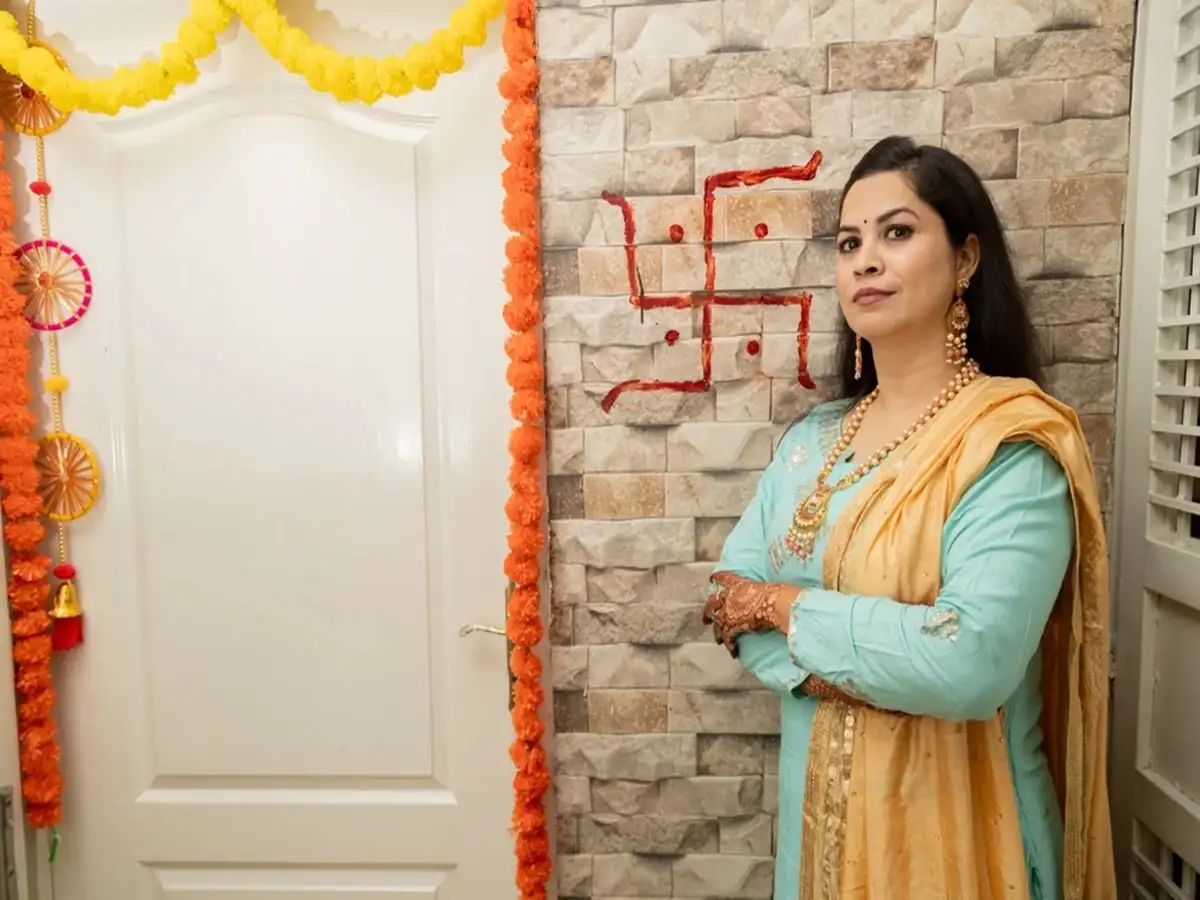
Many households also decorate their entrances during festivals and special occasions with lamps, rangoli, flowers and other traditional elements.
Should You Keep the Main Door Open in the Evening?
According to a popular Hindu belief, the period around sunset is associated with the arrival of Goddess Lakshmi, who represents wealth, prosperity and good fortune.
Because of this belief, some families avoid keeping their main entrance continuously closed at this time. They may leave the door open or slightly open for a short period while performing their evening prayers.
This does not mean that a door needs to remain open for hours. Security, insects, weather conditions and personal safety should always take priority. The practice is largely symbolic and can be followed according to individual circumstances.
Evening Is Associated With a Change in Energy
Vastu traditions give particular importance to sunrise and sunset. These transitional periods are considered significant because they mark a shift between day and night.
According to traditional Vastu thinking, allowing fresh air and light into the house around this period can contribute to a pleasant and welcoming atmosphere.
From a practical perspective, ventilation and a clean entrance can certainly make a home feel fresher. However, claims about specific positive or negative energies should be understood as part of traditional belief rather than proven scientific fact.
Is a Closed Door Linked to Financial Problems?
Some Vastu beliefs associate a continuously closed entrance around sunset with obstacles to prosperity. The idea is largely symbolic: if the main entrance represents the path through which abundance enters the home, keeping it shut during an auspicious period is sometimes interpreted as blocking that path.
This is why some followers of Vastu prefer to open the entrance briefly during evening prayers.
There is, however, no scientific evidence that keeping a door closed at sunset directly causes financial difficulties. Household finances depend on practical factors such as income, expenses, savings and financial planning. The Vastu practice should therefore be viewed as a cultural or spiritual tradition.
Keep the Area Around the Entrance Clean
One of the most commonly recommended Vastu practices is maintaining cleanliness around the main entrance.
Shoes, waste, broken objects and unnecessary clutter should ideally not block the doorway. A neat entrance is traditionally associated with positivity and prosperity.
Even outside Vastu considerations, this is a useful household habit. An uncluttered entrance improves accessibility, reduces tripping hazards and creates a more welcoming first impression.
The door itself should also be maintained properly. Broken handles, damaged locks or doors that are difficult to open and close should be repaired for practical safety reasons.
Lighting a Diya Near the Main Door
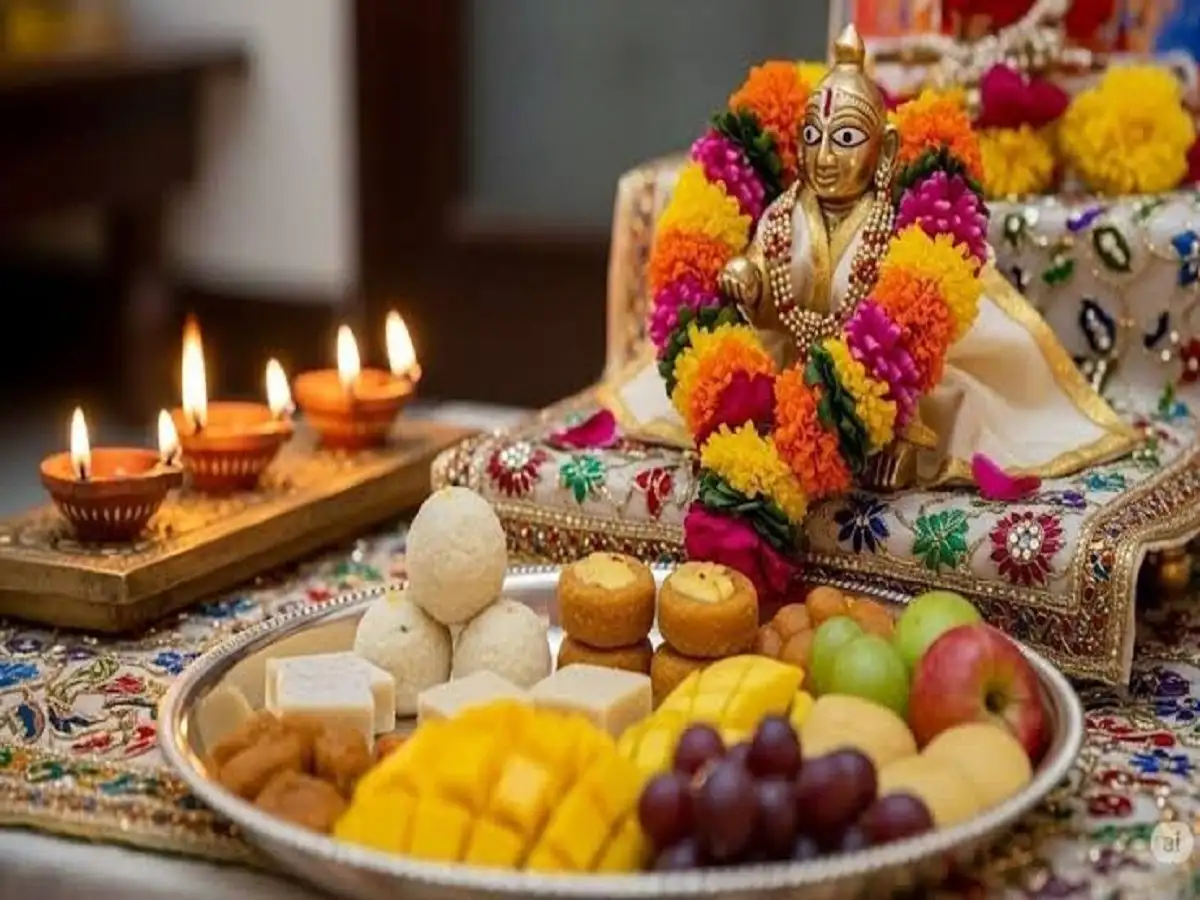
Lighting a diya at sunset is a familiar practice in many Indian households. A lamp filled with oil or ghee may be placed near the entrance or in the home's prayer area during evening worship.
Traditionally, the light of a diya represents the removal of darkness and negativity and the arrival of knowledge, hope and auspiciousness.
If a diya is placed near the main entrance, basic fire safety is essential. Keep it away from curtains, paper, wooden decorations and anything that can easily catch fire. It should also not be left unattended, especially in homes with children or pets.
Sprinkling Gangajal or Clean Water
Another traditional practice involves sprinkling Gangajal around the entrance during morning or evening worship. Where Gangajal is not available, some people simply use clean water as part of their routine.
This ritual is associated with purification in Hindu tradition and is believed by practitioners to help maintain an auspicious atmosphere around the home.
Homeowners who follow this custom should also make sure that the floor does not remain excessively wet or slippery, particularly near stairs or frequently used entrances.
Simple Ways to Maintain a Positive Entrance
Whether or not you strictly follow Vastu Shastra, keeping the main entrance clean, adequately lit and free from unnecessary clutter can make the home more welcoming.
Those who follow traditional Vastu beliefs may additionally choose to keep the main door open briefly around sunset, light a diya safely and maintain cleanliness around the entrance.
Ultimately, these customs are matters of faith and tradition. They can be followed as part of a household's spiritual routine while keeping practical considerations such as security, hygiene and safety at the forefront.