ASTROLOGY
Janmashtami 2026 Date and Puja Time: Check Nishita Muhurat, Rohini Nakshatra and Vrat Paran
Krishna Janmashtami is one of the most important Hindu festivals dedicated to Lord Krishna. Celebrated as the birth anniversary of Krishna, the occasion is marked by fasting, prayers, devotional songs and elaborate midnight rituals across India and in many other parts of the world.
In 2026, Krishna Janmashtami will be celebrated on Friday, September 4. Devotees will observe the festival during the Krishna Paksha Ashtami Tithi of the Bhadrapada month. Since Hindu tradition associates Lord Krishna's birth with midnight, the Nishita Kaal is considered particularly significant for the main puja.
Those planning to observe the Janmashtami fast should also note the Ashtami Tithi, Rohini Nakshatra and vrat paran timings. Here's a detailed guide to the major timings and traditional rituals associated with Janmashtami 2026.
When Is Janmashtami in 2026?
Krishna Janmashtami will fall on September 4, 2026.
According to traditional belief, Krishna was born at midnight on the Ashtami Tithi of Krishna Paksha in the Bhadrapada month. This is why the most important celebrations usually take place late at night.
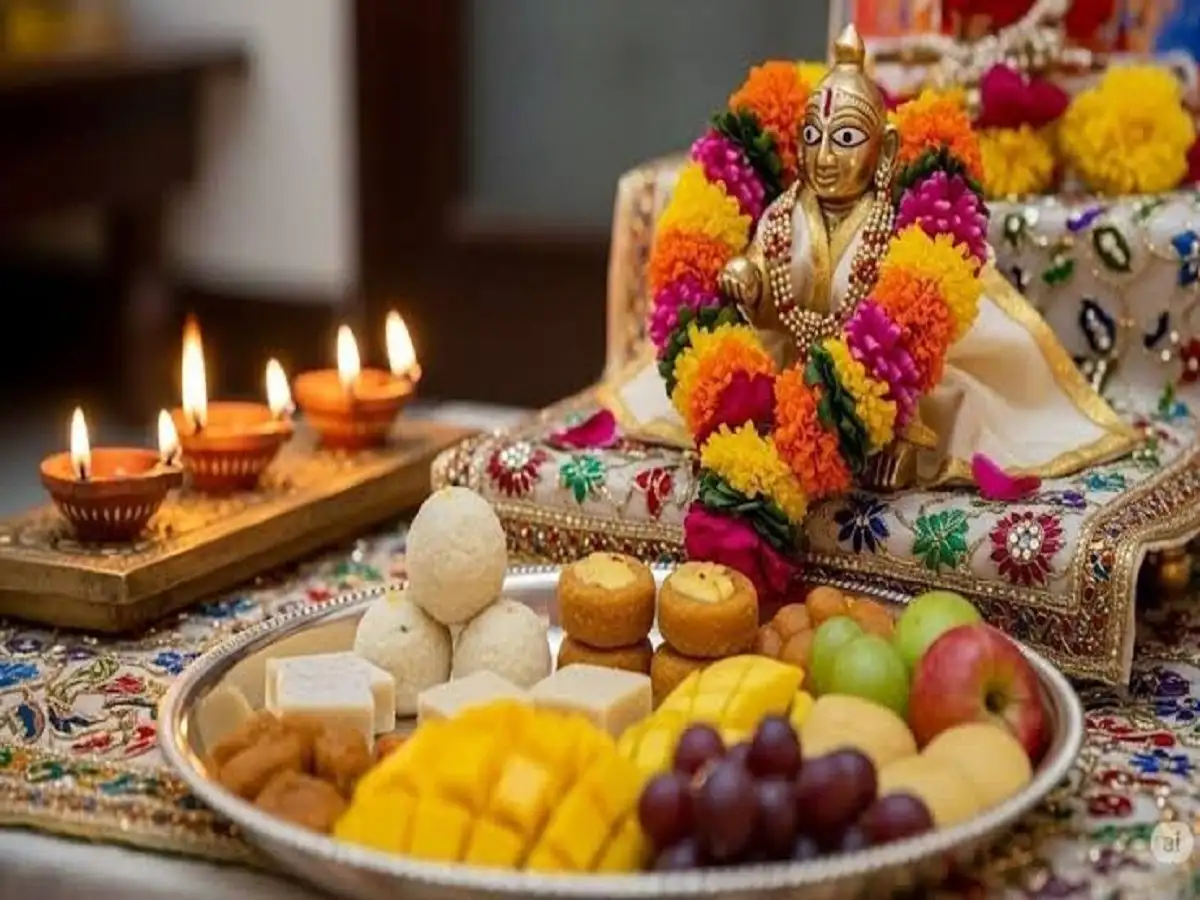
Temples and homes are decorated for the occasion, while devotees worship the child form of Krishna, commonly known as Bal Gopal or Laddu Gopal.
Many devotees also observe a day-long fast and conclude the principal celebrations after the symbolic birth of Krishna at midnight.
Janmashtami 2026 Ashtami Tithi Timings
The Ashtami Tithi is expected to begin on September 4 and continue beyond midnight.
According to the timings provided:
Ashtami Tithi begins: September 4, 2026 at 2:25 AM
Ashtami Tithi ends: September 5, 2026 at 12:13 AM
Since Panchang calculations can vary slightly depending on location and the system used, devotees planning highly time-specific rituals may want to confirm the local timings closer to the festival.
Janmashtami 2026 Nishita Puja Muhurat
Nishita Kaal is regarded as the most significant period for Janmashtami worship because it corresponds with the traditional time associated with Lord Krishna's birth.
For 2026, the reported Nishita Puja Muhurat will begin at 11:57 PM on September 4 and continue until 12:43 AM on September 5.
During this period, devotees traditionally perform the main Krishna Janmashtami puja and celebrate the birth of Bal Gopal.
Many temples also organize special midnight aarti, bhajan and kirtan programmes around this time.
Rohini Nakshatra Timing on Janmashtami
Rohini Nakshatra also carries considerable religious significance in Krishna Janmashtami traditions because Lord Krishna is believed to have been born under this Nakshatra.
The reported timings for 2026 are:
Rohini Nakshatra begins: September 4, 2026 at 12:29 AM
Rohini Nakshatra ends: September 4, 2026 at 11:04 AM
Devotees following detailed Panchang-based rituals may take both the Ashtami Tithi and Rohini Nakshatra into consideration while planning their observances.
When Can You Break the Janmashtami Fast?
Vrat paran refers to formally ending a religious fast.
Different Janmashtami traditions may follow different rules for paran. Some devotees conclude their fast after completing the midnight puja, while others wait until the following morning.
According to the timings provided, the Dharmashastra-based paran time is after 6:01 AM on September 5.
Under another commonly followed practice, devotees may perform paran after 12:43 AM on September 5, once the Nishita worship has concluded.
Those observing a strict Janmashtami fast can follow their family tradition or consult a local priest regarding the appropriate paran time.
How Is the Janmashtami Fast Traditionally Observed?
Fasting is an important part of Janmashtami celebrations for many devotees.
Some people observe a strict fast and avoid food for the entire day, while others consume fruits, milk and foods traditionally permitted during vrat.
Grains are generally avoided by people following the traditional Janmashtami fasting rules.
The day may be spent chanting Krishna's name, reading religious scriptures, visiting temples and participating in bhajan and kirtan.
The fast continues until the prescribed paran time according to the tradition being followed.
People with medical conditions, pregnant women, elderly individuals or those taking regular medication should consider their health requirements before undertaking a prolonged or restrictive fast.
What Happens at Midnight on Janmashtami?
Midnight is the central moment of Krishna Janmashtami celebrations.
Devotees prepare an idol of Bal Gopal for a ceremonial bath, or abhishek. Traditionally, ingredients such as milk, curd, ghee, honey and water may be used during the ritual.
The deity is then dressed in fresh clothes and decorated with ornaments.
Conch shells and bells may be sounded while Krishna mantras and devotional songs are recited.
In temples, the midnight celebration can become particularly elaborate, with devotees gathering to witness Krishna Janmotsav and participate in the special aarti.
Makhan-Mishri and Chhappan Bhog Traditions
Food offerings are another important part of Janmashtami.
Makhan and mishri are popularly offered to Bal Krishna because butter occupies a special place in stories about Krishna's childhood.
Devotees may also prepare sweets, fruits and other vegetarian dishes as bhog.
Some temples and households observe the tradition of Chhappan Bhog, where 56 different food preparations are symbolically offered to Lord Krishna.
The scale of the offering depends entirely on individual tradition and circumstances. A simple offering made with devotion is also commonly considered appropriate.
Jhulan Ritual for Bal Gopal
After the midnight worship, many families place the child form of Krishna in a decorated cradle or swing.
Devotees gently rock the swing while singing bhajans and celebrating Krishna's birth.
This ritual, known as Jhulan, symbolizes the joy associated with the arrival of the infant Krishna.
Homes and temples may also create decorative displays representing scenes from Krishna's childhood in Mathura, Gokul and Vrindavan.
Krishna Mantra for Janmashtami Puja
Devotees may chant different Krishna mantras during Janmashtami worship. One traditional mantra mentioned for the occasion is:
“Om Devakinandanaya Vidmahe, Vasudevaya Dhimahi, Tanno Krishnah Prachodayat.”
Along with mantra chanting, devotees may recite verses from the Bhagavad Gita or listen to stories associated with Krishna's life.
The emphasis of the festival remains on devotion, prayer and remembrance of Krishna's teachings.
Janmashtami 2026: Important Date and Timings at a Glance
Here are the key timings to remember:
Krishna Janmashtami: Friday, September 4, 2026
Ashtami Tithi begins: September 4 at 2:25 AM
Ashtami Tithi ends: September 5 at 12:13 AM
Nishita Puja Muhurat: September 4, 11:57 PM to September 5, 12:43 AM
Rohini Nakshatra begins: September 4 at 12:29 AM
Rohini Nakshatra ends: September 4 at 11:04 AM
Traditional morning paran: After 6:01 AM on September 5
Alternative paran practice: After 12:43 AM on September 5
Why Janmashtami Holds Special Significance
For devotees, Janmashtami is much more than a celebration of Krishna's birth. The festival represents devotion, faith and the spiritual teachings associated with Lord Krishna.
Celebrations vary considerably across India. Mathura and Vrindavan are known for elaborate temple festivities, while Maharashtra is famous for Dahi Handi celebrations. Families elsewhere may observe the occasion through fasting, midnight worship and intimate celebrations at home.
In 2026, the main Janmashtami celebrations will take place on September 4, with the important Nishita worship continuing beyond midnight into September 5.
As religious calendars can differ by geographical location, devotees are advised to verify the exact local Panchang timings before performing rituals that depend on a precise muhurat.
Disclaimer: This article presents dates, timings and rituals based on traditional Hindu calendar calculations and religious beliefs. Panchang timings and customs may vary according to location and tradition. Readers may consult a local priest or authoritative Panchang for location-specific observances.