ASTROLOGY
Vastu Tips for Main Door: Should You Keep Your Entrance Open in the Evening? Know the Traditional Belief

The main entrance holds special importance in Vastu Shastra and several Hindu traditions. It is regarded not merely as the physical entry point to a home but also symbolically associated with the arrival of positive energy, prosperity and good fortune.
This is why traditional Vastu practices recommend paying particular attention to the condition of the main door, especially around sunset. One commonly followed belief suggests that the entrance should not remain completely closed throughout the evening and may instead be kept open for a short period around sunset.
The practice is traditionally associated with welcoming Goddess Lakshmi, who represents wealth and prosperity in Hindu belief. However, these customs should be understood as religious and cultural traditions rather than scientifically proven methods for improving finances or changing a household's fortune.
Here are some popular Vastu beliefs associated with the main entrance during the evening.
Should the Main Door Be Kept Open at Sunset?
According to traditional Vastu beliefs, the period around sunset is considered significant for the household.
Some traditions recommend keeping the main entrance open or partially open for a short while during this period instead of keeping it completely shut.
The idea is symbolic: an open and welcoming entrance is believed to represent readiness to receive auspicious energy and prosperity.
There is no universally prescribed duration for keeping the door open, and customs can differ between households and regions.
Practical concerns such as security, insects, weather conditions and privacy should always take priority. Following a religious custom does not require leaving a home unsecured.
Evening Is Traditionally Associated With Goddess Lakshmi
In Hindu tradition, evening worship is often associated with welcoming auspiciousness into the home.
Goddess Lakshmi is worshipped as the deity of wealth, prosperity and abundance. Many households therefore light lamps and perform prayers around sunset.
Within this belief system, keeping the entrance clean, illuminated and welcoming during the evening is considered auspicious.
Some people interpret a permanently dark, dirty or neglected entrance as symbolically unfavorable, while a clean and well-lit doorway is viewed as a sign of positivity and hospitality.
Vastu Links the Main Entrance With Positive Energy
Vastu Shastra places considerable emphasis on the location and condition of the main entrance.
According to traditional interpretations, the entrance is considered one of the major points through which energy enters a building.
For this reason, people following Vastu principles may avoid placing unnecessary obstacles directly in front of the door.
The entrance is also traditionally kept bright, clean and clutter-free to create a welcoming environment.
From a practical perspective, keeping an entrance organized can also make the home appear cleaner and more inviting, irrespective of Vastu beliefs.
Does Closing the Door in the Evening Cause Financial Problems?
Some traditional Vastu interpretations associate a closed or neglected entrance around sunset with obstacles to prosperity.
According to this belief, shutting the main entrance throughout the auspicious evening period can symbolically represent blocking the arrival of abundance.
However, there is no scientific evidence that closing a home's main door at sunset causes financial difficulties or monetary loss.
Financial well-being depends on practical factors such as income, expenditure, savings, investments, debt and financial planning.
People who follow Vastu may observe the evening-door tradition for religious or cultural reasons, but it should not be treated as a substitute for practical financial decisions.
Keep the Area Around the Main Door Clean
Cleanliness is one of the most commonly emphasized principles associated with the entrance.
Traditional Vastu practices recommend ensuring that dust, garbage, broken objects and unnecessary clutter do not accumulate around the main door.
Shoes and other items may also be arranged neatly instead of being scattered directly across the entrance.
A clean doorway is traditionally considered a symbol of order, positivity and prosperity.
Even outside Vastu, there are practical benefits. A clutter-free entrance improves accessibility and creates a more pleasant first impression for residents and visitors.
Light a Diya Near the Entrance in the Evening
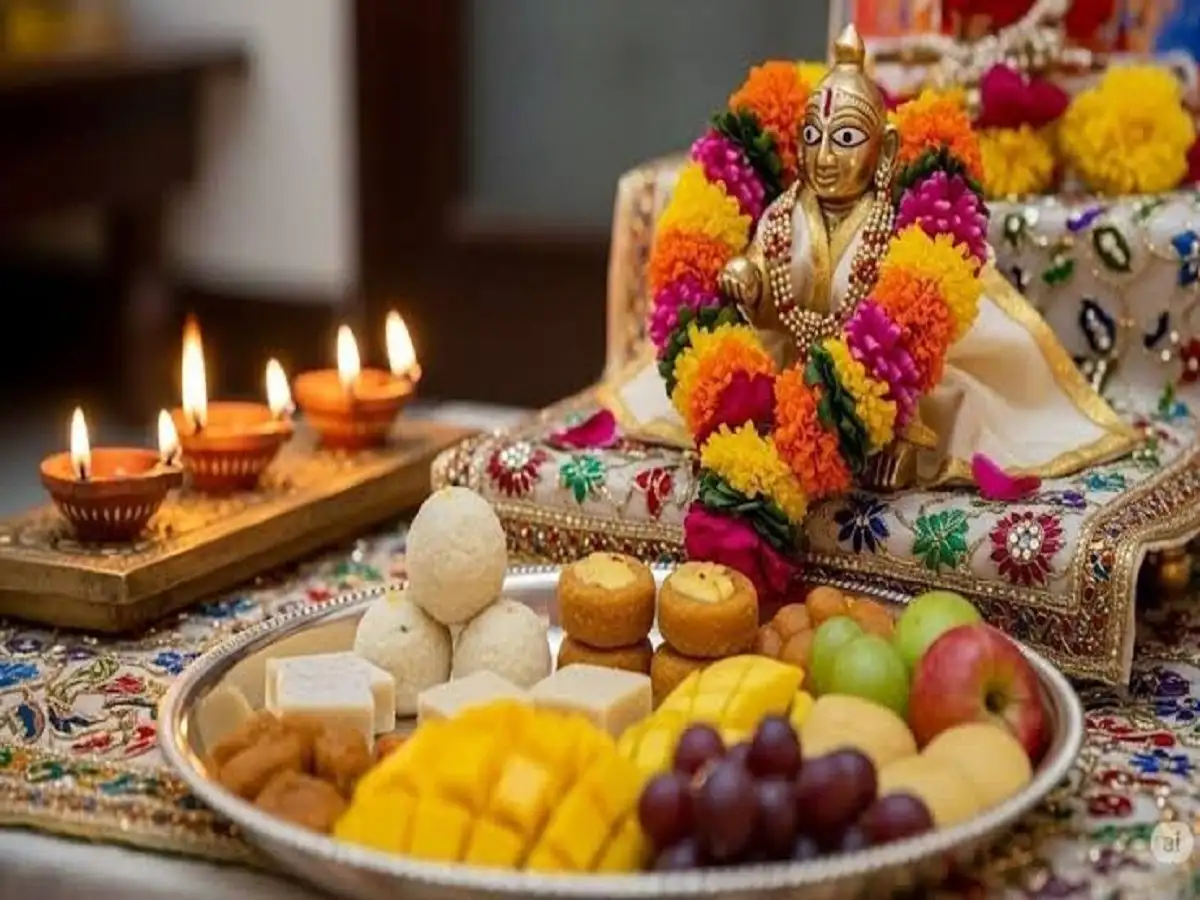
Lighting a diya at sunset is a familiar religious practice in many Indian households.
According to tradition, a lamp near the entrance is associated with removing darkness and welcoming positive energy.
Some people use a ghee diya, while others light an oil lamp depending on family customs.
If you follow this practice, fire safety is essential. Place the lamp on a stable, non-flammable surface away from curtains, paper, footwear, children and pets. Never leave an open flame unattended.
Those who cannot safely use an open flame may choose appropriate electric lighting instead.
A Bright Entrance Is Considered Auspicious
Traditional Vastu advice generally discourages keeping the main entrance excessively dark during the evening.
A properly illuminated doorway is associated with positivity and a welcoming atmosphere.
Homeowners may therefore use a porch light, wall lamp or another suitable source of illumination near the entrance.
Good lighting also has practical advantages. It can improve visibility around steps and pathways and make it easier to identify visitors at night.
Sprinkling Gangajal Is Another Traditional Practice
Another religious custom followed in some households involves sprinkling Gangajal near the entrance.
Gangajal, or water from the River Ganga, is considered sacred in Hindu tradition and is frequently used in purification rituals.
Some families sprinkle it around the main entrance in the morning or evening as a symbolic act of purification.
Where Gangajal is not available, some traditions use clean water instead.
Again, this should be understood as a faith-based practice rather than a scientifically established method of changing the energy or financial circumstances of a home.
Remove Broken and Unnecessary Objects From the Entrance
According to Vastu beliefs, damaged, unused or broken objects should not be allowed to accumulate near the main doorway.
A broken nameplate, damaged decorative pieces, unused containers or piles of unwanted household items can make the entrance appear neglected.
Vastu associates such clutter with stagnation and negativity.
A more practical interpretation is straightforward: removing unnecessary objects makes the entrance safer, cleaner and easier to use.
Make the Entrance Feel Welcoming
Several traditional practices focus on making the doorway visually pleasant.
Depending on personal and family traditions, people may decorate the entrance with a toran, rangoli or flowers during festivals and special occasions.
A clearly visible and well-maintained nameplate is also preferred in some Vastu traditions.
The door itself should ideally be maintained properly so that it opens and closes smoothly.
While such practices do not guarantee prosperity, they can certainly make the entrance look more organized and welcoming.
Don't Compromise Home Security for a Vastu Practice
This is an important point that is sometimes overlooked.
Keeping the main door open around sunset is a traditional belief, not a requirement that should override personal safety.
If you live in an apartment, near a busy road or in an area where leaving the door open could create a security risk, there is no reason to compromise your safety.
Those who wish to follow the spirit of the tradition can instead keep the entrance clean, switch on a light, perform evening prayers or light a diya safely.
Religious practices can always be adapted to practical circumstances.
Simple Evening Vastu Practices for the Main Entrance
People who follow Vastu traditions can focus on a few basic habits: keep the doorway clean and clutter-free, maintain adequate lighting, avoid keeping broken objects near the entrance and perform evening prayers according to family customs.
A diya may be lit safely where appropriate, and the door may be kept open briefly if circumstances permit.
The emphasis should be on creating a clean, peaceful and welcoming environment rather than following a practice that creates inconvenience or safety concerns.
The Bottom Line
Traditional Vastu considers the main entrance an important symbolic gateway for positivity and prosperity. This is why some beliefs recommend keeping the main door open briefly around sunset, maintaining cleanliness and lighting a diya near the entrance.
At the same time, claims that closing the main gate in the evening directly causes financial problems are matters of traditional belief and are not supported by scientific evidence.
If you follow Vastu, these practices can be observed as part of your cultural or spiritual routine. But home security, fire safety and practical considerations should always come first.
Disclaimer: The information in this article is based on traditional Vastu and religious beliefs. These practices are not scientifically proven to influence wealth, prosperity or life outcomes. Readers may follow them according to their personal faith and family traditions.