SPORTS
Team India’s Catching Woes in 2026: 51 Chances Dropped in 29 T20Is, Efficiency Falls to 74.3%
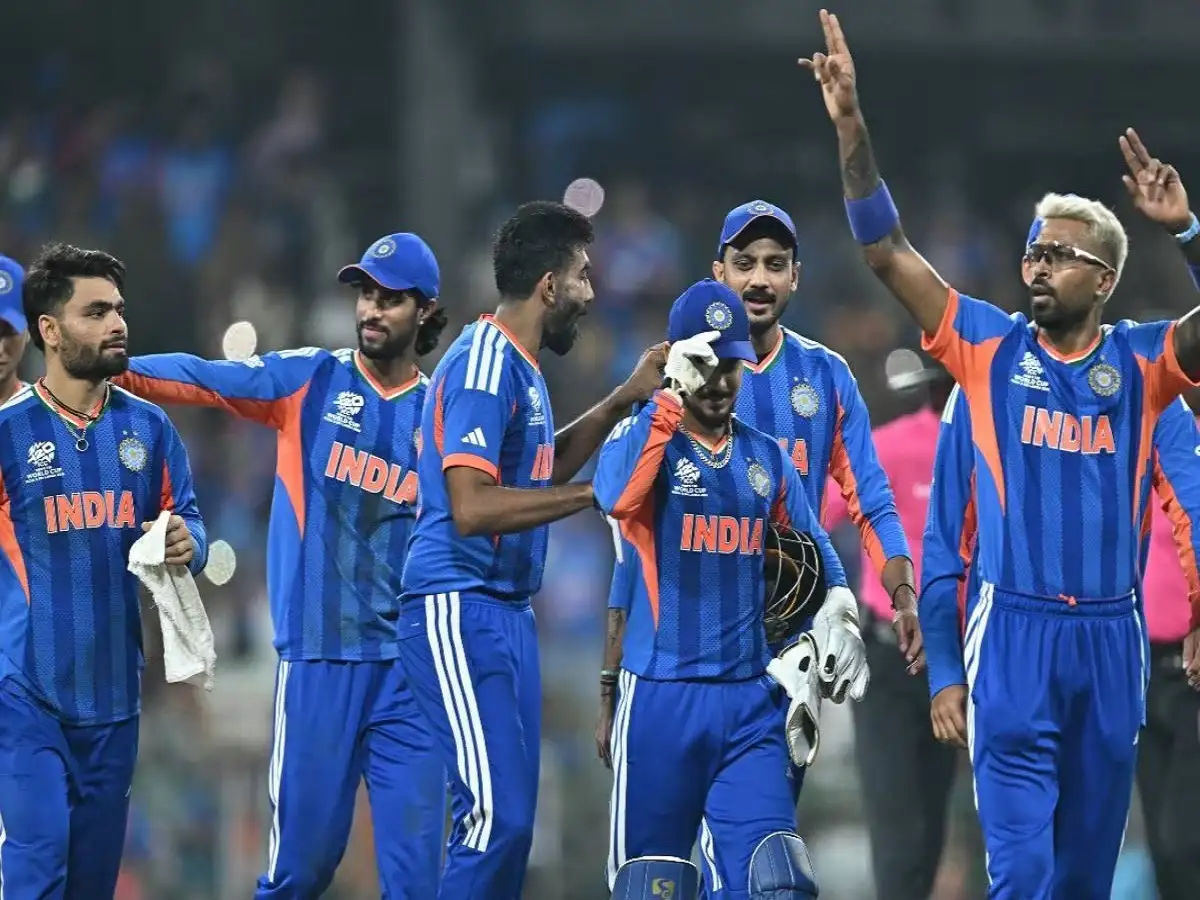
Batting and bowling often dominate discussions around cricket, but fielding can be just as decisive, particularly in the fast-moving T20 format. One brilliant catch can change the momentum of a match, while a dropped opportunity can give a dangerous batter the chance to punish the opposition.
For Team India, catching has emerged as an area of concern in T20 International cricket in 2026. According to the statistics cited in the available data, India have dropped 51 catches across 29 T20I matches so far this year.
The numbers are significant because T20 cricket leaves very little room for mistakes. With matches frequently decided by narrow margins, missed catching opportunities can have a major impact on the outcome.
India’s Catching Efficiency Stands at 74.3%
According to the available figures, India's catching efficiency in T20Is during 2026 stands at 74.3%.
In simple terms, this indicates that India have successfully converted roughly three out of every four catching opportunities that have come their way.
While a 74.3% success rate may initially appear reasonable, the number of missed chances becomes more concerning when viewed in the context of T20 cricket.
A batter who receives a second opportunity can potentially add 20, 30 or even more runs within a short period. If that batter is an established power-hitter, a single dropped catch can quickly become one of the defining moments of a match.
This is why teams place such a strong emphasis on catching drills and overall fielding standards in the shortest format.
India Reportedly Trail West Indies in Catching Efficiency
Another notable aspect of the figures is India's position compared with West Indies.
According to the statistics cited, West Indies have recorded a 75.2% catching efficiency, marginally higher than India's 74.3%.
The difference is less than one percentage point, but it still highlights an area where India have room for improvement.
West Indies have traditionally been associated with athletic fielding and powerful T20 cricket, and the available 2026 numbers suggest that they have converted a slightly greater proportion of their catching opportunities than India.
For Team India, improving this percentage could become important heading into major matches where one missed chance may be enough to swing momentum toward the opposition.
Only Pakistan Reportedly Rank Below India Among Full-Member Teams
The comparison becomes more striking when the figures are narrowed down to ICC Full Member teams.
According to the data cited in the original report, only Pakistan have a lower catching efficiency than India among Full Member sides during the period being considered.
That puts India's fielding performance under greater scrutiny.
India have several players regarded as highly capable fielders, and the team generally places considerable emphasis on fitness and fielding standards. However, the number of dropped catches in 2026 suggests that converting opportunities consistently remains an area requiring attention.
It is also important to distinguish between overall fielding quality and catching efficiency. A team can save runs through ground fielding, direct hits and boundary stops while still struggling to convert catches. The 74.3% figure specifically points toward catching opportunities rather than every aspect of India's fielding.
Why Dropped Catches Matter More in T20 Cricket
The impact of a missed catch can be particularly severe in a T20 match.
Unlike longer formats, a batter does not necessarily need several overs to make the opposition regret a mistake. A powerful hitter can score multiple boundaries immediately after being given a second chance.
For example, dropping a batter during the death overs can result in several additional boundaries before the innings ends. Similarly, failing to take an early catch during a run chase can allow the opposition to build a partnership and reduce pressure.
The consequences can become even greater in knockout games, close run chases or matches decided in the final over.
This is why teams increasingly treat fielding as a specialised part of T20 preparation rather than simply an additional skill alongside batting and bowling.
51 Dropped Catches Highlight an Area India Must Address
The figure of 51 dropped catches in 29 T20 Internationals is therefore more than just an unusual statistic. It highlights an aspect of India's performance that could make a difference in close contests.
Improvement does not necessarily require dramatic tactical changes. Repeated catching practice, better communication between fielders, improved positioning and preparation for high-pressure situations can all contribute to greater consistency.
India possess several athletic and experienced fielders capable of producing outstanding moments on the ground. The challenge will be ensuring that routine and difficult catching opportunities are converted more consistently.
Better Catching Could Make the Difference in Close Matches
T20 cricket is often decided by fine margins. One saved boundary, one direct hit or one completed catch can determine whether a team wins or loses.
For India, the reported 74.3% catching efficiency and 51 dropped chances across 29 T20Is in 2026 indicate that there is clear scope for improvement.
If Team India can convert more of its opportunities in upcoming matches, the benefit could extend beyond the fielding statistics. Taking catches at crucial moments can support the bowlers, disrupt opposition partnerships and prevent dangerous batters from getting a second opportunity.
As India continue their T20 campaign, catching consistency could therefore become one of the important areas to watch.