LIFESTYLE
Skin Itch After Bathing: A boy living in water for 5 years gets a burning sensation as soon as he gets out; what disease is this?

Skin Itch After Bathing: For 5 years, a boy has been comfortable bathing with water, but now his body starts to feel a burning sensation after bathing. Let's learn about this strange condition from doctors.
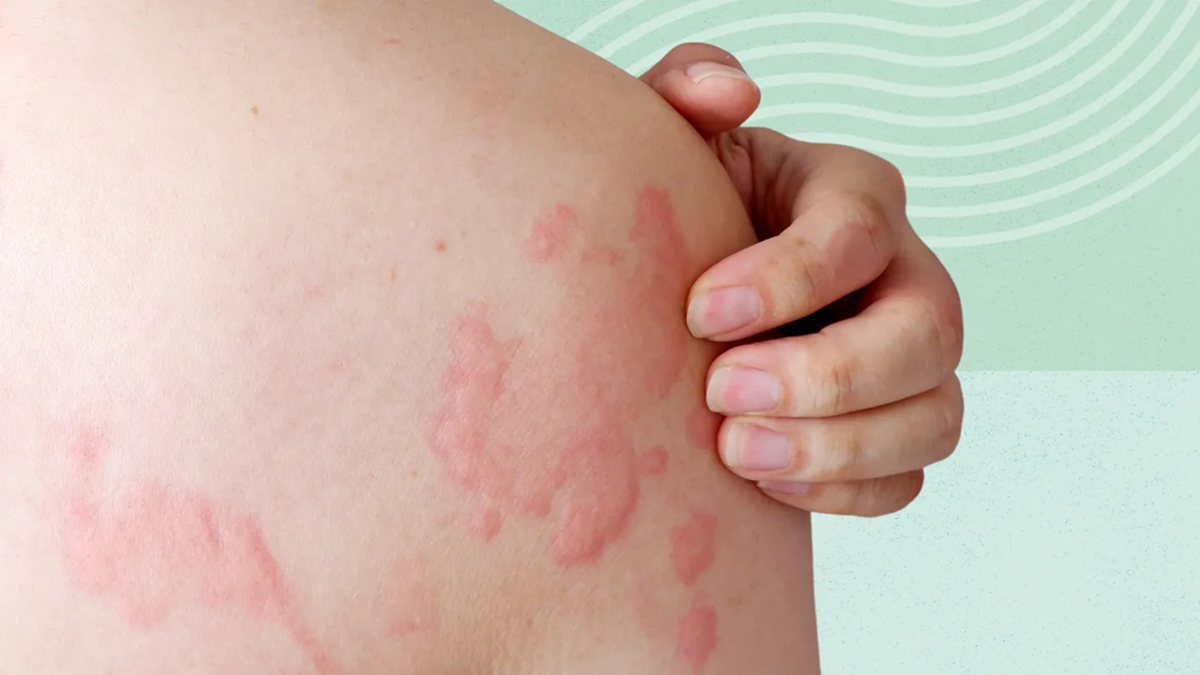
Treating Aquagenic Pruritus
Skin Itch After Bathing: A boy from Murshidabad, West Bengal, spends most of his time in a pond. He's been doing this for about five years. Whenever he gets out of the water, he experiences intense burning and discomfort, but getting back into the water brings relief. Doctors believe this problem may be due to a rare condition called aquagenic pruritus.
This is a unique disease. It causes intense itching, stinging, burning, or pain in the body after coming into contact with water. This disease is difficult to diagnose because, despite the severe discomfort, the skin appears completely normal on the surface.
What is aquagenic pruritus?
Aquagenic pruritus is a rare condition. Pune-based dermatologist Dr. Kritika Sharma believes that the most confusing thing about aquagenic pruritus is that the skin appears completely clear and normal on the surface, yet the patient experiences severe discomfort. Unlike common allergies, it's not necessarily caused by a contaminant or chemical in the water; it can also be caused by normal water.
Why does irritation occur?
Doctors still don't have a definitive answer as to why this condition occurs. Scientists believe that upon contact with water, the skin's nerves begin to function in a strange way, causing intense itching, stinging, or burning. This condition can occur with any type of water and at any temperature. This means that bathing with hot water instead of cold water doesn't provide any relief. While the discomfort begins as soon as water touches the skin, it doesn't cause any skin symptoms like a common allergy.
Is this a sign of some other disease?
Persistent itching caused by water should never be dismissed as mere dry skin. Aquagenic pruritus can occur on its own, but it is sometimes associated with blood disorders such as polycythemia vera. This does not necessarily mean that everyone who experiences itching due to water has a serious blood disorder. In such cases, doctors recommend further testing based on the patient's symptoms, past health, and examination. Dr. Kritika said, itching caused by water does not necessarily mean that there is a serious underlying disease.
Is it possible to treat it?
No single treatment works for all patients with aquagenic pruritus. Doctors use different treatment methods based on the severity of the condition and whether any other underlying conditions are involved. The primary goal of treatment is to alleviate the discomfort and irritation. Furthermore, if an additional condition is detected during testing, it may be necessary to treat it as well. Because this condition is rare and symptoms can vary from patient to patient, treatment is tailored to each individual.