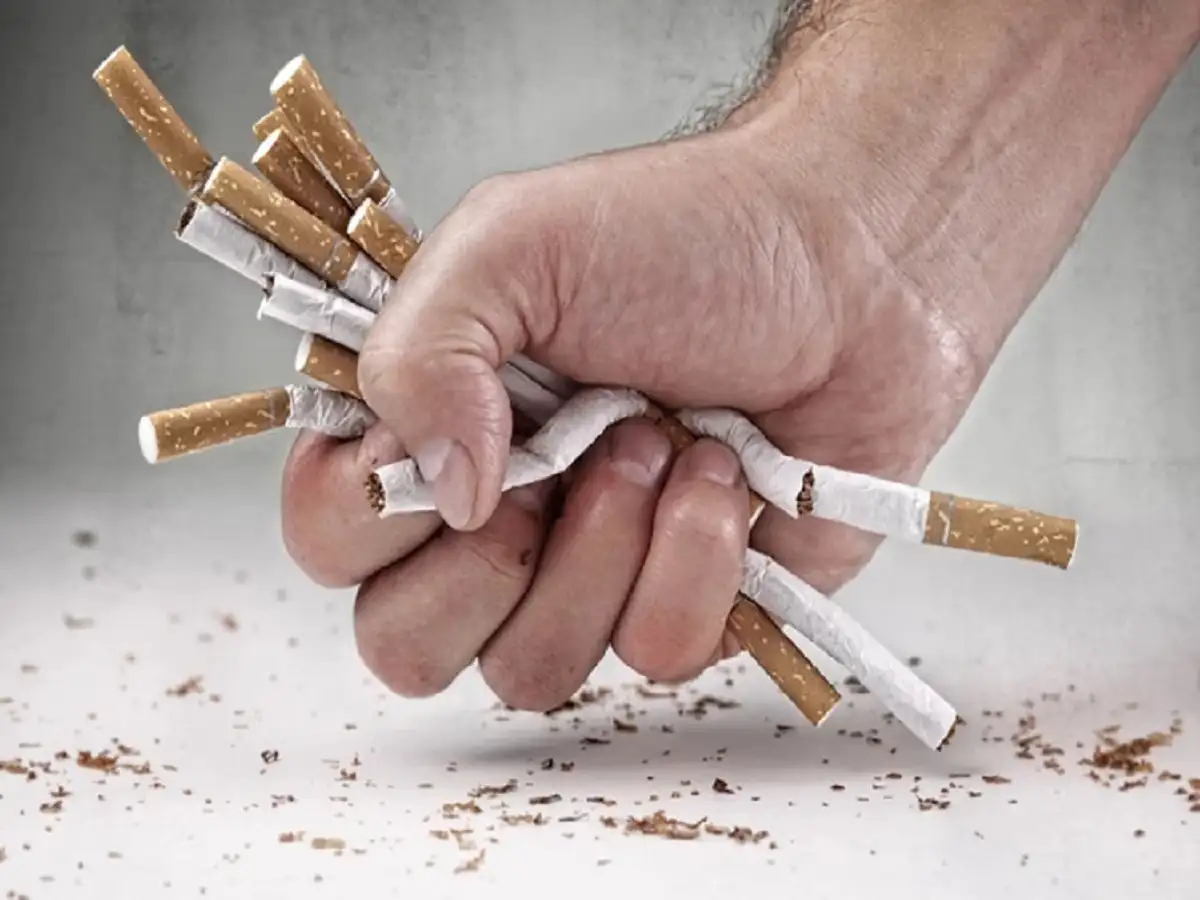
Health Tips: People who have smoked for several years often wonder what happens if they suddenly stop. Can their lungs recover? Will breathing become easier? And can the damage caused by years of cigarette smoke be completely reversed?
According to the information in the source, stopping smoking allows the body's natural recovery processes to begin. Over time, some people may notice improvements in coughing, mucus production and breathing. However, the extent of recovery can vary considerably depending on how long someone smoked and whether permanent lung damage has already developed.
Air pollution can add another challenge. People exposed to both cigarette smoke and polluted air may experience respiratory problems such as persistent coughing or breathlessness. Protecting the lungs, therefore, involves not only quitting smoking but also reducing exposure to other respiratory irritants where practical.
Is It Harmful to Stop Smoking Suddenly?
One concern among long-term smokers is whether quitting cigarettes abruptly could somehow damage the lungs.
The information provided in the source does not suggest that suddenly stopping smoking harms the lungs. Instead, quitting is described as the most important step towards preventing continued exposure to cigarette smoke.
Someone who stops smoking may experience nicotine withdrawal symptoms, but these should not be confused with lung damage caused by quitting.
The respiratory system can gradually begin adjusting after cigarette-smoke exposure stops.
What Happens to the Lungs After You Stop Smoking?
Cigarette smoke repeatedly exposes the airways and lungs to harmful substances.
The source explains that smoking can interfere with the lungs' natural cleaning mechanisms. Mucus and other particles can consequently accumulate in the respiratory tract.
Once smoking stops completely, continued exposure to cigarette smoke is removed and the body gets an opportunity to begin recovering.
Over time, some people may experience less coughing, reduced mucus production and improvements in breathing and lung function.
However, recovery is not identical for everyone.
Can Your Lungs Become Completely Healthy Again?
There is no single answer that applies to every former smoker.
How much improvement occurs depends partly on how much damage was present before the person stopped smoking.
For some people, respiratory symptoms and lung function can improve after quitting. Stopping smoking can also help prevent continued smoke exposure from causing additional harm.
But if a person has already developed significant or permanent lung damage, quitting cigarettes does not necessarily restore the lungs completely to their original condition.
That does not make quitting pointless. Even when some damage cannot be fully reversed, stopping further exposure remains an important step.
Why Might Coughing Change After Quitting?
Some smokers expect their cough to disappear immediately after their final cigarette.
Recovery does not necessarily happen overnight.
The source notes that cigarette smoke affects the lungs' natural cleaning system. As the body adjusts after smoking stops, respiratory symptoms can change over time.
A cough may eventually become less troublesome, and mucus production may also decline.
However, a persistent or worsening cough should not automatically be attributed to the quitting process. A long-lasting cough can have several causes and may require medical assessment.
Does Breathing Improve After Quitting?
Some former smokers may gradually find that breathing becomes easier after they stop smoking.
Improvements in respiratory function can make everyday physical activities feel more manageable, although the amount of improvement varies between individuals.
Someone who already has substantial respiratory disease may continue experiencing breathlessness despite stopping cigarettes.
This is why persistent breathing difficulty deserves medical attention rather than relying only on the assumption that the lungs will eventually repair themselves.
Air Pollution Can Also Affect Lung Health
Smoking is not the only source of harmful respiratory exposure.
Air pollution can place additional strain on the respiratory system, particularly when outdoor air quality becomes very poor.
On heavily polluted days, reducing unnecessary outdoor exposure may help limit contact with polluted air.
People may also consider avoiding strenuous outdoor exercise when pollution levels are particularly high.
An appropriate, well-fitting mask may offer additional protection in certain polluted environments, depending on the type of pollution and mask being used.
Avoid Secondhand Smoke Too
Quitting cigarettes yourself is important, but exposure to other people's cigarette smoke should also be reduced.
Secondhand smoke can expose non-smokers and former smokers to harmful substances from tobacco combustion.
For someone trying to stay smoke-free, regularly spending time around smokers may also make quitting more difficult by triggering cravings.
Keeping the home and other indoor spaces smoke-free can therefore support both respiratory health and the effort to remain tobacco-free.
Can Exercise Help After You Stop Smoking?
Regular physical activity can support general fitness and help maintain cardiovascular and respiratory capacity.
After quitting smoking, gradually becoming more physically active may help some people improve their overall stamina.
Exercise intensity should, however, be appropriate for the individual's health and fitness level.
Someone who experiences significant breathlessness, chest discomfort or other respiratory symptoms should not simply push through those symptoms in an attempt to strengthen the lungs.
People with an existing respiratory or cardiovascular condition should seek medical guidance before starting a demanding new exercise programme.
Don't Ignore a Persistent Cough
A cough can occur for many reasons, ranging from minor respiratory infections to more serious conditions.
Former smokers should pay particular attention if coughing continues for a long time, becomes worse or is accompanied by other concerning symptoms.
The source highlights several symptoms that deserve attention, including persistent coughing, repeated episodes of breathlessness, chest pain or discomfort, frequent respiratory illnesses and continuing difficulty breathing.
These symptoms do not automatically indicate a specific lung disease, but they are reasons to consider professional medical evaluation.
Quitting Is Only the Beginning
Stopping smoking is a major step, but protecting the lungs also involves what happens afterward.
Remaining smoke-free is important. Avoiding secondhand smoke, limiting exposure to heavy air pollution when possible and maintaining an appropriate level of physical activity can form part of a broader approach to respiratory health.
Former smokers should also pay attention to ongoing symptoms rather than assuming that every breathing problem will automatically disappear after quitting.
Can Years of Smoking Damage Be Reversed?
Some effects of smoking may improve after a person stops, while other damage may be long-lasting or permanent.
That distinction is important.
Quitting smoking should not be promoted with an unrealistic promise that every smoker's lungs will become "as good as new." Recovery depends on the person's smoking history, current health and the type and severity of any existing lung damage.
At the same time, previous years of smoking should not be used as a reason to continue. Stopping cigarette exposure prevents continued smoking from adding to the problem and gives the body an opportunity to recover where recovery is possible.
When Should You See a Doctor?
Medical advice should be considered if respiratory symptoms persist or interfere with normal activities.
In particular, prolonged coughing, recurring breathlessness, chest discomfort, repeated respiratory illness or ongoing difficulty breathing should not simply be ignored.
Anyone experiencing severe or sudden breathing difficulty or significant chest pain should seek urgent medical assistance.
For people who find it difficult to quit because of nicotine dependence, professional smoking-cessation support can also be useful rather than repeatedly trying to manage withdrawal alone.
Disclaimer: This article provides general health information based on the supplied source and should not be considered a substitute for professional medical advice, diagnosis or treatment. People experiencing persistent or severe respiratory symptoms should consult a qualified healthcare professional.