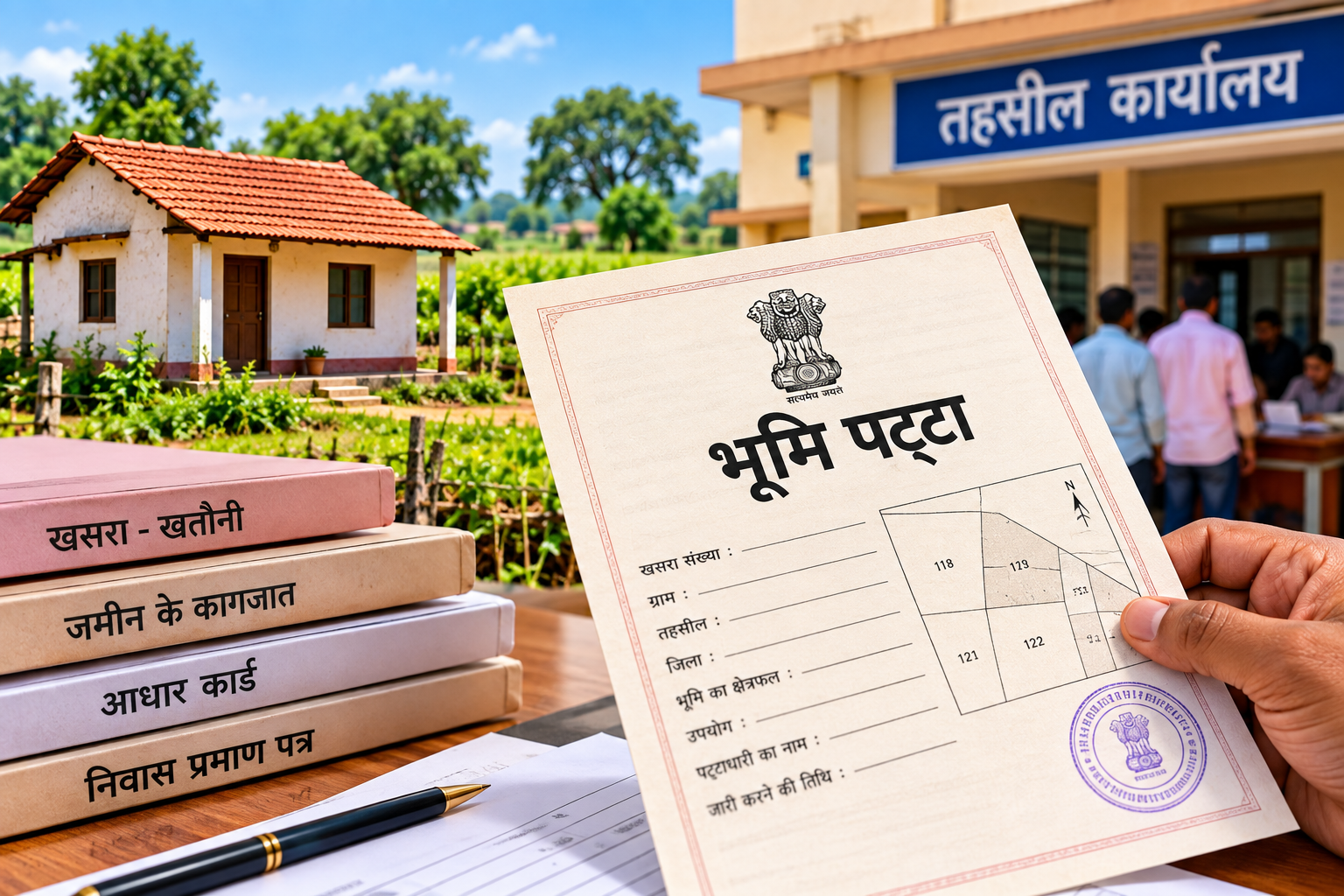
NEWS
Mayor vs Municipal Commissioner: Who Actually Runs an Indian City and How Are Their Powers Different?
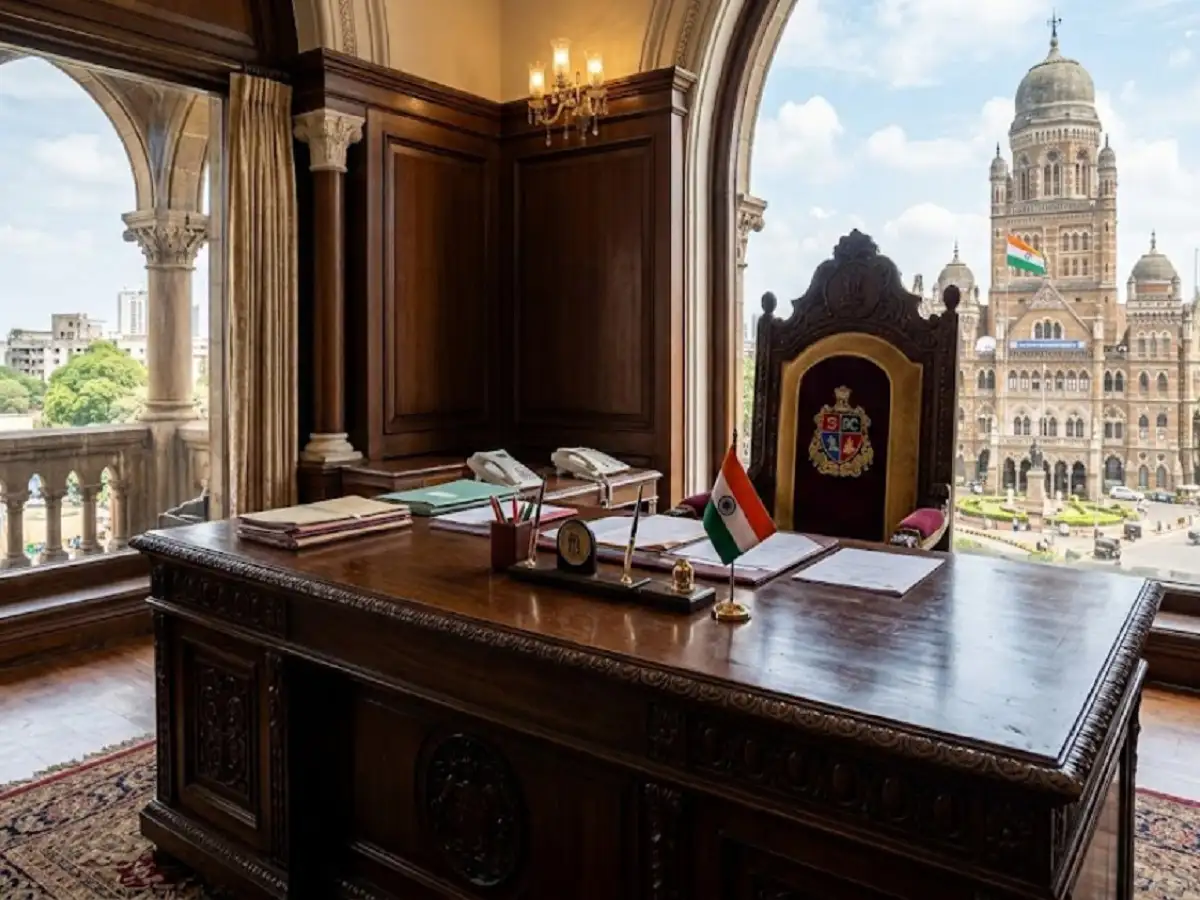
Who actually runs a city in India—the Mayor or the Municipal Commissioner? It sounds like a simple general-knowledge question, but the answer is more complicated than choosing one of the two.
In many countries, a mayor can be the city's principal political as well as executive authority. India's urban governance system works differently. Municipalities are institutions of local self-government, but the exact distribution of powers between elected representatives and appointed officials is largely shaped by state municipal laws. The Constitution leaves important aspects, including the manner of choosing municipal chairpersons, to state legislation.
As a result, the Mayor may be the city's prominent elected political representative, while a Municipal Commissioner or another executive officer may exercise substantial responsibility for everyday municipal administration. The precise balance is not identical across every Indian city.
What Does a Mayor Do?
A Mayor is generally the political and civic head of a municipal corporation.
The Mayor represents the city at official events and plays an important role in the functioning of the elected municipal body. Depending on the applicable state law, the Mayor may preside over corporation meetings and perform other political, deliberative and ceremonial responsibilities.
How a Mayor reaches office also varies. The Constitution allows state legislatures to determine the manner in which the chairperson of a municipality is elected.
This means India's cities do not necessarily follow one identical mayoral model.
Similarly, the extent of the Mayor's executive authority varies from state to state. Therefore, it would be inaccurate to assume that every Mayor in India personally controls all municipal departments and day-to-day civic operations.
Who Is the Municipal Commissioner?
The Municipal Commissioner is generally the senior executive official responsible for administering a municipal corporation under the relevant state municipal law.
Unlike the Mayor and elected councillors, the Commissioner belongs to the administrative side of urban governance.
Depending on the city's governing law and division of responsibilities, the municipal administration may handle essential services such as water supply, sanitation, solid-waste management, roads, drainage, public health functions and implementation of municipal projects.
So, when residents complain about overflowing garbage, damaged municipal roads, drainage problems or delays in municipal services, administrative officials and departments working under the municipal corporation can have an important role in resolving those issues.
However, the Commissioner should not simply be described as the person who independently "runs the entire city." Urban governance can involve the elected corporation, state government, development authorities, utility agencies and other institutions alongside the municipal administration.
Mayor vs Municipal Commissioner: What's the Main Difference?
The easiest way to understand the distinction is to separate political representation from executive administration.
The Mayor is associated with the elected municipal institution and represents its political and civic leadership.
The Municipal Commissioner, meanwhile, is an appointed executive official working within the administrative structure established under the relevant state law.
Their powers can overlap or interact in areas such as municipal budgets, projects and civic services, but the precise division of responsibilities depends on the law applicable to that particular city.
That is why asking whether the Mayor or Commissioner is "more powerful" does not have one universally correct answer for every Indian municipality.
Why Is the 74th Constitutional Amendment Important?
To understand urban government in India, it is important to know about the 74th Constitutional Amendment Act, 1992.
The amendment was designed to strengthen municipalities as institutions of local self-government. However, state legislatures retain a major role in determining what powers and responsibilities are actually devolved to municipalities.
The amendment also introduced the Twelfth Schedule to the Constitution, which identifies 18 functions that may be entrusted to urban local bodies.
These include urban and town planning, regulation of land use and building construction, planning for economic and social development, roads and bridges, water supply, public health, sanitation and solid-waste management.
Other areas include fire services, urban forestry and environmental protection, safeguarding the interests of weaker sections, slum improvement, urban poverty alleviation and various public amenities.
Why Do Powers Differ From One City to Another?
One of the most important points about Indian urban governance is that urban development is primarily a state subject.
The Ministry of Housing and Urban Affairs explains that urban-development matters are assigned by the Constitution to state governments, while the 74th Amendment delegated many functions to urban local bodies.
The Constitution therefore provides an overall framework, but states play a major role in determining the actual structure and powers of their municipal institutions.
This is why the relationship between the Mayor, Municipal Commissioner, elected councillors and other urban agencies can look different in Mumbai, Jaipur, Bengaluru, Chennai, Kolkata or another city.
So, Who Actually Runs the City?
There is no single official who can accurately be described as controlling every aspect of an Indian city.
The Mayor provides elected civic and political leadership, subject to the powers granted under the relevant state law. The Municipal Commissioner and municipal administration generally perform important executive and day-to-day administrative functions.
At the same time, state governments and specialized agencies may control or influence major areas such as urban planning, transport, housing, water, land development and infrastructure.
The better way to understand an Indian city's administration is therefore as a shared governance structure rather than a simple Mayor-versus-Commissioner hierarchy.
The 74th Constitutional Amendment sought to strengthen urban local self-government, but how much authority ultimately reaches municipal institutions—and how it is divided among their officials—continues to depend significantly on state legislation and the administrative framework of each city.