NEWS
Rice and pulses become expensive before festivals, rising prices will spoil the kitchen budget.
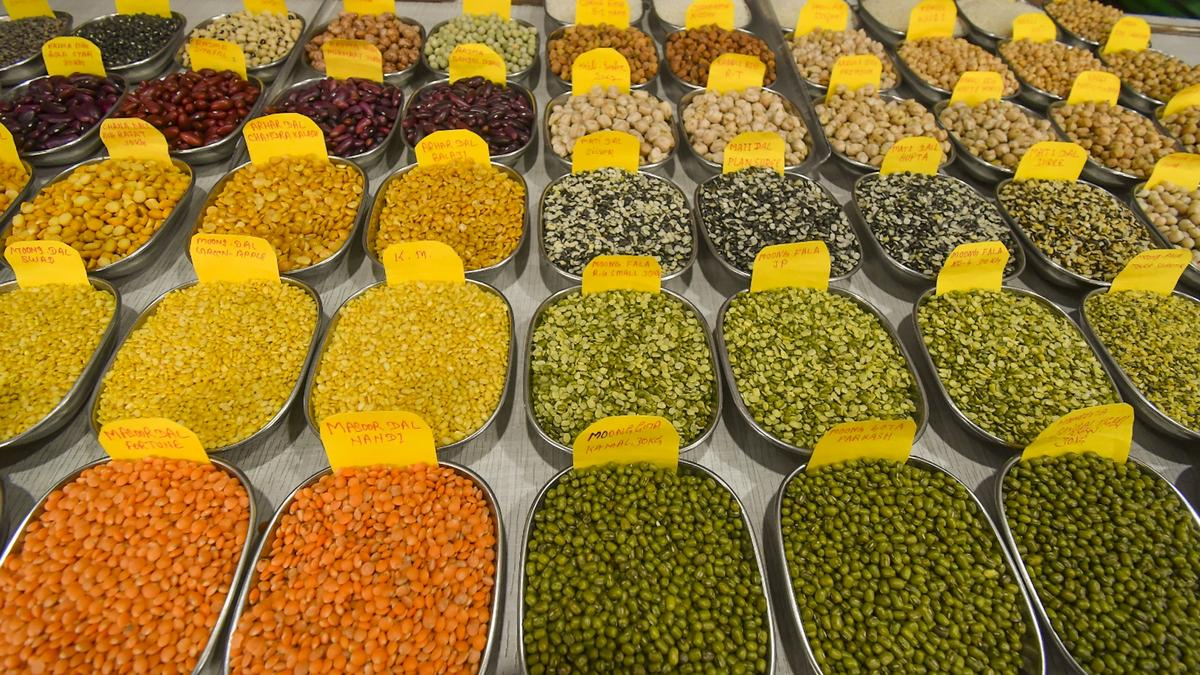
Ahead of the festive season, prices of rice, lentils, ragi, and jaggery have risen in Karnataka. Learn about the impact of a weak monsoon, the potential for further inflation, and the current market rates of grains and pulses.
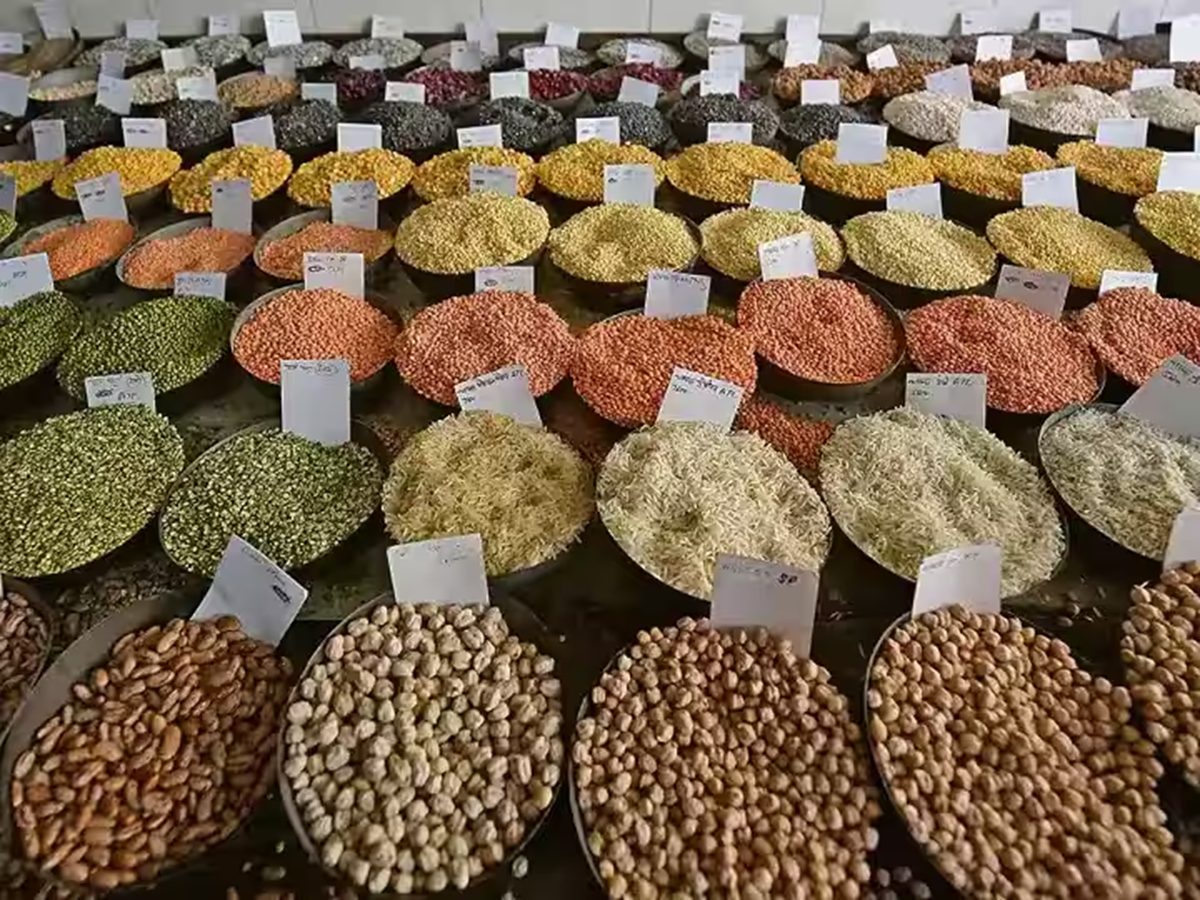
Festive Season Inflation: Ration becomes expensive before the festivals!
With the arrival of the festive season, households begin preparing for dishes and sweets. But this time, festive shopping could also strain the kitchen budget. Prices of rice, lentils, ragi, jaggery, and other essential grains are rising. Consequently, ordinary families may have to spend more money purchasing groceries before Dussehra and Diwali.
According to media reports, a weak monsoon and declining water levels in reservoirs in Karnataka have affected grain cultivation. This has impacted the prices of rice and other food items in the market. According to the report, several rice varieties have become 25 to 30 percent more expensive in the past three months. Meanwhile, grocery prices have reportedly increased by approximately 30 to 40 percent compared to the previous year.
From rice to ragi, how much have prices risen?
Rice is a daily necessity for Indian families. Therefore, its price increase directly impacts monthly household expenditure. The prices of different varieties of rice have risen in Karnataka markets. According to reports, rice that was previously available for 50 to 60 rupees per kg has now reached 70 to 90 rupees per kg.
The price of ragi has also increased. Last year, ragi sold for 35 to 40 rupees per kg, now retails for 55 to 60 rupees. Similarly, the price of jaggery has also risen from around 50 rupees per kg to 80 to 85 rupees per kg.
How much are rice and pulses priced in the market?
Variations in the prices of different varieties of rice and pulses are evident in the wholesale markets of Karnataka. The APMC market prices given in the report are as follows:
| name of the grain | Price per kg |
| Sona Steam Rice | 72-75 rupees |
| Sona Masuri Rice | 80 rupees |
| Kolam rice | 90-95 rupees |
| Idli Rice | 46 rupees |
| Dosa Rice | 35-40 rupees |
| Toor lentil | 130- 160 rupees |
| Bengal gram lentils | 95-100 rupees |
| Bengal Village | 90-95 rupees |
| green gram | 110-120 rupees |
| urad dal | 100-165 rupees |
Why are grain prices rising?
Poor rainfall and water shortages are being cited as major reasons behind the rise in grain prices. Lack of monsoon rains and low reservoir levels have affected the cultivation of paddy, finger millet, sorghum, and other crops.
When crop production is affected, the risk of grain supply shortages in the market increases. This can lead to pressure on prices if supplies are outpaced by demand. Demand for food items also increases during festivals, making the impact of rising prices even more felt by families.