LIFESTYLE
Ear Care Tips: Using Cotton Buds to Clean Your Ears? Know the Hidden Risks and Safe Cleaning Methods
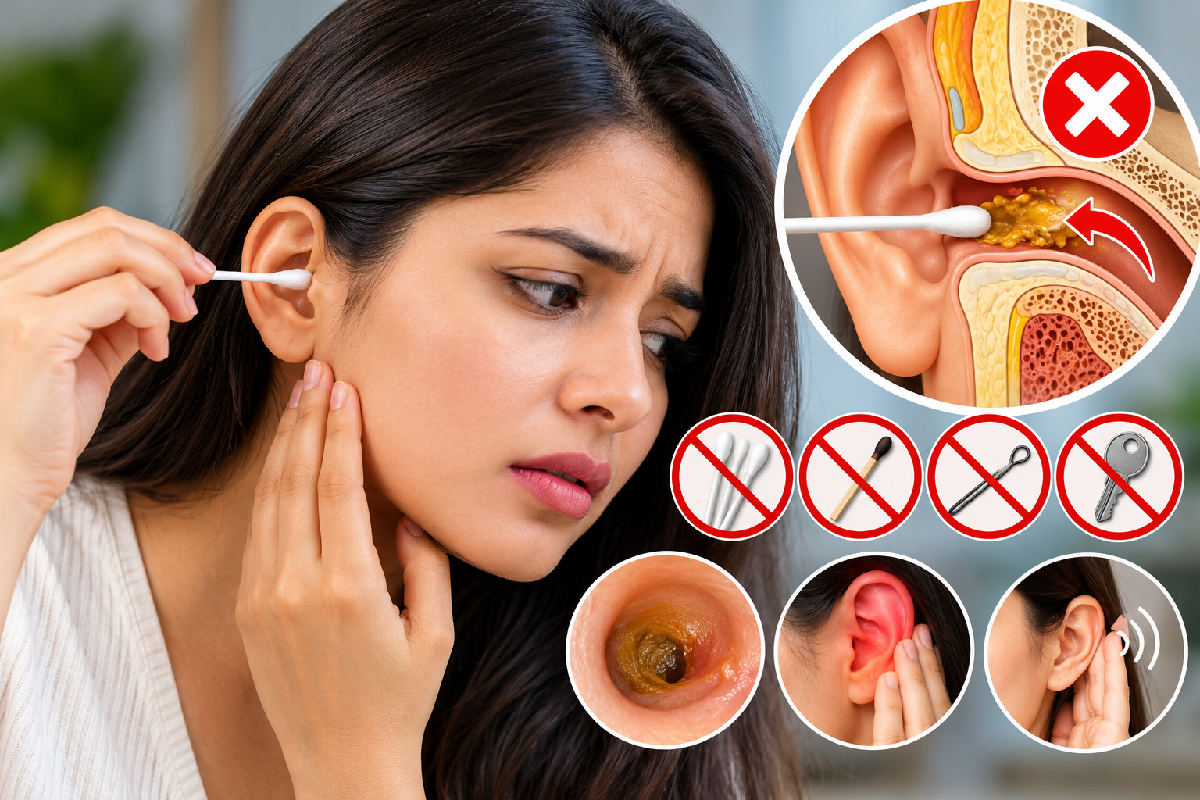
Ear Care Tips: Cleaning your ears with cotton buds may seem like a harmless daily habit, but health experts warn that inserting objects into the ear canal can sometimes do more harm than good. Many people use cotton swabs, matchsticks, hairpins or even keys to remove earwax or relieve itching. However, these practices can increase the risk of ear injuries, wax blockage and hearing problems.
The ears are delicate organs that play an essential role in hearing and balance. While maintaining good ear hygiene is important, the ear canal usually does not need routine cleaning from the inside.
Earwax, commonly considered dirt, is actually a natural protective substance. It helps trap dust, moisturise the ear canal and protect the delicate skin inside the ear.
Understanding how earwax works and why certain cleaning habits can be dangerous may help prevent avoidable ear problems.
Why You Should Avoid Using Cotton Buds Inside Your Ears
Cotton buds are commonly used for personal hygiene, but they are not recommended for cleaning deep inside the ear canal.
When a cotton swab is inserted into the ear, it may push earwax further inward instead of removing it.
Over time, this can lead to impacted earwax, a condition in which wax accumulates and blocks the ear canal.
Repeated cleaning may also irritate the sensitive skin inside the ear, causing discomfort or inflammation.
In some cases, inserting a cotton bud too deeply can damage the eardrum.
This is particularly dangerous when someone accidentally moves their hand or another person bumps into them while they are cleaning their ears.
For these reasons, doctors generally recommend avoiding cotton swabs and other objects inside the ear canal.
What Is Earwax and Why Does the Body Produce It?
Earwax is medically known as cerumen. It is a natural substance produced by glands in the outer portion of the ear canal.
Although many people associate earwax with poor hygiene, its presence is normal and beneficial.
Earwax performs several important functions that help maintain ear health.
1. Protects Against Dust and Dirt
Earwax helps trap dust, dirt and other small particles before they travel deeper into the ear canal.
This protective mechanism reduces the amount of foreign material reaching sensitive areas of the ear.
2. Prevents Dryness and Irritation
The skin inside the ear canal is delicate and can become dry or irritated.
Earwax helps lubricate this skin and maintain a protective barrier.
Removing too much wax may contribute to dryness, itching and discomfort.
3. Supports the Ear's Natural Cleaning Process
The ears have a natural self-cleaning mechanism.
Normal jaw movements, including talking and chewing, help older earwax gradually move toward the outer ear.
Once it reaches the opening, the wax may dry and fall away naturally.
This means most people do not need to insert anything into their ears to remove wax.
What Happens When Earwax Builds Up?
Although earwax is useful, excessive accumulation can sometimes cause problems.
When wax becomes tightly packed inside the ear canal, it may create a blockage known as earwax impaction.
This condition can interfere with hearing and cause discomfort.
Some people naturally produce more earwax than others.
The shape of the ear canal, age-related changes and the use of hearing aids or in-ear devices can also influence wax accumulation.
Attempting to remove the wax with a cotton bud may make the blockage worse by pushing it closer to the eardrum.
In such cases, professional examination and treatment may be necessary.
Common Symptoms of Earwax Blockage
Earwax impaction can produce several symptoms.
However, these symptoms may also occur with infections or other ear conditions, so they should not automatically be blamed on wax.
Common signs include:
- A blocked or full sensation inside the ear
- Reduced or muffled hearing
- Persistent itching or irritation
- Ear discomfort or pain
- Ringing or buzzing sounds, known as tinnitus
- A feeling of pressure inside the ear
Some people may experience symptoms in only one ear, while others may notice discomfort in both.
If symptoms persist or become worse, medical evaluation is recommended.
Five Possible Risks of Cleaning Ears With Cotton Buds
1. Earwax Can Be Pushed Deeper
One of the most common problems is that cotton swabs may push wax toward the eardrum.
This can create a tightly packed blockage that becomes difficult to remove at home.
2. The Ear Canal Can Become Injured
The ear canal contains delicate skin that can be scratched easily.
Repeated insertion of cotton buds or other objects may cause minor injuries, irritation or bleeding.
3. Risk of Eardrum Damage
Inserting an object too deeply may injure or perforate the eardrum.
A damaged eardrum can cause pain, hearing changes and sometimes discharge from the ear.
4. Increased Risk of Infection
Scratches and irritation can disrupt the ear canal's protective barrier.
This may increase susceptibility to infections, including inflammation of the outer ear canal.
5. Temporary Hearing Difficulties
When earwax becomes impacted, sounds may seem quieter or muffled.
Although hearing often improves after the blockage is safely removed, hearing loss should never be assumed to be caused only by wax.
Is It Safe to Use Matchsticks, Keys or Hairpins?
No. Inserting sharp or rigid objects into the ear canal is particularly risky.
Items such as matchsticks, safety pins, hairpins and keys can scratch the ear canal or cause serious injuries.
Even objects that appear smooth may damage sensitive tissues if inserted too deeply.
These objects should never be used for ear cleaning.
If something becomes stuck inside the ear, do not attempt to remove it with another object. Seek medical assistance instead.
How to Clean Your Ears Safely at Home
For most people, cleaning the visible outer ear is enough.
A few simple habits can help maintain ear hygiene without disturbing the ear canal.
Clean only the outside: Use a soft, clean cloth to gently wipe the outer ear and the area around the ear opening.
Avoid inserting objects: Do not place cotton buds, fingers, pins or other objects inside the ear canal.
Let the ears clean themselves: Normal earwax usually moves outward naturally without intervention.
Seek advice for stubborn wax: If you experience persistent blockage or hearing difficulties, consult a healthcare professional.
Use earwax-softening products only when appropriate: Some people may benefit from pharmacy ear drops, but these are not suitable for everyone. People with ear pain, discharge, a suspected perforated eardrum, ear tubes or previous ear surgery should seek medical advice before using them.
Professional earwax removal may involve carefully selected methods depending on the condition of the ear.
Why Do Ears Itch Even Without Excess Wax?
An itchy ear does not always mean it needs cleaning.
Several conditions can cause itching inside or around the ear.
Dry skin is one possible explanation.
Skin conditions such as eczema or dermatitis may also affect the ear.
Infections, irritation from earphones or sensitivity to certain products can produce similar symptoms.
Frequent cleaning may actually worsen itching by removing the natural protective wax layer.
If itching continues, becomes painful or is accompanied by discharge, consult a doctor instead of repeatedly cleaning the ear.
Can Earphones and Earbuds Affect Earwax?
People who regularly use in-ear headphones, earbuds or hearing aids may sometimes experience changes in how earwax moves through the ear canal.
Devices that sit inside the ear can interfere with the natural outward movement of wax in some individuals.
However, this does not mean everyone who uses earbuds will develop a blockage.
Keeping devices clean, using them appropriately and avoiding unnecessary ear cleaning may help reduce irritation.
If hearing becomes muffled or the ear feels persistently blocked, professional evaluation is advisable.
When Should You Visit an ENT Specialist?
An ear, nose and throat specialist can examine the ear canal and determine whether symptoms are caused by wax, infection or another problem.
Medical advice is particularly important if you experience persistent hearing difficulties, recurring ear pain, ongoing itching or repeated wax blockages.
An ENT specialist can assess whether wax removal is necessary and select an appropriate treatment.
Professional removal is generally safer than attempting to extract impacted wax with household objects.
Sudden Hearing Loss Is a Medical Emergency
One warning sign deserves special attention: sudden loss of hearing.
If hearing decreases suddenly, particularly in one ear, seek urgent medical assessment.
Sudden hearing loss can sometimes be caused by conditions that require time-sensitive treatment.
Do not assume that sudden deafness or a sudden blocked-ear sensation is simply due to earwax.
Ideally, seek medical assessment the same day, even if there is no pain.
Similarly, severe ear pain, bleeding, significant dizziness or discharge after an ear injury requires prompt medical attention.
Ear Care: Safe Habits vs Risky Habits
| Safe Ear Care Habits | Habits to Avoid |
|---|---|
| Gently cleaning the outer ear with a soft cloth | Inserting cotton buds deep into the ear |
| Allowing normal earwax to move outward naturally | Trying to remove all earwax |
| Seeking medical advice for persistent blockage | Using keys, pins or matchsticks |
| Consulting a doctor for hearing changes | Ignoring sudden hearing loss |
| Using suitable treatments under professional guidance | Trying unverified home remedies |
Frequently Asked Questions
Is earwax harmful?
No. Normal earwax is a natural protective substance. It becomes a concern when excessive accumulation causes symptoms or blocks the ear canal.
Can cotton buds cause hearing loss?
Cotton buds may push wax deeper and cause temporary hearing difficulties. Injuries to the eardrum or other structures can also affect hearing.
Should I clean my ears every day?
Routine cleaning inside the ear canal is generally unnecessary. Gently wiping the visible outer ear is usually sufficient.
Can I remove hard earwax at home?
Some earwax-softening treatments may be appropriate for certain people, but hard or impacted wax should not be removed using sharp objects or cotton buds. Seek medical advice if you have symptoms.
Why do my ears feel blocked?
A blocked sensation can result from earwax accumulation, infection, pressure-related problems or other medical conditions. An examination may be needed to identify the cause.
Is ear candling safe?
No. Ear candling is not recommended because it has no proven benefit for removing earwax and can cause burns or other injuries.
When should I worry about ear pain?
Seek medical attention if ear pain is severe, persistent or accompanied by fever, discharge, bleeding, dizziness or hearing loss.
Final Thoughts
Healthy ears do not need aggressive cleaning.
Earwax is a natural part of the body's protective system, helping keep the ear canal moisturised and reducing exposure to dust and other particles.
Although cotton buds may appear convenient, inserting them into the ear canal can push wax deeper and increase the risk of irritation or injury.
The safest everyday approach is to clean only the visible outer ear with a soft cloth and allow the ear's natural cleaning process to work.
If you experience persistent blockage, pain or reduced hearing, consult a healthcare professional rather than attempting to remove wax with household objects. Sudden hearing loss requires urgent medical attention.
Medical Disclaimer: This article provides general health information and is not a substitute for professional medical advice, diagnosis or treatment. Consult a qualified healthcare professional for persistent ear symptoms or concerns about hearing.