If you notice a red rash on your body along with a fever, don't ignore it, thinking it's just a common viral infection. Dengue can also show similar symptoms, but consulting a doctor is essential for a proper diagnosis.

Symptoms of Dengue Fever
The risk of mosquito-borne diseases increases during the summer and rainy seasons . Dengue is one such disease, which can cause high fever, body aches, and red skin rashes. However, fever and red rashes don't always indicate dengue. Many other viral and infectious diseases can also show similar symptoms. Therefore, it's not right to assume dengue based on symptoms alone. Let's explore the symptoms that can accompany dengue fever and red rashes.
What are the symptoms of dengue?
According to the World Health Organization (WHO), dengue can cause high fever, headache, pain behind the eyes, muscle and joint pain, nausea, vomiting, and a skin rash. Dengue symptoms typically begin four to 10 days after being bitten by an infected mosquito. Most people experience mild illness and recover within one to two weeks. However, in some cases, dengue can become severe.
What should you understand if you see red rashes?
A skin rash or red spots are common symptoms of dengue. However, a rash alone cannot be used to confirm that a person has dengue. A rash accompanied by fever can also occur in other viral illnesses or infections. Therefore, if the fever persists and is accompanied by symptoms such as body aches, headache, vomiting, or a rash, it is important to consult a doctor. Your doctor can confirm dengue through a blood test if necessary, along with the symptoms.
Be careful even if the fever subsides.
An important point to remember in dengue is that a fever subsiding doesn't always signal complete recovery. According to the WHO, warning signs of severe dengue can often appear around the time the fever subsides. Symptoms such as severe abdominal pain, persistent vomiting, bleeding from the nose or gums, extreme weakness, rapid breathing, blood in vomit or stool, and cold or pale skin can indicate a serious condition. If these symptoms occur, seek medical help immediately.
What to do if you suspect dengue?
If fever is accompanied by symptoms such as a rash or severe body aches, it is important to consult a doctor. There is no specific antiviral medication for dengue, so treatment focuses on rest, adequate fluids, and medical care tailored to your symptoms. According to the WHO, paracetamol can be used for fever and pain, but medications such as aspirin and ibuprofen should be avoided as they can increase the risk of bleeding. It is best to take any medication only after consulting a doctor.
Protection from mosquitoes is also important.
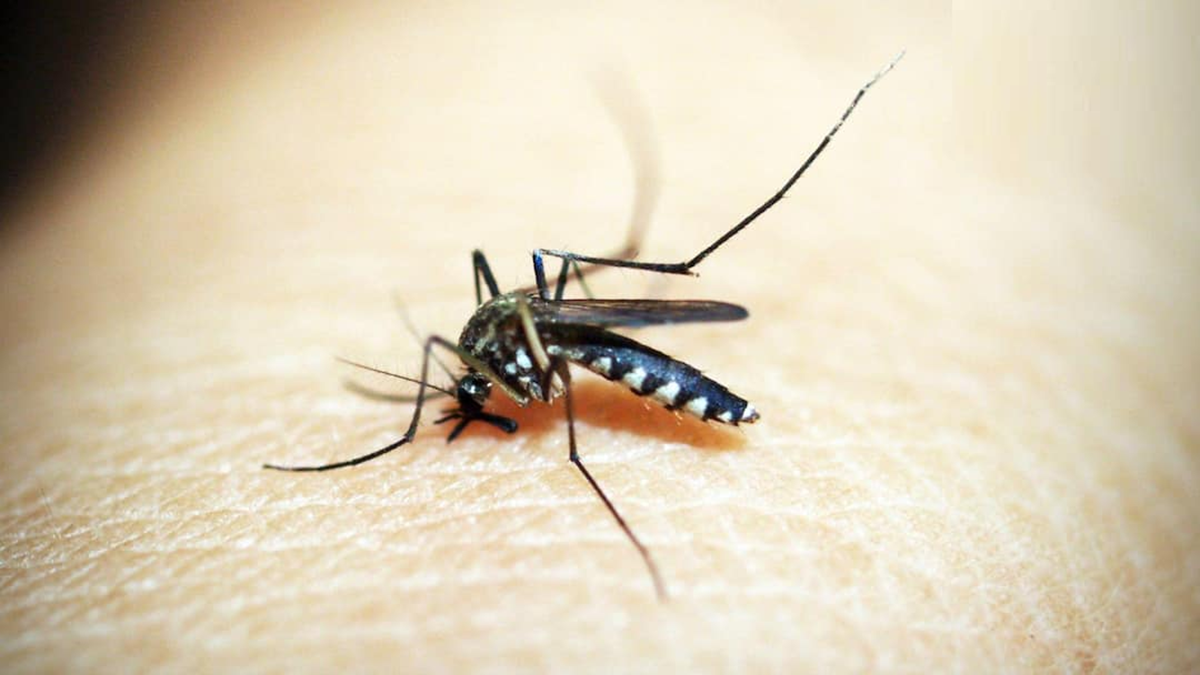
The best way to prevent dengue is to avoid being bitten by an infected mosquito. The Aedes mosquito, which spreads dengue, is active during the day, so simply using a mosquito net at night isn't enough. Removing standing water around the house, covering water tanks and containers, wearing long-sleeved clothing, and using mosquito repellents as needed can help. If someone has dengue, it's also important to protect yourself from mosquitoes during the illness to prevent mosquitoes from carrying the virus from the infected person to others.