LIFESTYLE
Perimenopause Can Start Years Before Menopause: Doctor Explains 8 Signs Women Should Not Ignore
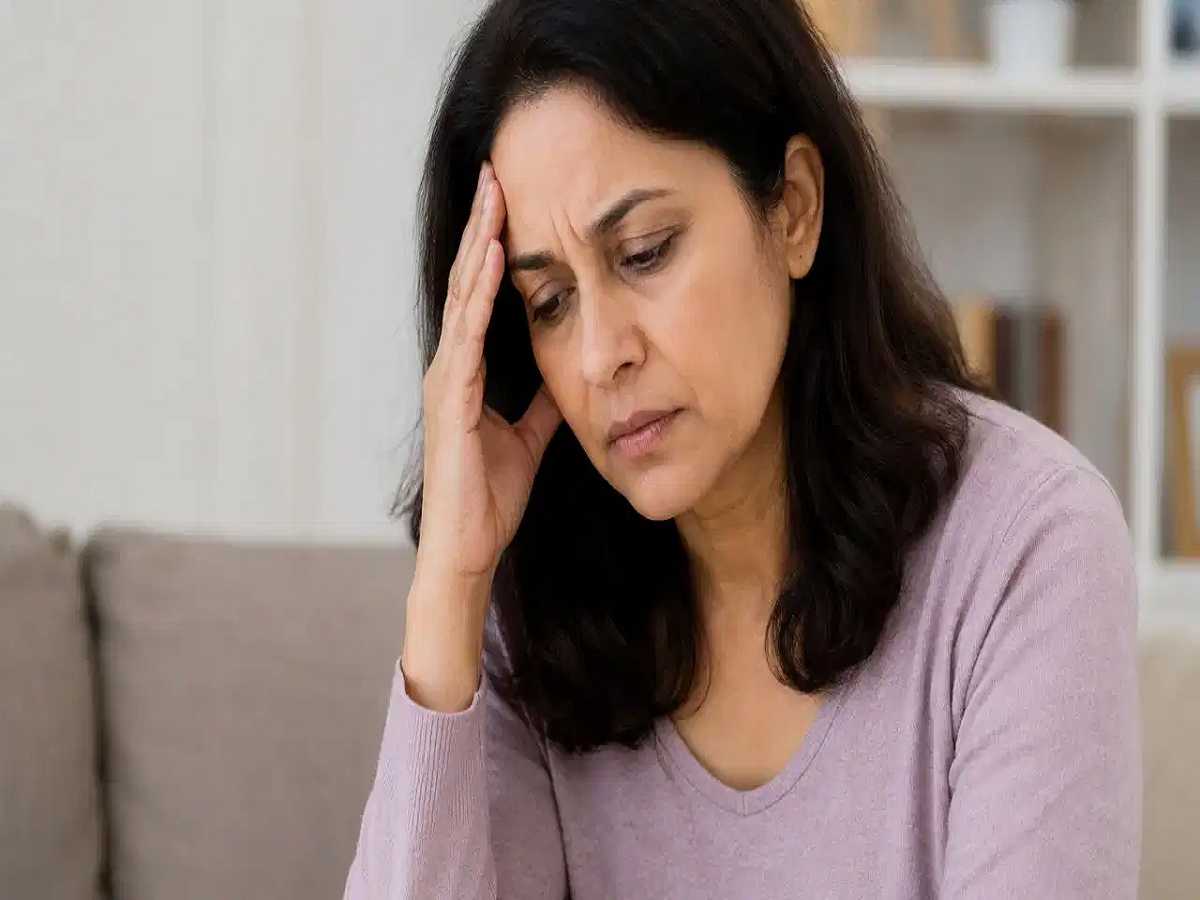
Menopause is a natural stage in a woman's life, generally defined as the point when menstrual periods have stopped for 12 consecutive months. However, the transition does not happen overnight. Before reaching menopause, many women go through another phase known as perimenopause, during which hormonal changes can begin affecting periods, sleep, mood and overall health.
Despite being an important stage of reproductive ageing, many women may not immediately recognise the symptoms of perimenopause. Changes in periods or mood, for example, may simply be attributed to stress, work pressure or ageing.
Dr. Ruchi Bhandari, Director of the Department of Obstetrics and Gynecology at Yatharth Super Specialty Hospital, explains that understanding these changes can help women recognise symptoms and seek appropriate medical advice when necessary.
What Is Perimenopause?
Perimenopause refers to the transitional period leading up to menopause.
During this phase, levels of reproductive hormones such as estrogen and progesterone can fluctuate. These hormonal changes can affect the menstrual cycle and may also cause several physical and emotional symptoms.
The experience can be very different for each woman. Some may notice only minor changes, while others may experience symptoms significant enough to interfere with their daily routine.
Recognising these changes is important because not every symptom should simply be dismissed as a normal part of getting older.
1. Irregular Periods Can Be an Early Sign
According to the doctor, one of the most common signs associated with perimenopause is a change in menstrual cycles.
Periods that were previously predictable may become irregular. They may arrive earlier than expected or be delayed by several weeks. Some women may occasionally go for longer periods without menstruating.
The amount of bleeding can also change. Menstrual flow may become heavier or lighter compared with what a woman normally experiences.
However, irregular periods are not always caused by perimenopause. Several other medical or hormonal factors can affect menstrual cycles, which is why persistent or unusual changes should be discussed with a healthcare professional.
2. Hot Flashes and Night Sweats
Sudden feelings of intense warmth, commonly called hot flashes, are another symptom that some women may experience during the transition.
These episodes can occur during the day or at night. When they happen while sleeping, they may cause night sweats and disturb sleep.
The frequency and severity can vary significantly. Some women may experience them occasionally, while others may find them disruptive.
3. Sleep Problems
Hormonal fluctuations, night sweats and other changes associated with perimenopause can affect sleep quality.
Women may find it harder to fall asleep, wake frequently during the night or feel that they have not rested properly even after spending enough time in bed.
Poor sleep can subsequently contribute to daytime tiredness, irritability and difficulty concentrating.
4. Mood Changes and Irritability
Emotional changes can also occur during perimenopause.
Some women may notice mood swings, increased irritability or changes in how they respond to everyday stress. These symptoms can sometimes overlap with the effects of poor sleep, work pressure and other life circumstances.
If mood-related symptoms become persistent, severe or begin affecting everyday functioning, discussing them with a healthcare professional is advisable.
5. Fatigue and Difficulty Concentrating
Feeling unusually tired or having difficulty focusing can sometimes accompany the hormonal transition.
These problems may also be connected with disrupted sleep or other health factors. Therefore, persistent fatigue or concentration difficulties should not automatically be assumed to be caused by perimenopause.
A medical evaluation can help identify whether another underlying issue needs attention.
6. Vaginal Dryness and Discomfort
Hormonal changes can also affect vaginal tissues.
Some women may experience vaginal dryness or discomfort during sexual activity. Although these symptoms can feel difficult to discuss, they are important health concerns and can be addressed with appropriate medical guidance.
Women experiencing persistent discomfort should speak with a gynaecologist rather than simply tolerating the problem.
7. Changes in Skin and Body Composition
Some women may also notice changes in their skin, body weight or overall body composition during midlife.
Ageing, hormonal changes, activity levels, diet, sleep and several other factors can contribute to these changes.
Maintaining healthy lifestyle habits becomes increasingly important during this stage.
8. Symptoms Can Be Different for Every Woman
There is no single pattern that applies to everyone experiencing perimenopause.
One woman may experience significant menstrual changes but few other symptoms, while another may primarily struggle with hot flashes, sleep disturbances or mood changes.
For some, symptoms remain mild. For others, they can significantly affect work, relationships, sleep and everyday activities.
Why Health Management Becomes Important in Midlife
According to the doctor, taking a proactive approach to health becomes particularly important for women during midlife.
A balanced diet with adequate protein and calcium, regular physical activity, sufficient sleep and effective stress management can support overall wellbeing.
Avoiding smoking and limiting excessive alcohol consumption are also important health measures.
Women should also pay attention to important health indicators, including bone health, cardiovascular health, body weight and blood pressure, and undergo appropriate health checks based on their doctor's recommendations.
Does Every Woman Need Hormone Therapy?
No. Hormonal changes during perimenopause do not automatically mean that something is wrong, and hormone therapy is not necessary for every woman.
Treatment decisions should be individualised according to symptoms, medical history, risk factors and overall health.
Women experiencing troublesome symptoms should discuss available options with their doctor rather than starting hormonal treatments or supplements on their own.
When Should You See a Doctor?
Although menstrual changes can occur during perimenopause, certain symptoms deserve medical attention.
Women should consult a healthcare professional if they experience unusually heavy or abnormal bleeding, bleeding after a prolonged gap, or symptoms that significantly interfere with everyday life.
Irregular periods can have causes other than perimenopause, so medical evaluation may be necessary to determine what is happening.
Perimenopause is a natural transition, but women do not have to simply tolerate symptoms that affect their quality of life. Understanding the signs, maintaining healthy habits and seeking timely medical guidance can make the transition through perimenopause and eventually menopause easier to manage.