LIFESTYLE
How to Cook in a Kadai: How to use a kadai as a pressure cooker? Cooking will become easier.
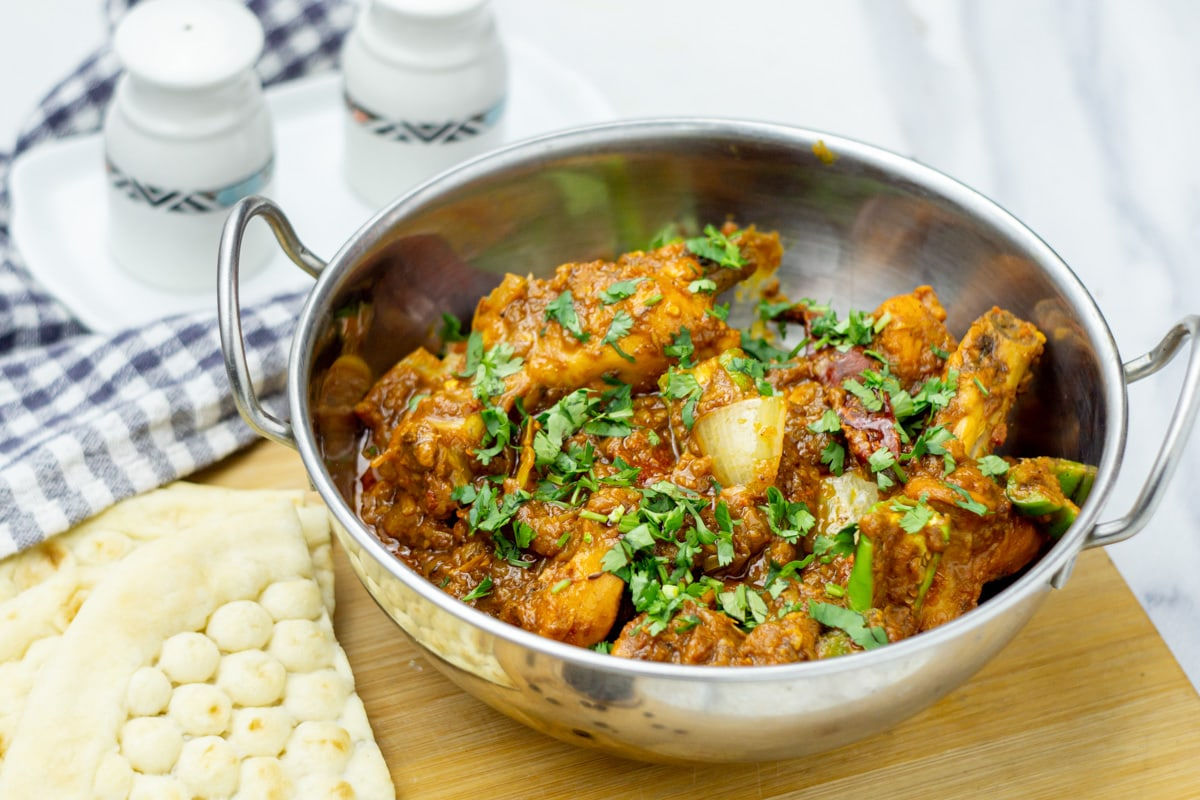
Cooking Hacks: By covering the pan with a lid, the food is cooked on low heat using steam and heat. In a pressure cooker, pressure builds up inside, allowing food to cook in less time.
Method of cooking by putting dum in the pan
Kadhai Vs Pressure Cooker Cooking Guide: In Indian kitchens, a kadhai is a common utensil found in almost every household. From cooking vegetables to stir-fries and tempering spices, it's used in a variety of dishes. The kadhai's round and deep shape sets it apart from other common pans. This makes it easy to stir, fry, and simmer food in it.
But did you know that a wok isn't just used for frying vegetables or stir-frying? By covering it properly, it can also cook many dishes that are typically made in a pressure cooker. Especially when you need to cook food over low heat, a wok can be very useful.
What is the benefit of cooking food by putting it in a pan?
The depth and rounded shape of the wok allows for easy stirring and retains heat for a long time. Cooking over low heat allows the spices in vegetables and curries to infuse well with flavor. Properly covering the wok allows for a significant amount of heat and steam to remain within, allowing food to cook slowly and develop flavors in many dishes.
The right way to cook the kadhai
First, choose a pan that's deep enough to cook food comfortably. Place the pan on the stove and heat it slightly. Then, add the required amount of oil and begin sautéing the spices or vegetables. Once the spices are thoroughly cooked and the remaining ingredients have been added, reduce the heat. Cover the pan with an appropriately sized lid. The lid should fit snugly so that excess steam doesn't escape.
After this, let the food cook over low heat. Opening the lid and checking frequently can allow steam to escape, so avoid opening the lid excessively. If the dish is at risk of sticking to the bottom or burning, you can gently stir it once in a while.
In what things will this technology be useful?
A variety of Indian dishes can be prepared by steaming them in a kadhai, such as potato-cauliflower, ladyfinger masala, chicken curry, mushroom masala, and other vegetable curries. This method is especially useful for dishes that require slow cooking. Covering vegetables like potato and cauliflower allows them to soften slowly. Cooking chicken or other curries over low heat allows the spices to fully absorb their flavor. Lentils can also be cooked in a kadhai, although it doesn't create the pressure like a pressure cooker. After cooking the lentils, the spices can be tempered in hot oil or ghee in the kadhai itself.
How does the round shape of the embroidery help?
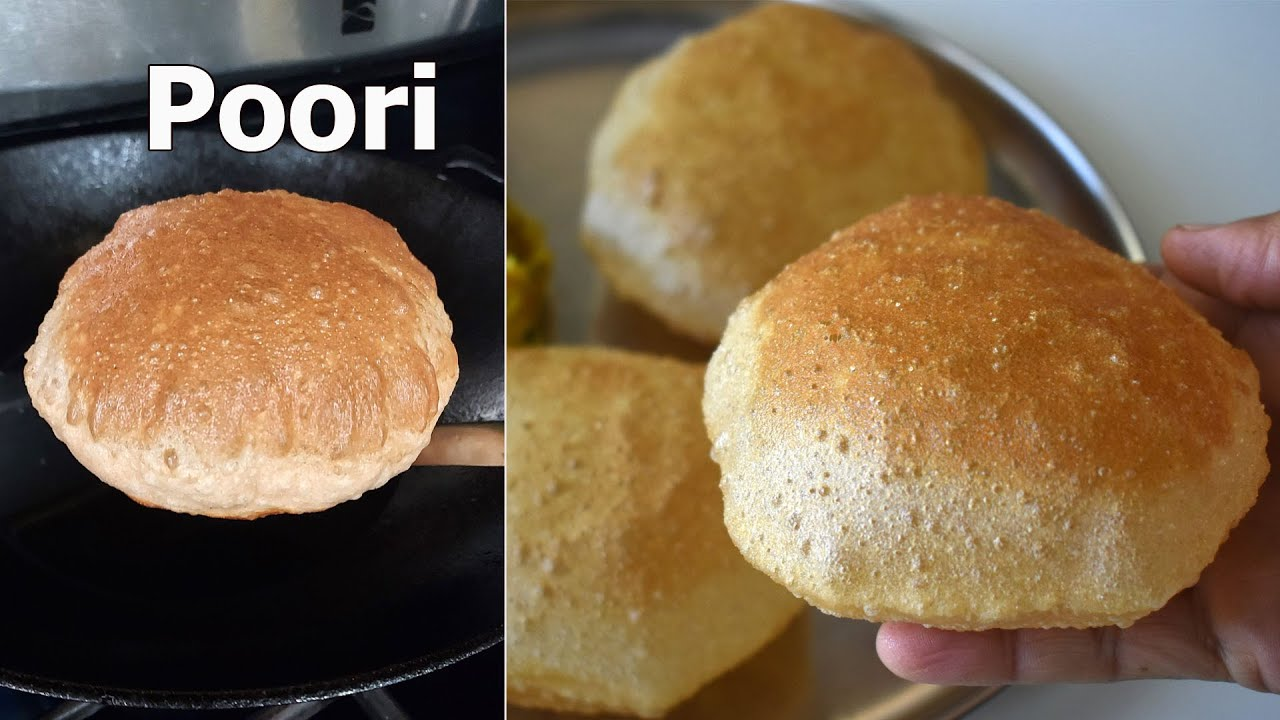
The round, deep base of the kadhai is very useful during cooking. Its base traps heat well, and the rounded edges make stirring the ingredients easy. The deep center of the kadhai is also useful for deep-frying. Items like puris, pakoras, and samosas can be easily fried in it. Its deep shape also helps prevent splashes when cooking curries or vegetables.
Keep these things in mind while cooking in a pan
The most important thing when cooking food over dum is to be mindful of the heat. Medium or high heat can be used to initially sauté the ingredients, but after covering, it's better to maintain a low heat. High heat can burn the food at the bottom. Avoid overcrowding the pan. Adding too much can make it difficult to stir properly and may take longer for the food to cook evenly. If using a cast iron pan, it's best to heat it slowly. Avoid using metal spoons or sharp utensils on a non-stick pan to avoid damaging the coating.
It is important to understand the difference between a kadhai and a pressure cooker
By cooking with a lid on the pan, the food is cooked using steam and heat over low heat. In contrast, a pressure cooker creates pressure inside, allowing food to cook in a shorter time. Therefore, using a pan as a pressure cooker doesn't mean creating pressure like a pressure cooker. It simply means using the technique of cooking on low heat with the lid on.