LIFESTYLE
Gut Bacteria species: 14 new bacteria found in Indian tribes, why is the discovery special?
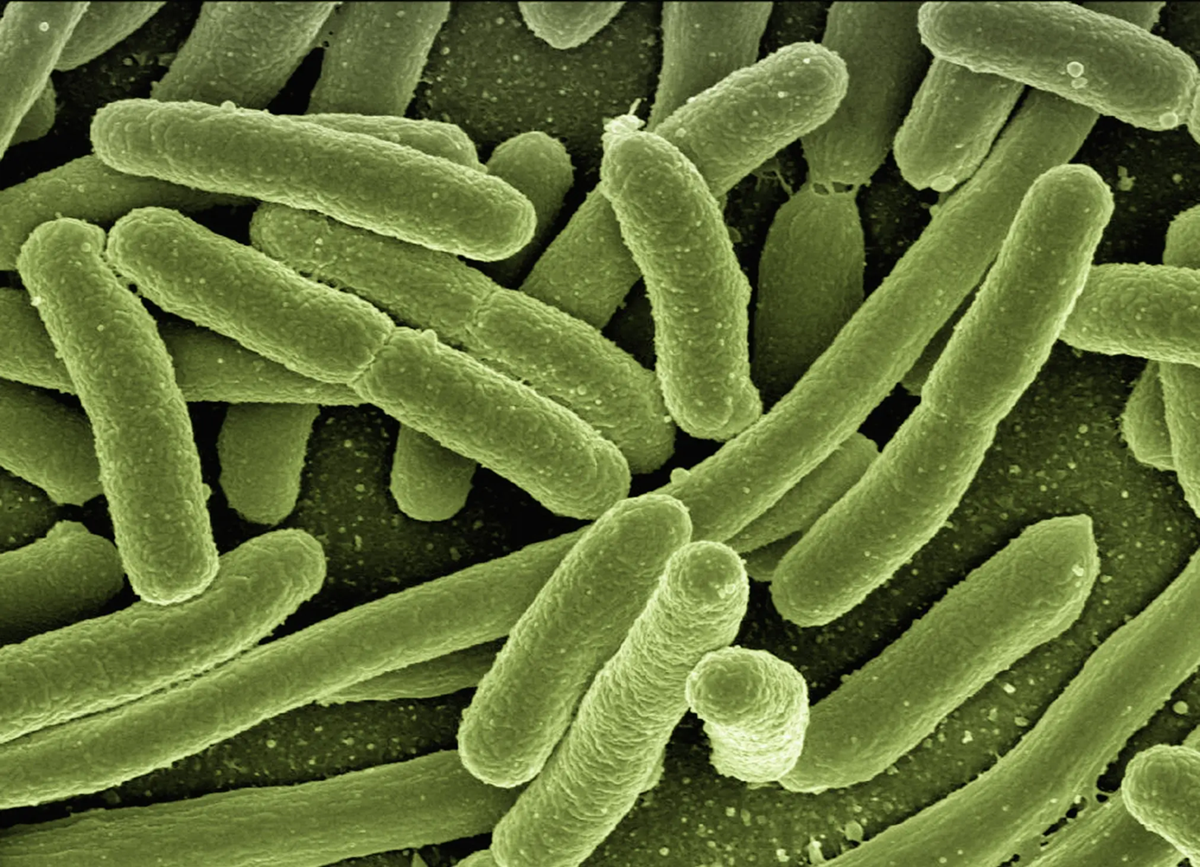
Scientists have identified 14 new bacterial species and nearly 200 new microbial strains by studying the gut microbiomes of eight Indian tribal communities.
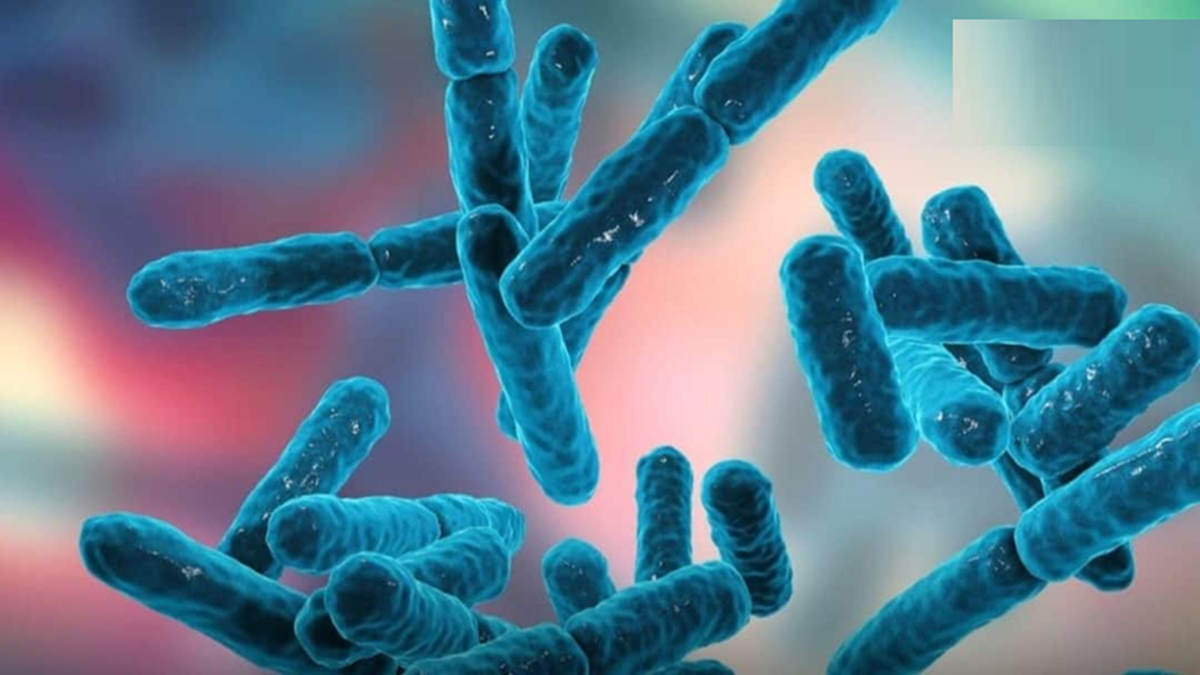
14 new bacteria found in Indian tribes
Gut Bacteria Species: During research conducted at the National Centre for Cell Science (NCCS) in Pune, scientists have identified 14 new bacterial species while examining the gut microbiomes of eight tribal communities in India. In addition, nearly 200 previously unidentified microbial strains have also been discovered. According to the scientists, this discovery could play an important role in understanding the gut microbiome and associated health issues in the Indian population.
What is the gut microbiome?
The gut microbiome is a community of bacteria and other tiny organisms living in our intestines. It acts as an invisible organ within our bodies, weighing approximately 1 to 2 kilograms. It plays a role in many vital functions, including food digestion, nutrient utilization, and immunity. Individuals' gut microbiomes are not the same and are influenced by diet, living conditions, medications, lifestyle, and the environment. Therefore, understanding the gut microbiomes of different communities is crucial for health and nutrition research.
Study of tribal communities
The research included eight tribal communities living in different geographical regions of India. These included the Warli, Gond, Madia, Kabui, Boto, Balti, Brokpa, and Purigpa. Scientists examined the gut microbiomes of these communities to understand their gut bacteria. The study identified 14 new bacterial species and nearly 200 new microbial strains.
Why is this discovery important for probiotics?
The scientists also studied bacteria such as Bifidobacterium adolescentis, which is used in probiotic research. Some bacteria found in Indian communities were genetically distinct from bacteria found in other countries. This could help better understand future research on probiotics and diets for Indian populations.
Diversity seen in different communities
The study revealed that some gut bacteria were similar across these communities, but the number and types of many microorganisms varied. Some bacteria found in Indian communities were genetically distinct from those found in populations from other countries. This highlights the need for separate gut microbiome data for Indian populations.
Why is this research important for India?
India has a wide variety of dietary and lifestyles across different regions and communities. Therefore, understanding the gut microbiome of these people could be crucial for health and nutrition research. The identification of 14 new bacterial species and nearly 200 new microbial strains could provide new directions for further research on the gut microbiome of Indian populations.