Front-load and top-load machines differ in their cleaning methods, water consumption, and spin speeds. Learn which machine uses less water and how it helps dry clothes faster.
Front Load vs Top Load Washing Machine
There are two types of washing machines available in the market: front-load and top-load. Both work to remove dirt from clothes, but the technology used differs. Consequently, water consumption, electricity usage, clothing care, and washing time can also vary. Let's understand how front-load and top-load machines work, from the motor to the water.
How does spinning clothes in a drum clean them?
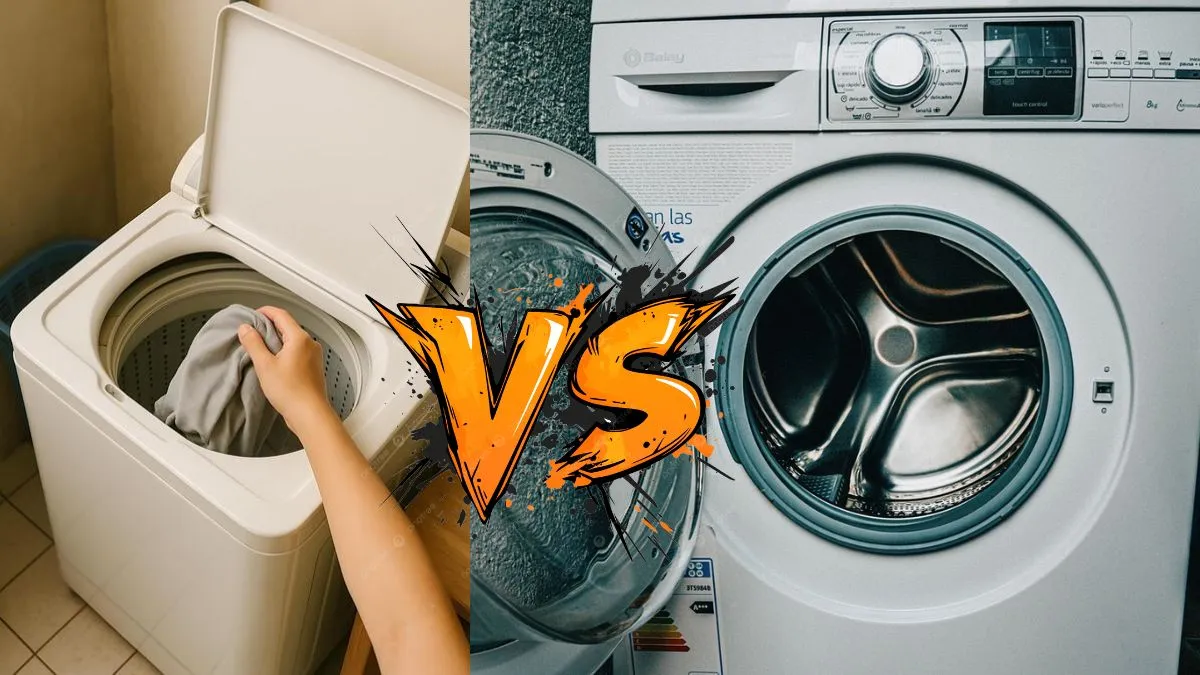
In a front-load washing machine, clothes are loaded through the front door. The drum rotates, lifting the clothes up and then dropping them down. This repeated process helps remove dirt from the clothes. This method also uses less water.
Top-load machines, on the other hand, load clothes from the top. They offer two cleaning techniques. The first uses an agitator in the center of the drum to spin the clothes, while the second uses an impeller at the bottom to create a motion that rubs the clothes together. Machines with an agitator can exert more drag on the clothes, while the impeller option can minimize this difference.
What is the difference in water consumption?
Front-load machines generally have an edge in terms of water consumption. Statistics indicate that a front-load machine uses approximately 40 to 50 liters of water per wash. In comparison, a traditional top-load machine may use approximately 120 to 150 liters. A top-load machine with an impeller may consume approximately 80 to 100 liters. However, actual consumption depends on the machine model, its capacity, and the wash program selected. Therefore, it's important to review information about machines with similar capacities before purchasing.
Spin speed also makes a difference.
The spin speed for front-load machines typically ranges from 1,400 to 1,600 RPM, while for top-load machines it's around 600 to 800 RPM. Higher spin speeds can reduce residual moisture in clothes, resulting in shorter drying times. Top-load machines, on the other hand, can finish washing faster on some wash programs.