LIFESTYLE
Fatty liver in women: One in three working women is at risk of fatty liver; why does fat accumulate in the liver without drinking alcohol?
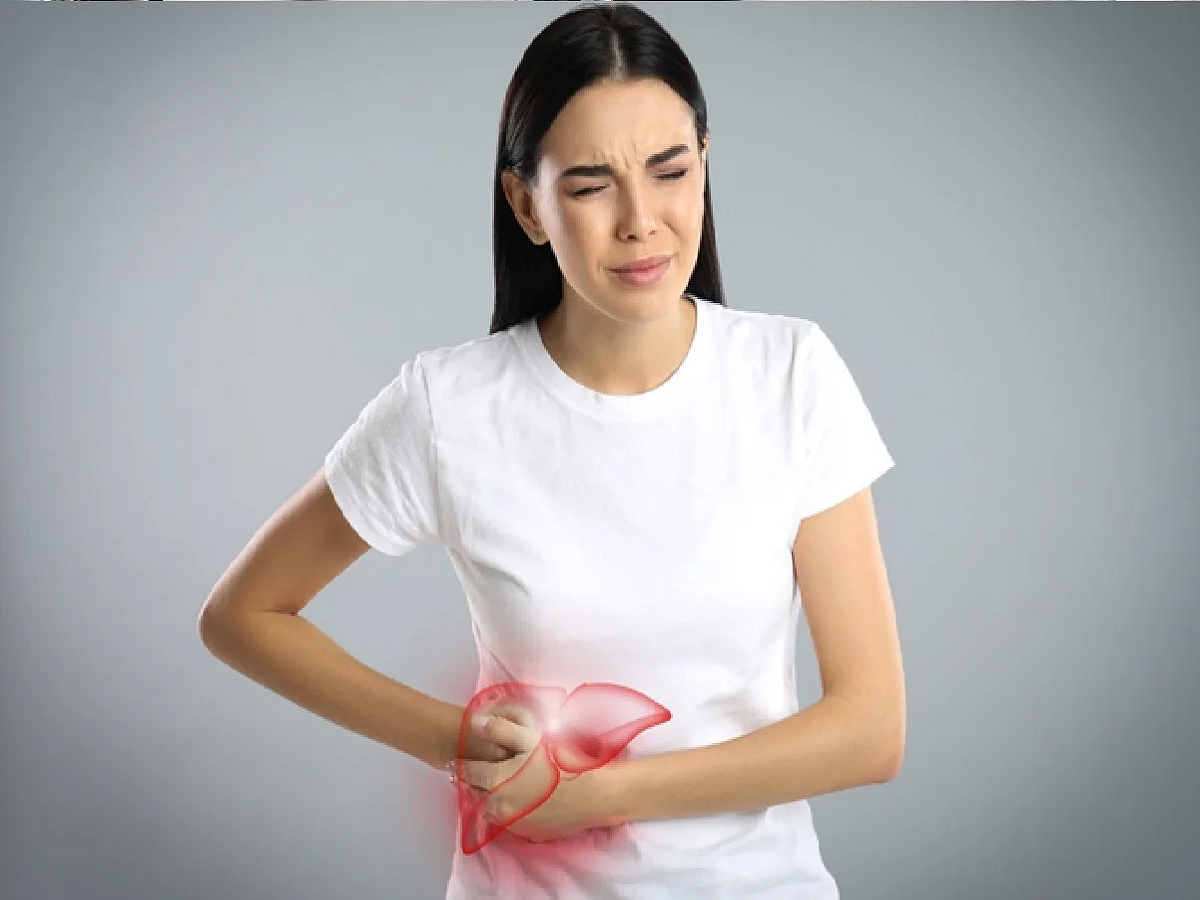
When it comes to fatty liver, many people think of alcohol consumption. However, the problem of fatty liver is also increasing among women who do not drink alcohol. According to reports, one in three working women in India may be at risk for fatty liver. Interestingly, many women are unaware of the disease because it initially shows no obvious symptoms.
Sitting in the office for 8 to 9 hours a day, skipping meals, and eating in a hurry can all impact liver health. Reduced movement slows fat burning. This includes consuming tea, coffee, and biscuits throughout the day, skipping dinner and eating heavy meals, and frequently consuming food delivery, all of which increase the likelihood of excess sugar and fat accumulation in the body.
What actually happens in the body with fatty liver?
This problem begins with excessive fat accumulation in the liver. Its stages are usually as follows:
Stage 1 - Fatty Liver: Fat builds up in the liver. This stage usually doesn't cause any symptoms.
Stage 2 – Inflammation: The liver begins to swell or swell.
Stage 3 – Scarring: Scar-like changes begin to appear on the liver cells.
Stage 4 – Permanent damage: There is a risk of serious and permanent damage to the liver.
Many people only discover they have fatty liver problems after they reach stage 3. Therefore, it's important not to ignore the signals your body is giving you, even in the early stages.
5 signs that your liver is under stress
Constantly feeling tired despite getting enough sleep
Not reducing fat
Frequent bloating after eating
Dull-looking skin or dark circles under the eyes
Elevated ALT or AST on blood tests
These symptoms aren't necessarily caused solely by fatty liver. However, if you experience these symptoms or have elevated ALT/AST in your blood tests, it's important to consult a doctor.
What can you do to reduce fatty liver?
If fatty liver is detected in its early stages, it can be cured by making appropriate lifestyle changes, including diet and exercise.
Try to get about 20 grams of protein with each meal.
Include fiber and green vegetables in your daily diet.
Make it a habit to take a short walk after every mile.
Do regular strength training once a week.
Cut down on sugar and processed foods.
Avoid skipping meals frequently and then eating very heavy meals at one time.
PC: Pall Mall