LIFESTYLE
8 Most Beautiful Historic Towns in Ireland: Explore Medieval Castles, Coastal Villages and Ancient Heritage
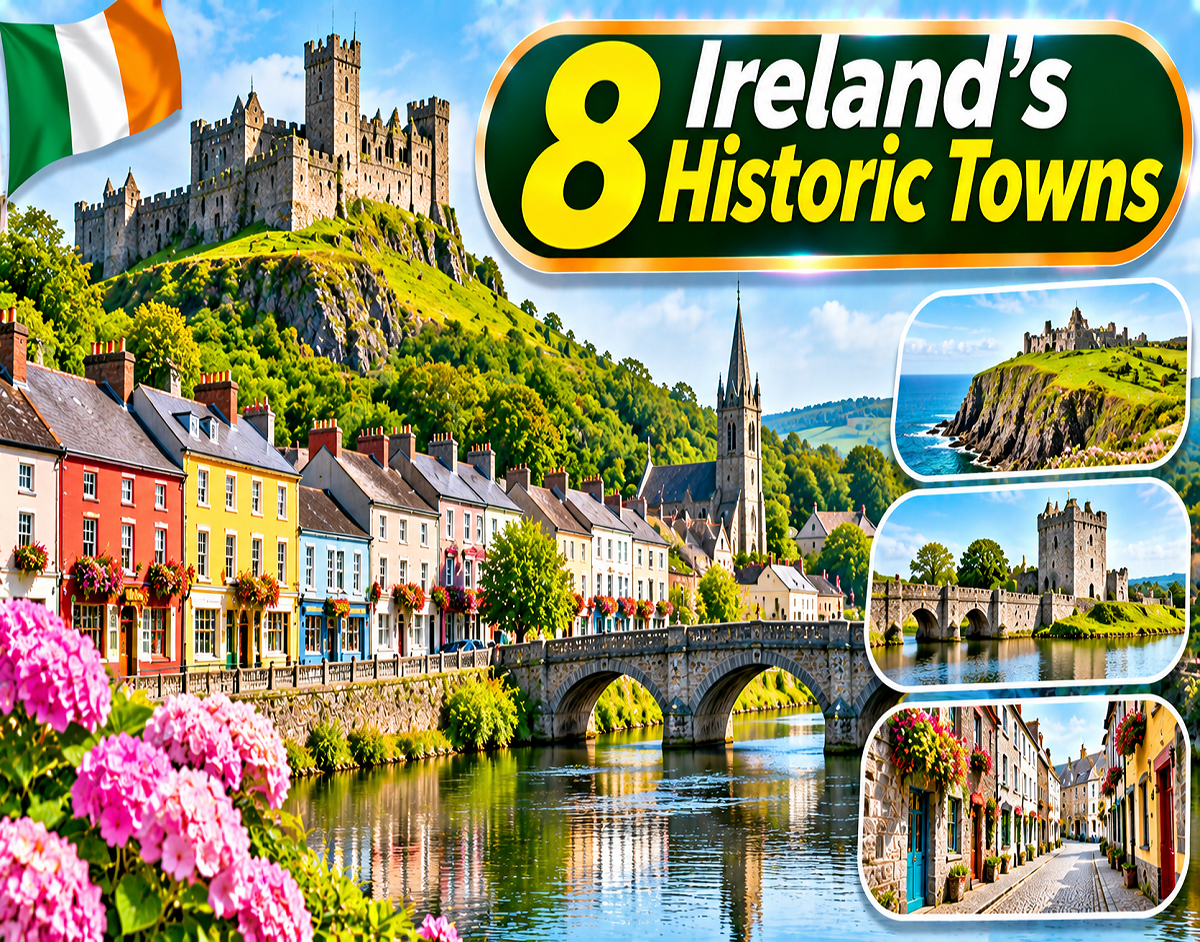
Ireland Travel Guide 2026: Ireland is famous for its breathtaking green landscapes, ancient castles, charming villages and rich cultural heritage. While Dublin and Cork remain popular destinations among international tourists, the country's smaller historic towns offer equally fascinating experiences.
From medieval fortresses and traditional Irish pubs to colourful harbour streets and centuries-old churches, these destinations reveal different chapters of Ireland's history.
Many of these towns have preserved their architectural character, allowing visitors to experience the country's Norman heritage, maritime traditions, religious landmarks and local culture.
For travellers interested in history, photography, architecture and scenic landscapes, these eight historic towns in Ireland deserve a place on the travel itinerary.
1. Kilkenny: A Medieval Town Famous for Castles and Historic Streets
Kilkenny is one of Ireland's best-known historic destinations, celebrated for its medieval architecture, narrow streets and impressive heritage buildings.
Located in southeastern Ireland, the town has retained much of its historic charm.
Its old streets, stone buildings and traditional shops provide an attractive setting for walking tours.
Major attractions in Kilkenny
Kilkenny Castle is the town's most famous landmark.
Originally developed in the 13th century, the castle was associated with the powerful Butler family for centuries.
Visitors can explore its historic interiors, landscaped grounds and surrounding parkland.
Another important attraction is St. Canice's Cathedral, a remarkable medieval church.
The nearby round tower is among the town's distinctive historic structures.
Why visit? Kilkenny is ideal for travellers who enjoy medieval castles, Gothic architecture and traditional Irish streets.
2. Kinsale: A Colourful Harbour Town With Maritime History
Kinsale is a picturesque coastal town in County Cork, situated near the mouth of the River Bandon.
It is known for its colourful buildings, attractive waterfront and long maritime history.
The town's narrow streets are lined with traditional shops, restaurants and historic structures.
Kinsale is also associated with an important event in Irish history: the Battle of Kinsale in 1601.
Major attractions in Kinsale
Charles Fort is one of the area's most impressive historic landmarks.
This 17th-century star-shaped fortification overlooks the harbour and reflects the strategic importance of the coastal settlement.
Visitors can also explore Kinsale's historic streets, waterfront areas and traditional buildings.
The town's colourful architecture makes it particularly attractive for photography.
Why visit? Kinsale is a rewarding destination for travellers interested in maritime heritage, coastal scenery and charming historic streets.
3. Westport: Georgian Architecture and Beautiful Riverside Views
Westport, located in County Mayo, is known for its elegant town planning, Georgian architecture and picturesque surroundings.
Unlike many medieval settlements, Westport is particularly recognized for its planned urban layout and attractive streets.
The town features stone bridges, tree-lined roads and pleasant public spaces.
Its scenic setting makes it a popular destination for visitors exploring western Ireland.
Major attractions in Westport
Westport's historic centre is an attraction in itself.
Visitors can walk through its attractive streets, admire the traditional architecture and enjoy the riverside atmosphere.
The town is also a popular base for exploring Croagh Patrick, a mountain with major religious and cultural significance in Ireland.
The surrounding countryside offers beautiful landscapes and opportunities for outdoor activities.
Why visit? Westport is suitable for travellers who appreciate Georgian architecture, scenic streets and access to Ireland's natural beauty.
4. Dingle: A Coastal Town Rich in Irish Language and Culture
Dingle is a charming harbour town on the Dingle Peninsula in County Kerry.
It is especially well known for its strong connections to Irish language, music and traditional culture.
The town combines coastal scenery with a lively local atmosphere.
Its colourful buildings, traditional pubs and surrounding landscapes make it a memorable destination.
Major attractions in Dingle
Visitors can explore the harbour, walk through the historic streets and experience traditional Irish music in local venues.
The wider Dingle Peninsula contains archaeological sites, ancient religious remains and historic settlements.
The region also offers impressive views of the Atlantic Ocean.
For travellers interested in cultural experiences, Dingle provides an opportunity to discover traditions that remain important in western Ireland.
Why visit? Dingle is ideal for visitors interested in Irish music, language, coastal scenery and ancient heritage.
5. Cobh: A Historic Port Town Connected to the Titanic
Cobh, located in County Cork, is one of Ireland's most historically significant harbour towns.
During the 19th and early 20th centuries, the port played an important role in Irish emigration.
Large numbers of people departed from this area in search of new opportunities overseas, particularly in North America.
Cobh is also famous for its connection with the RMS Titanic.
The ship made its final scheduled port call here in April 1912, when the town was known as Queenstown.
Major attractions in Cobh
St. Colman's Cathedral is one of the town's most recognizable landmarks.
Its impressive architecture rises above the colourful waterfront buildings.
Visitors can also explore Titanic Experience Cobh, which presents the town's connection to the famous ocean liner.
The harbour and surrounding streets provide attractive opportunities for sightseeing and photography.
Why visit? Cobh is particularly interesting for travellers fascinated by maritime history, Irish emigration and the Titanic.
6. Trim: A Historic Town Dominated by a Norman Castle
Trim is located in County Meath along the River Boyne.
The town is best known for Trim Castle, one of Ireland's largest and most impressive Norman fortifications.
Its historic surroundings offer an insight into the country's medieval political and military history.
Major attractions in Trim
Trim Castle was developed during the late 12th century and became an important Norman stronghold.
Its massive stone structures and defensive design reflect the military architecture of the period.
Visitors can explore the castle grounds and learn about its historical significance.
The town also contains remains of medieval religious buildings and other heritage structures.
The River Boyne adds to the scenic character of the area.
Why visit? Trim is an excellent choice for travellers interested in Norman castles, medieval warfare and historic architecture.
7. Cashel: A Town Famous for Its Spectacular Medieval Religious Complex
Cashel, in County Tipperary, is internationally recognized for the Rock of Cashel.
This remarkable historic complex stands on a limestone outcrop overlooking the surrounding landscape.
It is one of Ireland's most important medieval heritage sites.
The location is associated with the kings of Munster and the development of Christianity in Ireland.
Major attractions in Cashel
The Rock of Cashel contains several impressive medieval structures.
These include a cathedral, a round tower and Cormac's Chapel.
Together, they form a striking architectural complex that reflects centuries of religious and political history.
Visitors can explore the site and enjoy views of the surrounding countryside.
Why visit? Cashel is ideal for history enthusiasts, architecture lovers and travellers interested in Ireland's religious heritage.
8. Athlone: A Historic Town Along the River Shannon
Athlone is situated in central Ireland on the banks of the River Shannon.
Its location made it an important strategic crossing point and commercial centre for centuries.
The town has witnessed significant events in Irish history, including military conflicts during the 17th century.
Today, it combines historic landmarks with an attractive riverside setting.
Major attractions in Athlone
Athlone Castle is the town's principal historic attraction.
The site has a long history and played a role in important military events, including the Williamite War.
Visitors can explore the castle's heritage displays and learn about the town's past.
The River Shannon, bridges and waterfront areas provide additional opportunities for sightseeing.
Why visit? Athlone is suitable for travellers interested in military history, riverside architecture and Ireland's central regions.
Ireland's 8 Historic Towns at a Glance
| Historic town | County | Famous attraction | Main appeal |
|---|---|---|---|
| Kilkenny | Kilkenny | Kilkenny Castle | Medieval architecture |
| Kinsale | Cork | Charles Fort | Maritime history |
| Westport | Mayo | Historic town centre | Georgian architecture |
| Dingle | Kerry | Dingle Peninsula | Irish culture and coastal views |
| Cobh | Cork | St. Colman's Cathedral | Titanic and emigration history |
| Trim | Meath | Trim Castle | Norman heritage |
| Cashel | Tipperary | Rock of Cashel | Medieval religious monuments |
| Athlone | Westmeath/Roscommon | Athlone Castle | Military and riverside history |
Best Time to Visit Ireland's Historic Towns
Choosing the right season can make a significant difference to the travel experience.
May to September: Longer Days and Pleasant Conditions
The period from May to September is generally popular for exploring Ireland.
Longer daylight hours provide more time for visiting castles, walking through historic streets and enjoying coastal scenery.
Temperatures are often relatively mild compared with many other European destinations.
However, rainfall can occur throughout the year.
Spring: Beautiful Landscapes and Fewer Crowds
Spring is an attractive season for travellers who enjoy green landscapes and quieter destinations.
Historic towns can be particularly pleasant for walking tours during suitable weather.
Visitor numbers may be lower than during the busiest summer weeks.
Early Autumn: A Relaxed Travel Experience
Early autumn can also be a good time to explore Ireland's historic towns.
The countryside begins changing colour, creating attractive scenery around castles and traditional settlements.
Some destinations may feel less crowded after the peak summer travel season.
Winter: Historic Charm With Shorter Days
Winter offers a different travel experience.
Historic streets, traditional pubs and seasonal decorations can create a welcoming atmosphere.
However, shorter daylight hours and colder weather may reduce the time available for outdoor sightseeing.
Some attractions may also operate limited seasonal schedules.
Useful Travel Tips for Exploring Historic Ireland
Visitors should carry comfortable walking shoes because many historic streets have cobbled surfaces or uneven pathways.
A lightweight waterproof jacket is also recommended, as Irish weather can change unexpectedly.
Travellers planning to visit castles and heritage sites should check opening hours and admission requirements in advance.
Some attractions offer guided tours, while others allow independent exploration.
Public transport can be useful for reaching several towns, but smaller destinations may have less frequent connections.
Those planning to explore multiple locations should allow enough time for travel between regions.
Why Visit Ireland's Smaller Historic Towns?
Ireland's historic towns provide experiences that are different from those offered by its major cities.
Many preserve traditional streets, centuries-old buildings and distinctive local identities.
Visitors can learn about the country's medieval kingdoms, Norman influence, maritime history and religious traditions.
These destinations also offer opportunities to experience local food, traditional music and regional culture.
For photography enthusiasts, colourful harbour buildings, stone castles and scenic rivers create memorable settings.
Conclusion
Ireland's smaller historic towns are among the country's most rewarding destinations for travellers interested in history, architecture and culture.
Kilkenny and Trim are particularly attractive for medieval castle enthusiasts, while Kinsale and Cobh offer fascinating maritime experiences.
Westport is known for its Georgian character, Dingle celebrates traditional Irish culture, and Cashel stands out for its spectacular religious monuments.
Athlone adds another dimension with its strategic location along the River Shannon.
Together, these eight towns showcase the diversity of Ireland's historical heritage and natural beauty.
For travellers planning a journey beyond Dublin, they offer a wonderful opportunity to discover the country's rich past and distinctive local character.
Travel Note: Opening hours, admission charges, transport services and seasonal availability may change. Travellers should verify current details before visiting.