TRAVEL
8 Most Beautiful Historic Towns in Hungary: Explore Medieval Castles, Baroque Architecture and Cultural Heritage
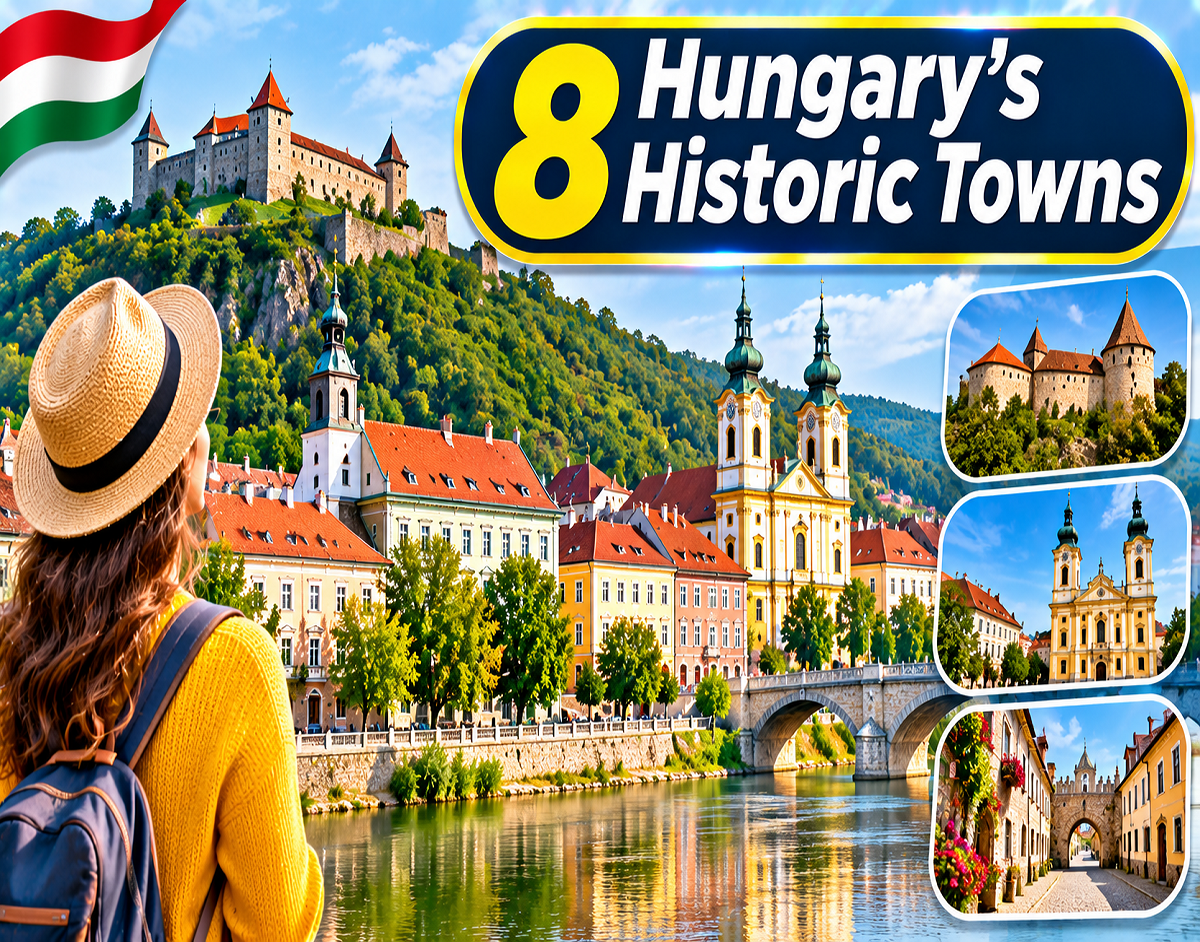
Hungary Travel Guide 2026: Hungary is one of Central Europe's most fascinating destinations for travellers who appreciate history, architecture and traditional European culture. While Budapest attracts millions of visitors with its grand buildings, thermal baths and picturesque Danube River views, the country's smaller historic towns offer equally memorable experiences.
From medieval castles and Gothic churches to colourful Baroque buildings and Renaissance-era landmarks, Hungary's architectural heritage reflects centuries of cultural and political change.
Many of these towns have preserved their historic centres, allowing visitors to explore cobblestone streets, traditional houses, ancient fortifications and beautiful public squares.
For travellers interested in European history, photography, architecture and cultural exploration, these eight Hungarian towns deserve a place on the itinerary.
1. Eger: A Historic Town Famous for Baroque Architecture and Medieval Castles
Eger is among Hungary's most attractive historic destinations, known for its elegant Baroque architecture, beautiful squares and impressive medieval heritage.
Located in northern Hungary, the town has played an important role in the country's history.
Its colourful buildings, historic churches and traditional streets create a charming atmosphere.
Major attractions in Eger
The most famous landmark is Eger Castle, which is closely associated with the Hungarian defenders' resistance against Ottoman forces during the Siege of Eger in 1552.
The castle offers visitors an opportunity to explore the town's military history and enjoy views of the surrounding area.
Another important attraction is Eger Basilica, an impressive religious building known for its grand architectural design.
Visitors can also explore historic squares, churches and traditional streets.
Why visit? Eger is particularly suitable for travellers interested in medieval fortifications, Baroque buildings and Hungarian history.
2. Sopron: Medieval Streets and Gothic Architectural Treasures
Situated near the Austrian border, Sopron is known for its beautifully preserved historic centre and distinctive European architectural character.
The town features narrow medieval streets, centuries-old houses and a combination of Gothic, Renaissance and Baroque architectural styles.
Walking through its historic district provides a glimpse into the region's long cultural history.
Major attractions in Sopron
The Firewatch Tower is one of the town's most recognizable landmarks.
Standing above the historic centre, the tower offers panoramic views of Sopron and the surrounding landscape.
The nearby Main Square is surrounded by colourful heritage buildings and attractive historic facades.
Visitors can also explore churches, museums and traditional streets that reflect the town's architectural development.
Why visit? Sopron is an excellent destination for visitors who enjoy historic town centres, Gothic buildings and peaceful walking tours.
3. Pécs: A Unique Combination of Roman, Christian and Ottoman Heritage
Pécs is one of Hungary's most culturally diverse historic cities.
Its architecture reflects the influence of Roman settlements, early Christianity and the Ottoman period.
This combination makes Pécs especially interesting for travellers who want to explore different historical eras within a single destination.
Major attractions in Pécs
One of the city's most significant historical sites is the Early Christian Necropolis of Pécs, which is recognized as a UNESCO World Heritage Site.
The site contains important archaeological remains associated with early Christian burial traditions.
Another famous landmark is the Mosque of Pasha Qasim, a former Ottoman mosque that was later converted into a Catholic church.
Pécs Cathedral is also an important attraction, showcasing the city's religious and architectural heritage.
The city's squares, museums and historic streets provide additional opportunities for cultural exploration.
Why visit? Pécs is ideal for travellers interested in Roman archaeology, religious architecture and the historical interaction of different cultures.
4. Szentendre: Colourful Houses, Art Galleries and Serbian Orthodox Churches
Located close to Budapest, Szentendre is one of Hungary's most picturesque small towns.
It is famous for its colourful buildings, cobbled streets, artistic atmosphere and attractive riverside setting.
The town has a strong connection with Serbian communities that influenced its religious and architectural heritage.
Major attractions in Szentendre
Visitors can explore several Serbian Orthodox churches, many of which feature distinctive architectural details.
The historic centre contains attractive Baroque buildings, small squares and traditional streets.
Szentendre is also known for its art galleries, museums and creative atmosphere.
Its compact historic centre makes it particularly suitable for exploring on foot.
The town is a popular choice for travellers looking for a cultural excursion from Budapest.
Why visit? Szentendre is perfect for art lovers, photographers and visitors who enjoy colourful European streets and relaxed cultural experiences.
5. Veszprém: A Historic Castle District Above the City
Veszprém is one of Hungary's oldest urban settlements and is particularly famous for its hilltop Castle District.
The town has a long association with Hungary's religious and political history.
Its elevated historic centre provides an impressive setting for churches, palaces and other heritage buildings.
Major attractions in Veszprém
St. Michael's Cathedral is among the city's most important religious landmarks.
The Archbishop's Palace is another notable historic building within the Castle District.
Visitors can explore the surrounding streets and admire the architectural character of the old town.
The elevated location also provides attractive views of the surrounding area.
Why visit? Veszprém is a rewarding destination for travellers interested in religious history, hilltop architecture and historic urban landscapes.
6. Kőszeg: A Beautifully Preserved Medieval Town
Kőszeg is a charming historic town in western Hungary, close to the Austrian border.
Despite its relatively small size, the town offers an impressive collection of medieval buildings, traditional streets and historic landmarks.
Its peaceful atmosphere makes it especially appealing to visitors who prefer quieter destinations.
Major attractions in Kőszeg
Jurisics Castle is the town's most important historic monument.
The castle is associated with the famous Ottoman siege of 1532, when the town's defenders resisted a much larger attacking force.
Visitors can also explore Heroes' Gate and the historic Main Square.
The town's well-preserved streets and traditional buildings provide an attractive setting for walking and photography.
Why visit? Kőszeg is particularly appealing to travellers who enjoy medieval history, small-town charm and less crowded heritage destinations.
7. Esztergom: Magnificent Basilica and Hungary's Royal Heritage
Esztergom holds an important place in Hungary's early royal and religious history.
Located along the Danube River near the Slovakian border, the city is famous for its monumental basilica and historic castle complex.
The city's elevated landmarks create a striking skyline overlooking the river.
Major attractions in Esztergom
Esztergom Basilica is one of Hungary's largest and most impressive church buildings.
Its grand architecture and prominent location make it the city's defining landmark.
Visitors can enjoy views of the Danube River and the neighbouring Slovakian landscape from suitable viewpoints.
The nearby castle complex is associated with Hungary's medieval royal history.
The surrounding historic district offers additional opportunities to explore the city's cultural heritage.
Why visit? Esztergom is ideal for travellers interested in monumental religious architecture, royal history and scenic river views.
8. Győr: A Charming Blend of Baroque and Renaissance Architecture
Győr is an important cultural and commercial city located between Budapest and Vienna.
Its historic centre is particularly attractive because of its colourful facades, decorative balconies and elegant public squares.
The city developed over centuries as a significant regional centre, leaving behind a rich architectural legacy.
Major attractions in Győr
Győr Basilica is one of the city's important religious landmarks.
The Bishop's Castle is another significant historic attraction.
Széchenyi Square is among the most beautiful public spaces in the historic centre, surrounded by attractive buildings.
Visitors can explore the city's narrow streets and admire its combination of Baroque and Renaissance architectural influences.
Why visit? Győr is an excellent destination for architecture enthusiasts and travellers interested in traditional European town centres.
Hungary's 8 Historic Towns at a Glance
| Town | Famous for | Major attraction |
|---|---|---|
| Eger | Baroque architecture and medieval history | Eger Castle |
| Sopron | Gothic buildings and medieval streets | Firewatch Tower |
| Pécs | Roman, Christian and Ottoman heritage | Early Christian Necropolis |
| Szentendre | Colourful houses and artistic culture | Serbian Orthodox churches |
| Veszprém | Historic hilltop architecture | Castle District |
| Kőszeg | Preserved medieval town centre | Jurisics Castle |
| Esztergom | Religious and royal history | Esztergom Basilica |
| Győr | Baroque and Renaissance buildings | Széchenyi Square |
Best Time to Visit Hungary's Historic Towns
Choosing the right season can make a significant difference to the travel experience.
April to June: Pleasant Spring Weather
Spring is considered one of the most comfortable periods for exploring Hungary's historic destinations.
Temperatures are generally suitable for walking tours, outdoor photography and sightseeing.
The season is especially appealing for travellers who want to explore castles, churches and historic streets without extreme summer heat.
September to October: Beautiful Autumn Landscapes
Autumn is another excellent period for visiting Hungary.
The changing colours of the landscape create attractive surroundings, particularly in towns near hills and natural areas.
Visitor numbers may also be lower than during the busiest summer weeks.
July to August: Popular Summer Travel Season
Summer is a popular time for international tourism.
Longer daylight hours allow visitors to explore more attractions during the day.
However, some destinations can become crowded, and temperatures may be uncomfortable during particularly hot periods.
Winter: Festive Atmosphere and Historic Charm
Winter brings a different atmosphere to Hungary's towns.
Seasonal decorations and festive markets can make historic squares especially attractive.
However, shorter daylight hours and colder weather may limit outdoor sightseeing.
Travellers should check seasonal opening hours because some attractions may operate reduced schedules.
Travel Tips for Exploring Historic Hungary
Visitors planning a trip to these towns should allow sufficient time to explore their historic centres.
Many important attractions are located within walking distance of one another.
Comfortable footwear is useful because older streets may have cobbled surfaces or uneven pathways.
Travellers should also check opening hours for castles, museums and churches before visiting.
Some religious buildings may have restricted access during services or special events.
For visitors planning multiple destinations, train and bus connections can provide convenient options, although journey times and service frequency vary.
Conclusion
Hungary offers much more than the famous landmarks of Budapest.
Its smaller historic towns preserve centuries of European history through medieval castles, Gothic churches, Baroque buildings and traditional public squares.
Eger and Kőszeg are particularly appealing for medieval history enthusiasts, while Sopron and Győr showcase impressive historic architecture.
Pécs offers a fascinating combination of cultural influences, Szentendre is known for its artistic atmosphere, and Esztergom stands out for its monumental religious heritage.
Veszprém adds another distinctive experience with its elevated Castle District.
Whether visitors are interested in photography, history, art or traditional European architecture, these eight destinations offer memorable opportunities to discover Hungary's cultural heritage.
Travel Note: Attraction opening hours, admission charges, transportation schedules and seasonal availability may change. Visitors should verify current details before planning their journey.