NEWS
Congress Prepares Big Strategy for UP Elections: 160 Seats, 3 Categories and a New Political Formula
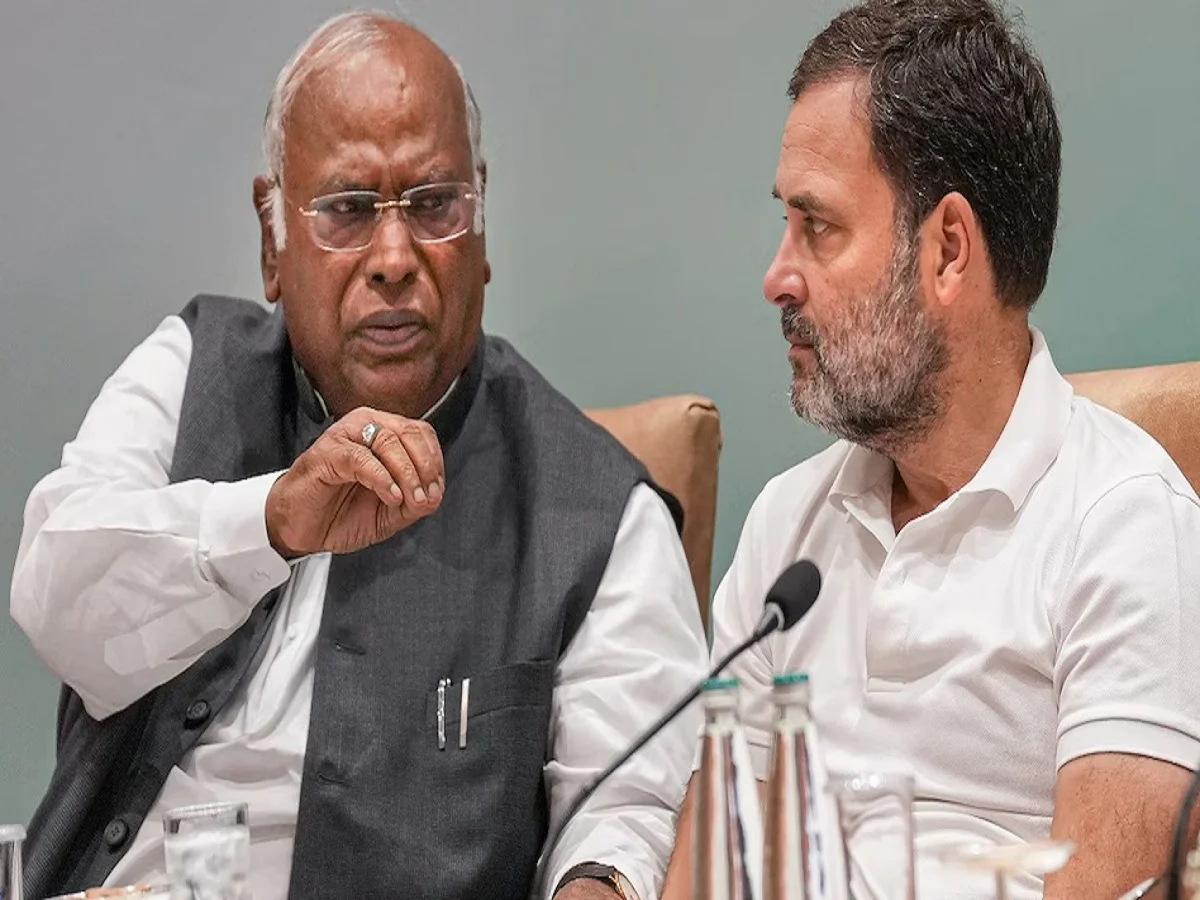
Political activity in Uttar Pradesh is gradually intensifying as preparations for the upcoming Assembly elections gather momentum. With parties beginning to sharpen their strategies and strengthen their grassroots presence, the Indian National Congress is reportedly working on a detailed electoral roadmap aimed at reviving its position in the state.
According to political reports, Congress has already started internal groundwork well ahead of any possible seat-sharing negotiations with the Samajwadi Party (SP). The party is believed to be focusing on a carefully designed “masterplan” centered around constituency analysis, caste equations, and alliance mathematics.
The strategy reportedly includes identifying nearly 160 Assembly seats across Uttar Pradesh and dividing them into three separate categories based on political strength and winning potential.
Congress Conducts Extensive Ground Survey
Reports suggest that Congress has carried out a large-scale political survey across Uttar Pradesh to understand the current mood of voters and assess local political realities.
The survey is said to include:
- Ground-level organizational strength
- Caste and social equations
- Local leadership influence
- Previous election performance
- Alliance possibilities
- Voter sentiment in different regions
Based on these findings, the party has reportedly shortlisted around 160 seats where it believes it can either directly compete or improve its performance through strategic alliances.
Congress Divides Seats Into Three Categories
As part of its election planning, Congress has reportedly created a three-tier classification system for Assembly constituencies.
Category A: Strong Winning Potential
This category reportedly includes seats where Congress believes it already has relatively strong support, active local workers, and favorable political conditions.
Party leaders are said to be confident about improving performance in these constituencies through focused campaigning and organizational strengthening.
These seats are likely to become Congress’ primary battlegrounds in the upcoming elections.
Category B: Alliance-Dependent Seats
The second category includes constituencies where Congress believes its chances could improve significantly through cooperation with the Samajwadi Party.
In these seats, caste combinations and social equations are reportedly considered more favorable if both opposition parties contest together rather than separately.
Political analysts believe alliance arithmetic could play a crucial role in determining outcomes in many regions of Uttar Pradesh.
Category C: Traditionally Weak Constituencies
The third category reportedly consists of seats where both Congress and SP have historically struggled to perform well.
These are areas where opposition parties have remained weak in previous elections and where the ruling BJP has maintained a stronger political presence.
Congress is expected to focus more cautiously on these constituencies while evaluating long-term organizational growth.
Focus on Building Presence Across Every District
One of the most important aspects of Congress’ reported strategy is its effort to establish a visible political presence across the entire state.
According to reports, the party wants to ensure that it contests:
- At least two seats in every major district
- At least one seat in smaller districts
This approach is believed to be aimed at rebuilding the party’s grassroots network and strengthening local leadership structures before the election campaign intensifies further.
Lessons Learned From Lok Sabha Elections
Political observers say the strategy also reflects lessons Congress learned during the previous Lok Sabha elections.
At that time, Congress reportedly sought around 37 seats from the SP alliance but was ultimately allotted only 17 constituencies.
Despite receiving fewer seats, the party managed to secure victories in six of them, which many Congress leaders reportedly view as proof that the party still retains pockets of influence in Uttar Pradesh.
This experience appears to have encouraged Congress to negotiate future alliances from a stronger and more prepared position.
Akhilesh Yadav Also Strengthening SP Organization
Meanwhile, Akhilesh Yadav, chief of the Samajwadi Party, is also actively working to energize party workers and expand organizational strength across the state.
Through recent speeches and public appearances, Akhilesh has repeatedly projected SP as the main opposition force capable of directly challenging the Bharatiya Janata Party in Uttar Pradesh.
His statements indicate that SP is simultaneously preparing for both independent political positioning and possible alliance negotiations.
UP Elections Expected to Witness Intense Political Battle
Uttar Pradesh remains India’s most politically significant state due to its massive voter base and influence on national politics.
With Congress attempting to rebuild its relevance, SP strengthening its cadre, and BJP expected to aggressively defend its dominance, political analysts anticipate a highly competitive electoral battle in the state.
Alliance discussions, caste equations, regional leadership, youth outreach, and grassroots organization are likely to become key deciding factors in the months ahead.
Final Thoughts
Congress’ reported 160-seat strategy signals that the party is attempting a more structured and data-driven approach ahead of the Uttar Pradesh Assembly elections.
By categorizing constituencies, conducting extensive surveys, and preparing independently before alliance talks, the party appears focused on strengthening its bargaining power as well as rebuilding its long-term political footprint in the state.
As political temperatures continue rising in Uttar Pradesh, the coming months could witness intense campaigning, shifting alliances, and major strategic moves from all major parties.