ASTROLOGY
Tulsi Puja Tips: Chant This Powerful Vishnu Mantra While Offering Water for Peace and Prosperity
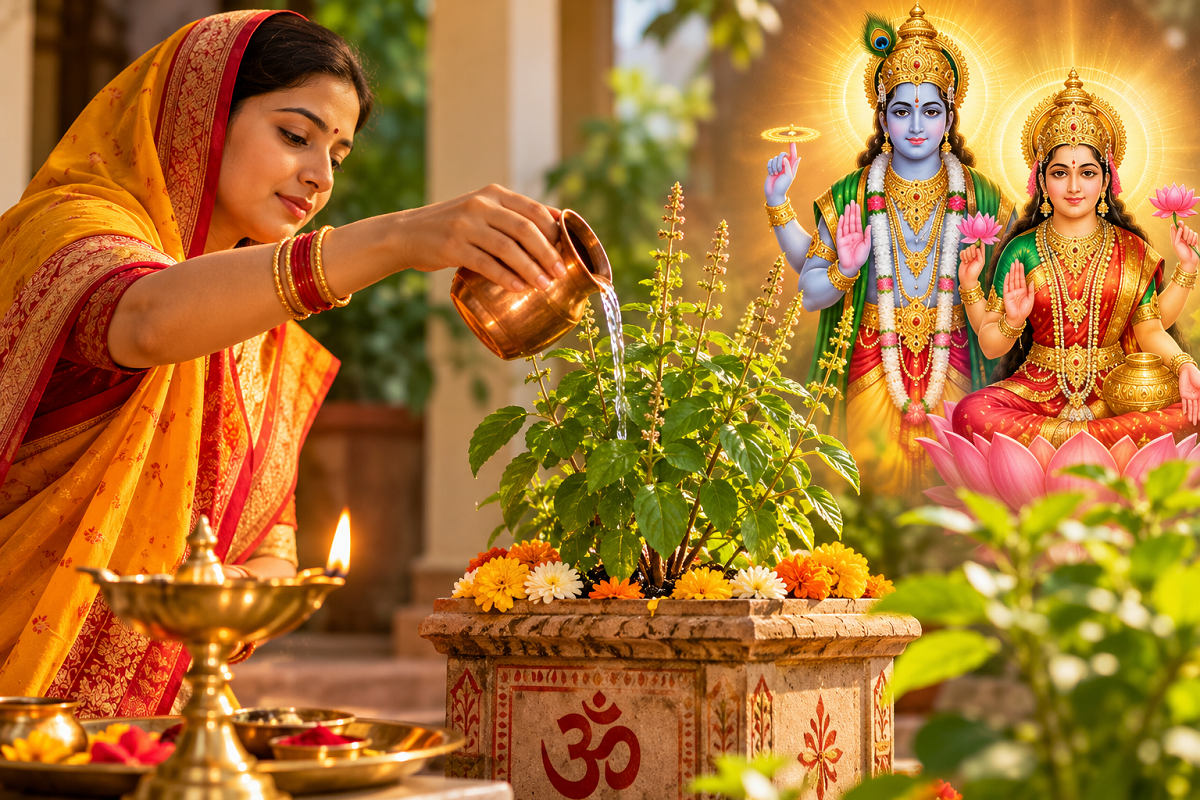
Tulsi Puja Benefits: The Tulsi plant holds a special place in Hindu religious traditions and is widely regarded as a symbol of purity, devotion, and prosperity. Many Hindu families worship Tulsi every morning, believing that caring for this sacred plant and offering prayers can invite positive energy, happiness, and divine blessings into their homes.
According to traditional Hindu beliefs, Tulsi is closely associated with Goddess Lakshmi, the deity of wealth and prosperity, and is especially dear to Lord Vishnu. For this reason, offering water to the Tulsi plant and chanting sacred mantras are considered meaningful spiritual practices.
People experiencing financial difficulties often turn to religious rituals for emotional strength and hope. One popular practice involves reciting a mantra dedicated to Lord Vishnu while watering the Tulsi plant. Here is what the mantra means, how to perform the ritual, and why devotees consider Tulsi worship spiritually significant.
Which Mantra Should You Chant While Offering Water to Tulsi?
In Hindu tradition, devotees frequently chant the sacred twelve-syllable mantra dedicated to Lord Vishnu during Tulsi worship.
Sacred Mantra:
ॐ नमो भगवते वासुदेवाय।
English Transliteration: Om Namo Bhagavate Vasudevaya.
The mantra is commonly understood as an expression of reverence and surrender to Lord Vasudeva, a form of Lord Vishnu.
Devotees believe that repeating this mantra with sincerity can help improve concentration, encourage spiritual awareness, and create a peaceful state of mind.
While offering water to the Tulsi plant, worshippers may chant the mantra once or repeat it several times according to their personal religious practices.
There is no universally required number of repetitions for this simple daily ritual. What matters most in traditional worship is devotion, mindfulness, and respect.
How to Offer Water to the Tulsi Plant Correctly
Tulsi worship is generally performed in the morning. Although customs may differ between families and regions, several traditional steps are commonly followed.
1. Begin With Personal Cleanliness
Many devotees prefer to bathe and wear clean clothes before performing their morning prayers. Cleanliness is considered an important part of Hindu worship.
2. Use Fresh and Clean Water
Take a small quantity of clean water in a suitable vessel. Slowly pour it near the roots of the Tulsi plant while ensuring that the soil does not become excessively wet.
Overwatering can damage the plant, so the quantity should depend on its actual needs.
3. Remember Lord Vishnu and Goddess Lakshmi
As you offer water, focus your thoughts on Lord Vishnu and Goddess Lakshmi. Devotees may silently express gratitude or pray for their family's health, happiness, and well-being.
4. Recite the Vishnu Mantra
Chant "Om Namo Bhagavate Vasudevaya" calmly and respectfully. Some devotees prefer repeating the mantra 11 or 21 times as a personal devotional practice, although these counts are not compulsory.
5. Keep the Worship Area Clean
The area surrounding the Tulsi plant should remain tidy. Remove dry leaves and unnecessary waste, and ensure the plant receives appropriate sunlight and ventilation.
Why Is Tulsi Associated With Goddess Lakshmi and Lord Vishnu?
Tulsi occupies an important position in Hindu mythology and devotional worship.
According to religious traditions, the plant is associated with Goddess Lakshmi and is regarded as particularly sacred to Lord Vishnu. Tulsi leaves are frequently used in Vishnu worship and offerings.
Many households also observe Tulsi Vivah, a religious ceremony symbolizing the ceremonial marriage of Tulsi and Lord Vishnu in his Shaligram form.
These traditions reflect the plant's longstanding spiritual importance.
For devotees, Tulsi represents more than greenery in the courtyard. It symbolizes faith, discipline, purity, and a connection with divine blessings.
Can Tulsi Worship Help People Facing Financial Difficulties?
According to popular religious beliefs, regularly worshipping Tulsi and praying to Goddess Lakshmi may bring prosperity, harmony, and good fortune into the household.
Some devotees believe that chanting Vishnu mantras helps them maintain hope during difficult financial circumstances.
However, there is no scientific evidence that offering water to Tulsi or reciting a mantra directly increases income, eliminates debt, or guarantees financial success.
The spiritual value of these practices lies primarily in personal faith, emotional comfort, and the sense of discipline that daily prayer may provide.
Anyone facing financial pressure should also focus on practical measures such as controlling unnecessary spending, preparing a monthly budget, building savings, and exploring additional income opportunities.
Religious devotion and responsible financial planning can coexist without treating spiritual rituals as guaranteed solutions to money problems.
Is Lighting a Diya Near Tulsi in the Evening Auspicious?
In many Hindu homes, devotees light an oil or ghee lamp near the Tulsi plant during evening prayers.
This custom is traditionally associated with devotion, positivity, and the removal of spiritual darkness.
Families may offer prayers to Lord Vishnu and Goddess Lakshmi while lighting the diya.
However, the lamp should be placed on a stable, fire-resistant surface at a safe distance from leaves, curtains, and other flammable materials. It should never be left burning unattended.
Important Things to Remember During Daily Tulsi Worship
Tulsi is both a sacred plant and a living organism that requires proper care.
The plant generally grows well in a location receiving sufficient sunlight and having well-drained soil. Watering requirements can change with the season, temperature, and soil moisture.
Certain households also follow traditional restrictions regarding Tulsi worship or watering on particular religious days. Such customs vary across communities and should be understood as matters of religious tradition rather than universal rules.
Devotees can follow the practices observed in their own families while ensuring that the plant remains healthy.
Final Thoughts
Tulsi worship continues to be an important daily ritual in many Hindu households. Offering water, chanting "Om Namo Bhagavate Vasudevaya," and praying to Lord Vishnu are traditional ways of expressing devotion and seeking spiritual peace.
Although many devotees associate these practices with prosperity and positive energy, their benefits should be understood within the context of religious faith rather than as proven financial remedies.
For those experiencing money-related stress, Tulsi worship may provide emotional reassurance and a peaceful beginning to the day. Combining spiritual practices with disciplined saving, sensible spending, and thoughtful financial decisions offers a more practical approach to long-term financial stability.
Disclaimer: This article explains traditional Hindu religious beliefs and devotional customs. Claims concerning wealth, luck, and prosperity are based on faith and should not be interpreted as scientifically established outcomes or financial advice.