Drain Causes: There's not necessarily a single major reason for a slow sink drain. Often, small everyday mistakes can combine to create a build-up in the pipes that can lead to clogging.
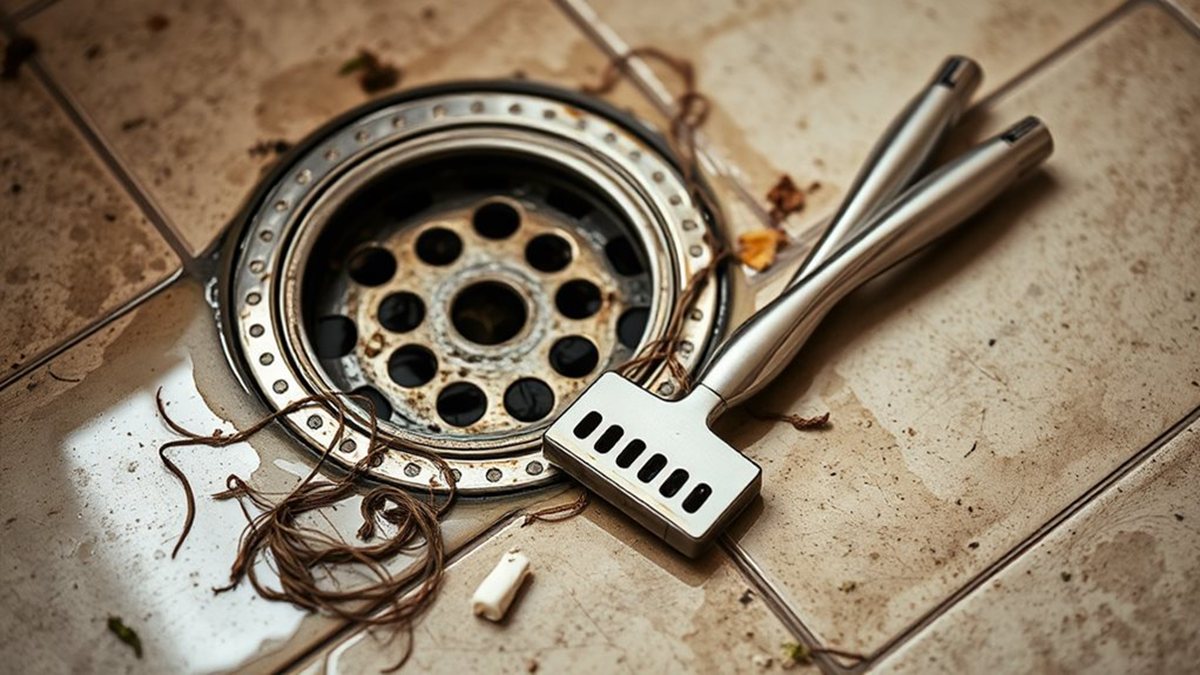
Reasons for slow water draining from the sink
Causes Of Slow Water Drain In Kitchen Sink: If water is draining out of the kitchen or bathroom sink more slowly than before, then do not ignore it thinking it to be a small problem. Initially, the water flows only a little slowly, but with time, this problem can turn into a complete blockage. Along with this, the problem of a foul smell from the sink can also start. The most common reason for slow water draining from the sink is the gradual accumulation of something inside the pipe. In the bathroom sink, hair and soap scum can get stuck inside the pipe, whereas in the kitchen sink, oil, grease, and small food particles get accumulated and narrow the water path.
Why is the sink water draining slowly?
There's not necessarily a single major reason for a slow sink drain. Often, small everyday mistakes can combine to create deposits in the pipes, gradually blocking the flow of water. Hair can be a major culprit in bathroom sinks. It gets stuck around the stopper or drain. Soap scum then adheres to it, eventually forming a thick layer. Initially, the water continues to drain, but then slows down.
Meanwhile, oil and grease can be a major source of trouble in kitchen sinks. Oil easily penetrates pipes when heated, but after cooling, it can solidify on the inner surface of the pipes. Small food particles adhere to it, reducing the space for water to drain over time.
The sink trap could also be responsible.
The U-bend or trap under the sink is designed to hold some water and debris. It serves its own purpose, but if the accumulated dirt remains uncleaned for a long time, it can affect the flow of water. If there's no obvious reason for the slow draining of the sink, a buildup of dirt in the trap could be the culprit.
Sometimes problems also arise due to the vent
Slow water flow isn't always caused by a blockage in a pipe. A vent in a plumbing system helps balance air pressure. If it's obstructed, water can't flow normally. However, this type of problem isn't easy to diagnose without inspection. So, if there's no obvious blockage in the sink and the water isn't draining properly, other causes should be considered.
Old pipes can also be the cause.
The inner surface of pipes in older homes can become rough or worn over time. Dirt easily adheres to such surfaces, gradually narrowing the pipe passages. Therefore, if your home's pipes are very old and sink problems are recurring, simply cleaning the visible dirt may not be enough.
Do not ignore these signs at all
If your sink is draining slowly, look for other signs. A gurgling sound as the water drains, water remaining in the sink for extended periods, or a gradual odor may indicate a growing problem. If more than one sink or other areas in your home are draining slowly, the problem may not be limited to just one sink. A blockage in the plumbing is likely further down the line.
You can do this work yourself in the beginning.
If the water is still draining slowly, first remove the sink stopper or drain cover to clear out any visible hair and other debris. Then, try running hot water down the drain for a few minutes. This may help loosen any soap or grease deposits inside the pipes.
A plunger can also be used. This requires blocking the sink's overflow hole and creating adequate suction. If the trap under the sink is easily accessible, opening it and cleaning it is also an option. However, caution is required when doing this. It's best to avoid repeated use of harsh chemical drain cleaners. In some cases, these can damage the pipe material, joints, or seals. If you need to open the pipe later, the problem may become more complicated. Slow draining from a sink isn't often the beginning of a major crisis, but it can be a warning. Hair, soap, oil, food particles, or debris accumulated in the trap can gradually block the water flow.