LIFESTYLE
How To Make A Blouse at Home: If a tailor isn't giving you a blouse, make it yourself in 2 hours like this.
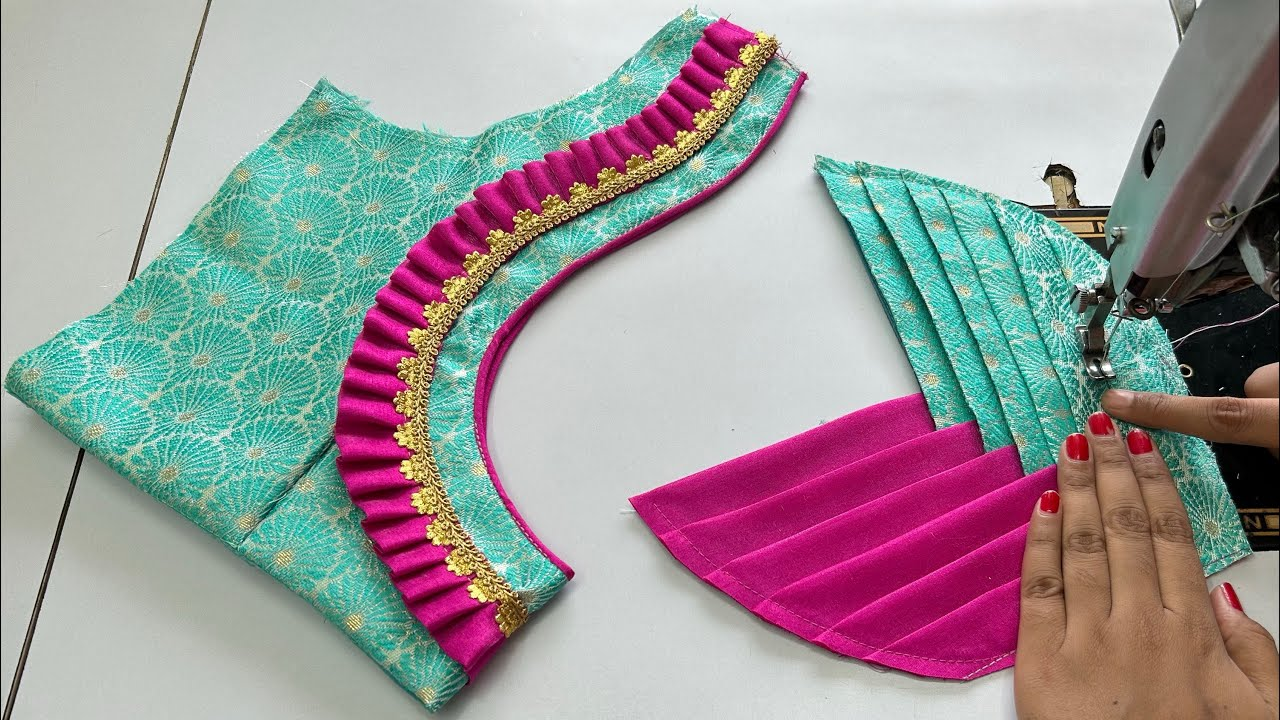
Blouse Stitching: First, choose the fabric you want to make the blouse from. Then, find an old blouse from your closet that fits you perfectly.

Easy way to stitch a blouse at home
DIY Blouse Cutting and Stitching Using Old Blouse: The saree is ready for Karva Chauth, but the tailor hasn't delivered the blouse yet? Tailors' workload increases during festivals, and despite repeated calls, the clothes aren't delivered on time. If Karva Chauth is just around the corner and you don't have another blouse to wear, you can make a new blouse yourself at home. All you need is a well-fitting old blouse, new fabric, a sewing machine, and about two hours of time.
First, choose the right fabric and old blouse.
First, select the fabric you want to make the blouse from. Then, find an old blouse from your closet that fits you perfectly. This old blouse will help you create the pattern for the new blouse. There's no need to unzip the old blouse. Lay it flat on the fabric and mark the front and back accordingly. When cutting the fabric, be sure to leave a little extra space for sewing, so you can adjust the fit later if needed.
How to make markings on fabric
First, place the front of the old blouse on the fabric and outline it. Next, mark the back. Carefully mark the shoulders, neck, armholes, and blouse length. If the new blouse is to be made with a slightly different design, determine the neckline and depth at this time. For Karva Chauth, you can choose a round, V-neck, or other design, depending on your saree. Next, place the sleeve of the old blouse on the fabric and mark it. If you want short, elbow-length, or full sleeves, determine the length accordingly.
Don't rush into cutting.
Once you've finished marking, double-check all the details before cutting the fabric. Especially consider the shoulder width, bust area, armholes, and blouse length. When cutting, allow extra seam allowance. If you cut the fabric to the exact measurements, the blouse may be too tight after sewing, leaving no room for adjustment.
Start sewing now
First, join the front and back pieces at the shoulders. Then, sew the sides. Keep the seams even on both sides while sewing, so that one side doesn't feel too tight or loose when worn. Next, finish the armholes and attach the sleeves. If you're sewing a blouse for the first time, it's easier to choose a simple cut and design rather than a complex one. This will help you complete the job in less time and reduce the risk of spoiling the fit.
Neck and edge finishing
Now comes the neckline. Piping or a strip of fabric can be added to the neckline for a neat finish. The same can be done with the sleeve edges. Stitch the bottom of the blouse securely to prevent the fabric from unraveling during wear. If you have hooks or buttons, add a closing to your preference, either at the back or front.
Be sure to check the fit after wearing it.
Once the blouse is stitched, the most important thing is to try it on. Instead of wearing it directly with the saree, check the fit first in the usual way. Try it with your arms raised, both hands in front of you, and even sit down. If you feel too much stretch in the shoulders, arms, or armholes, you can open the seams there to increase the space. Also, check around the bust to ensure the blouse is not too tight. You will be wearing it for several hours on Karva Chauth, so just looking good isn't enough; a comfortable fit is also essential.
How to prepare your blouse before Karva Chauth
If the tailor is delaying the delivery of the blouse at the last minute, instead of panicking, you can try making it yourself at home. Using an old, well-fitting blouse as a pattern makes the process much easier. Simply mark and cut carefully, allowing for extra seam allowances, and be sure to check the fit by wearing it at the end.