LIFESTYLE
Real Egg Identification: How to tell the difference between real and fake eggs? Take a 2-minute test.

Market Eggs: From breakfast to a variety of recipes, eggs are widely used in everyday meals. They contain a good amount of protein and many essential vitamins and minerals.
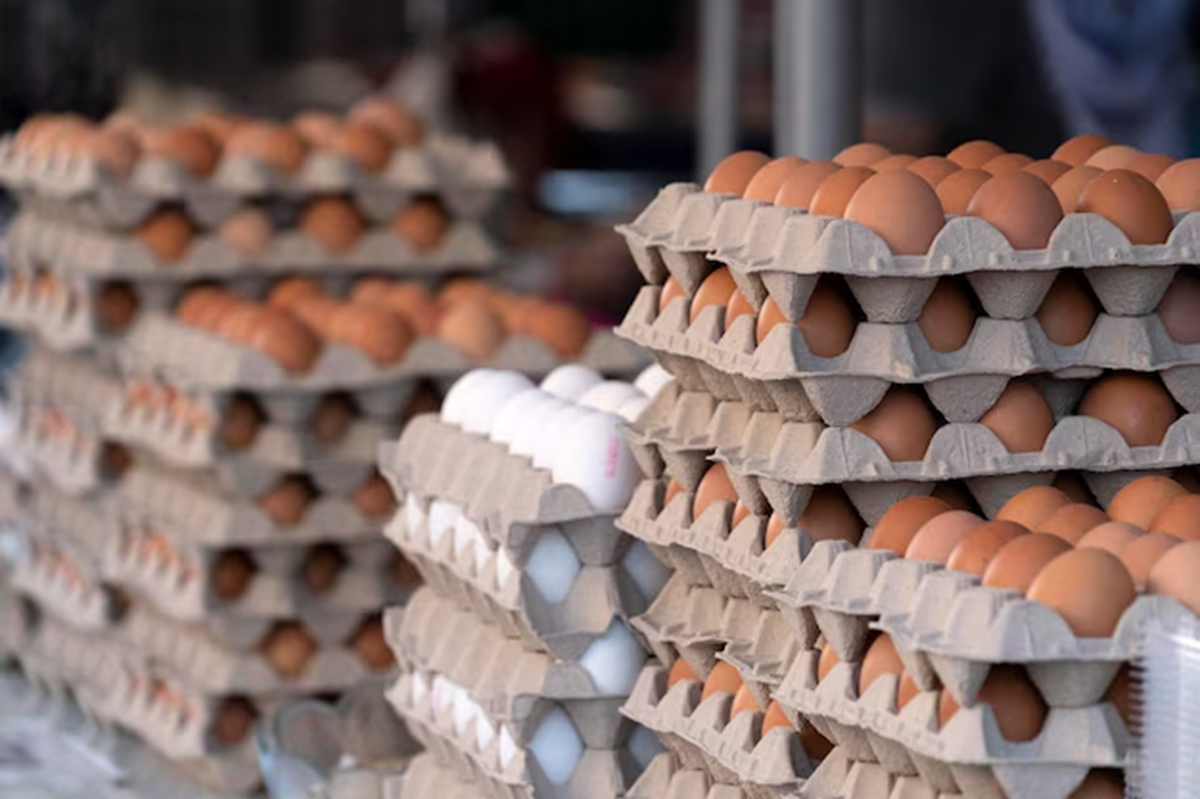
How to identify real and fake eggs?
Plastic Egg Myth vs. Reality Facts: Eggs are a common and nutritious food item consumed not only in India but worldwide. From breakfast to a variety of recipes, eggs are widely used in everyday meals. They contain a good amount of protein, along with many essential vitamins and minerals. However, amid growing concerns about adulterated food, questions continue to arise about the quality of eggs available in the market.
Videos of plastic or fake eggs go viral on social media from time to time. This raises the question: how can one distinguish between real and fake eggs? Is it easy to test at home?
What are fake or plastic eggs?
Fake or plastic eggs are considered man-made products made from chemicals, resins, or plastic materials designed to resemble real eggs. They do not contain the substance of real eggs. However, large-scale sales of fake eggs are not common. Sometimes, an egg that appears different from its original appearance may be due to improper storage, age, or other reasons. Therefore, it is not correct to assume that an egg is fake simply because it looks different.
Why is it important to test eggs?
Eggs are a good source of protein, vitamins, and minerals. The protein they contain is essential for body growth, muscle repair, and normal bodily functions. One egg contains approximately 6-7 grams of protein. The vitamin D and phosphorus in eggs help maintain strong bones and teeth. This is why eggs can be a good nutritional supplement for children, athletes, and the elderly.
However, eating poorly stored or spoiled eggs can lead to food poisoning, stomach infections, and diarrhoea. Children, the elderly, pregnant women, and those with weakened immune systems are at higher risk for foodborne illness. Therefore, it's important to pay attention to the freshness and proper storage of eggs.
How to check at home whether the egg is real or not?
Lab testing is the most reliable way to definitively determine whether an egg is fake or real. However, there are some simple methods you can use at home to assess its freshness and general quality.
Shake Test
An egg can be tested by holding it close to your ear and gently shaking it. Fresh eggs usually don't make much noise or feel anything moving inside. Older eggs may make a slight sound or feel the fluid moving due to changes inside.
Pay attention to the surface of the egg
The surface of a genuine eggshell may typically be slightly rough or grainy. If the egg appears unusually smooth, shiny, or waxy, its quality should be considered. However, an egg cannot be determined to be fake simply by looking at the surface.
Identify by smell
A spoiled egg may have an unpleasant or strong odour. Sometimes, signs of poor quality can be detected even before the egg is broken. If an egg has an unusual odour, it's best to avoid eating it.
Is the colour of the eggshell a sign of whether it is real or fake?
The color of an eggshell depends on the breed and type of hen. Eggs can be white, off-white, light brown, or dark brown. Therefore, the color of the shell alone cannot be used to determine whether an egg is real or fake. If the egg appears unusually highly polished or has an unnatural sheen in its color and texture, its quality may warrant attention.