LIFESTYLE
Tulsi Plant Care: How much water should you give basil in winter? Learn the gardener's secret.
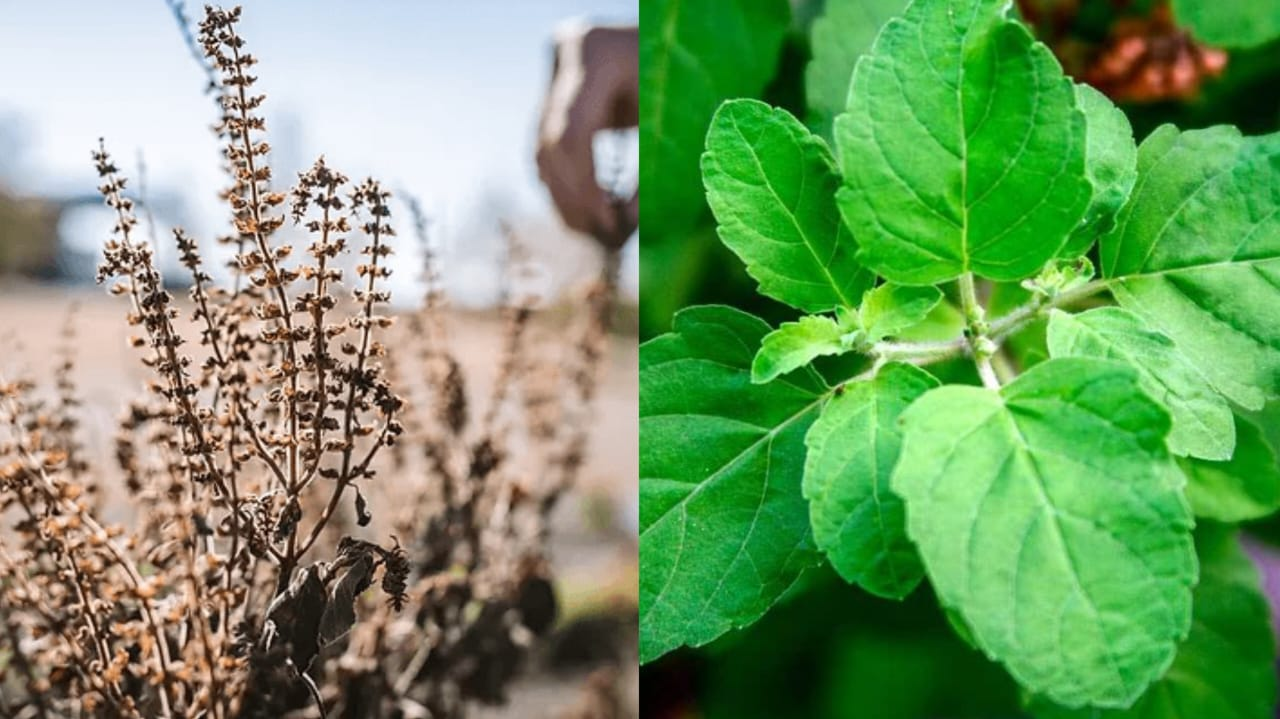
Tulsi Plant: Tulsi grows well in warm weather, but its growth slows significantly when cold weather sets in. Frost can damage its leaves.
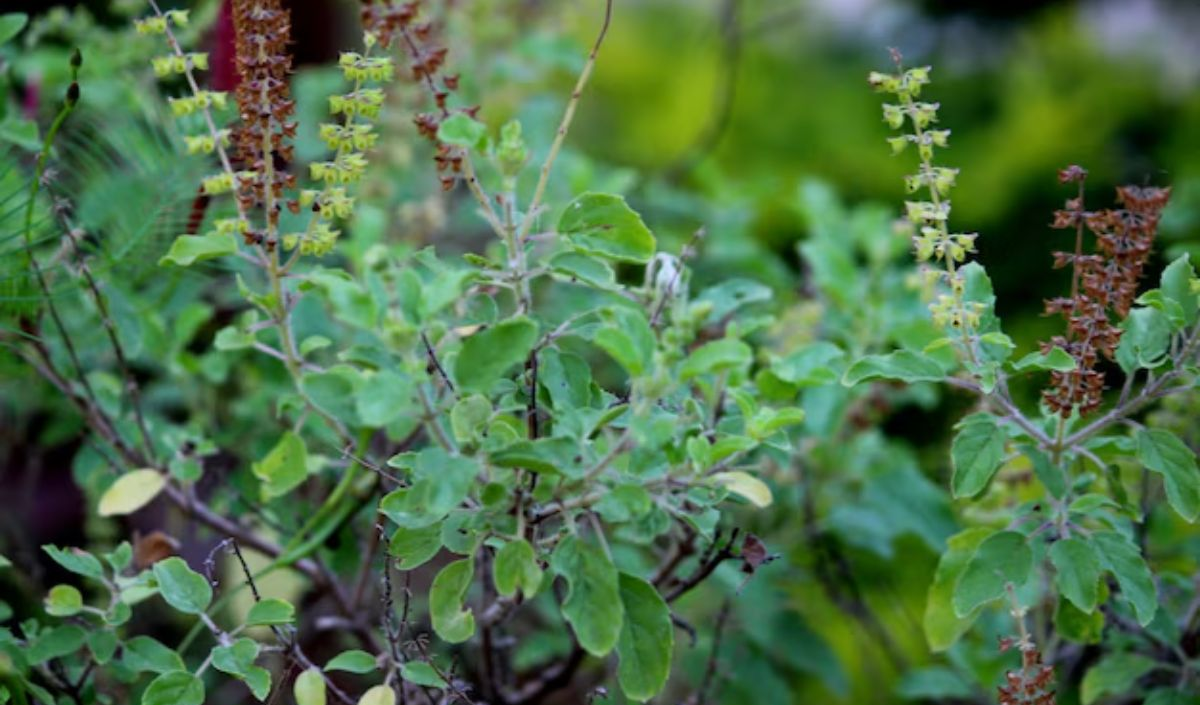
Basil Care in Winter
Tulsi Plant Care in Winter: Tulsi plants require a little more attention in winter than in other seasons. Tulsi's growth slows as the cold increases, and the soil can remain wet for extended periods. Therefore, watering the plant daily can be detrimental to the plant. When caring for Tulsi in winter, the most important considerations should be water, sunlight, and protection from cold winds.
Basil grows well in warm weather, but its growth slows significantly during cold weather. Frost can damage its leaves and affect the plant. Due to the shorter days in winter, the plant receives less sunlight. Therefore, it's important to adjust the watering method along with the proper placement of basil during this season.
Water basil sparingly in winters
Basil doesn't need much water during the winter. The dry air of winter can sometimes make it seem like the plant needs more water, but basil's growth slows during this season and it uses less water. Before watering, check the soil in the pot with your finger. Water only when the top 1 inch of soil feels dry. If the soil is still wet, don't rush to water.
Instead of watering on a regular schedule, it's better to monitor the soil's moisture level. This can help prevent excessive water from accumulating in the pot.
Give water in the morning.
Morning is a good time to water basil. Watering in the morning allows the plant and soil to gradually lose moisture during the day. This also reduces the chance of leaves remaining wet for extended periods. When watering, ensure the pot has proper drainage. If water doesn't drain out the bottom, the soil can remain wet for extended periods, potentially damaging the roots.
Do not add very cold water.
When watering basil in winter, be mindful of the water temperature. Avoid pouring very cold water directly onto the plant's roots. It's best to use room-temperature water. Very cold water can cause a sudden chill to the plant's roots. Therefore, only use water at room temperature.
Give basil plenty of sunlight.
In winter, the days are shorter, and the plant receives less sunlight than in summer. Therefore, place the basil pot in a location in your home or balcony that receives maximum direct sunlight. A south- or east-facing window or balcony is a good location for basil. The pot's location can be adjusted as the sun's direction and duration change during the seasons. Rotate the pot slightly every few days to ensure sunlight reaches all parts of the plant. This can help prevent the leaves from being exposed to constant sunlight on one side.
Protect from frost and cold winds
Frost can damage the basil plant in winter. On very cold nights, the pot can be kept indoors or placed in a balcony near a wall and protected from cold winds. Avoid placing the plant near an open door, window, or heater. Both very cold air and warm air from a heater can damage the leaves. On very cold nights, the basil plant can be covered with a light cloth or transparent sheet at night. Remove it in the morning to ensure the plant receives air and light.
Reduce fertilizer in winter.
Cold weather, so it doesn't need much fertilizing during this time. A small amount of diluted liquid fertilizer can be applied once a month. Instead of replacing all the soil, loosen the topsoil slightly and add a small amount of compost or a thin layer of mulch. This helps retain moisture in the soil.
Prune the plant on time.
Basil can also be lightly pruned during the winter. Removing spent flower stalks and lightly trimming any overly elongated stems helps keep the plant more spreading and bushy.