LIFESTYLE
Raw Olive Oil: What are the benefits of consuming raw olive oil? Arabs consume it in abundance.
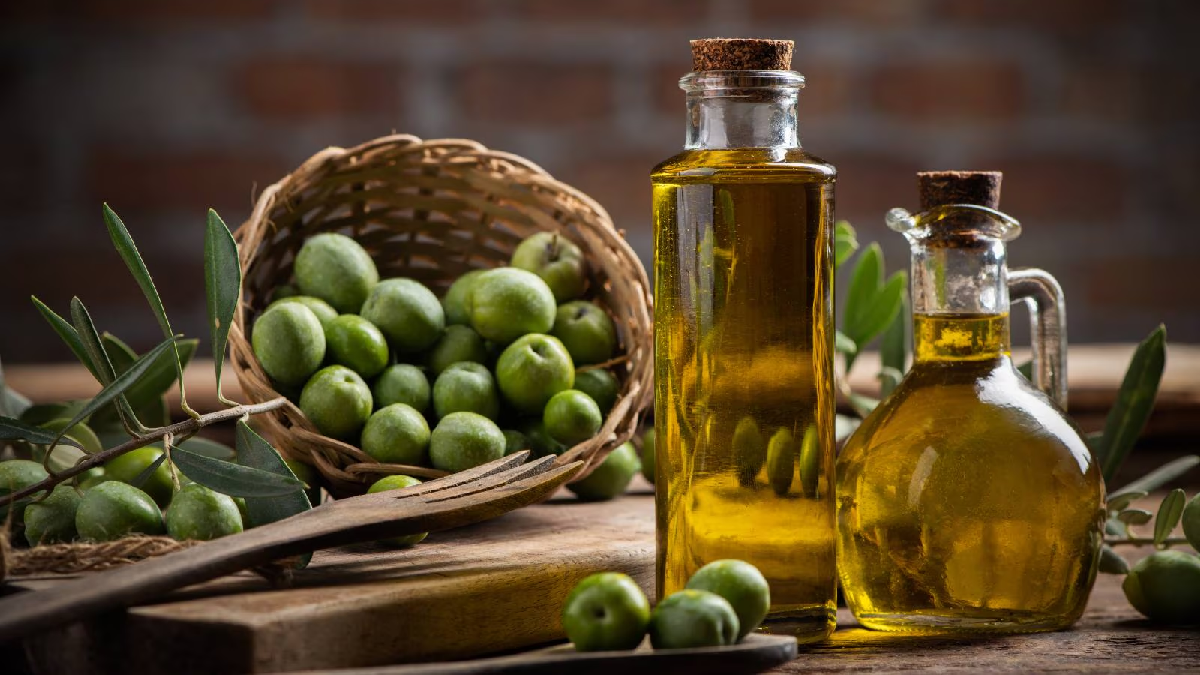
Oil Consumption: The quality of olive oil is determined by factors such as its taste, aroma, and the presence of any imperfections. Olive oil is considered to be of the highest quality.
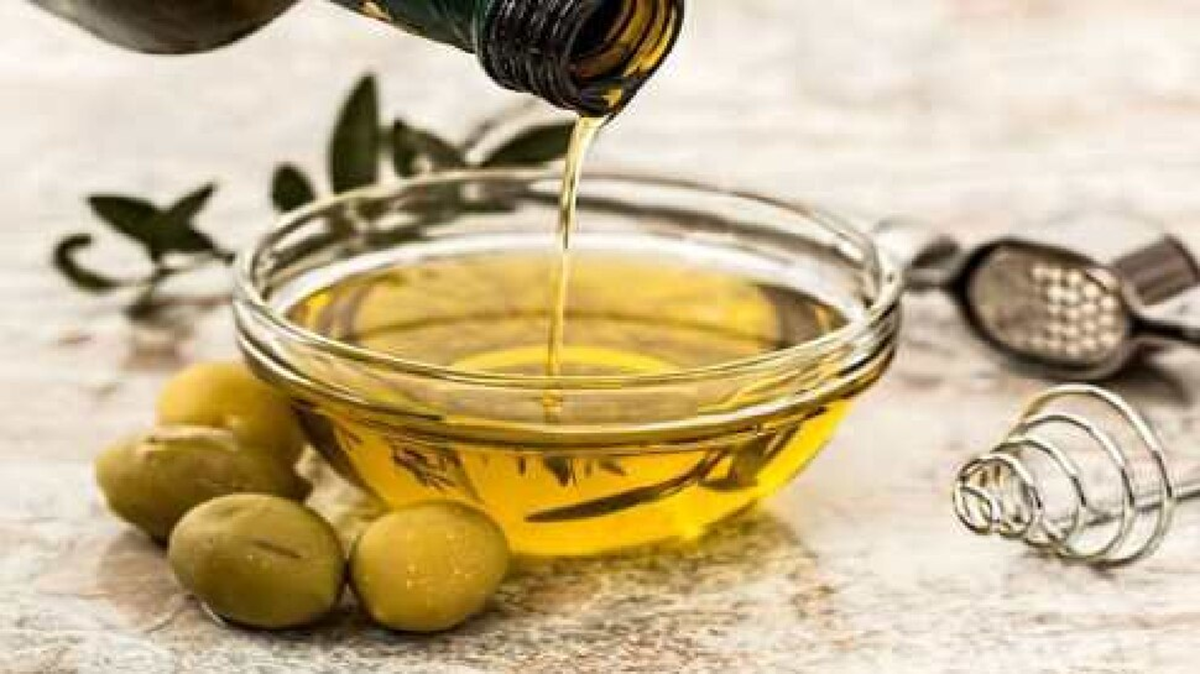
Benefits of Olive Oil
Olive Oil In Middle Eastern Cuisine: Olive oil is an integral part of Middle Eastern cuisine. People in this region have been using it for centuries, both in cooking and in many other ways. From skin care to various culinary delights, olive oil is a common ingredient here. The Middle East is a vast and diverse region, with diverse cuisines and distinct tastes and styles. Yet, one common ingredient in most cuisines is olive oil.
Olive oil is not only used to enhance the flavor of food, but it is also considered a good source of healthy fats. This is why olive oil has long been a staple in Middle Eastern cuisine.
Different varieties of olive oil
The quality of olive oil is determined by its taste, aroma, and imperfections. Extra virgin olive oil is considered the highest quality. It is extracted from the olives by cold pressing them for the first time. It is not refined or adulterated with other oils or other impurities. This results in a superior taste and aroma, while retaining the natural flavor of the olives.
Meanwhile, commercially available "light" olive oil is essentially refined olive oil with a small amount of virgin or extra virgin olive oil added. "Light" doesn't necessarily mean lower in calories. All types of olive oil have approximately the same number of calories per tablespoon. Light olive oil has a lighter flavor and color and can be used in cooking.
Why is it used so much in the Middle East?
There are many reasons why olive oil is so important in Middle Eastern cuisine.
Enhances the taste of food
Olive oil's most distinctive qualities are its flavor and aroma. Olive trees are abundant in this region. The oil extracted from these fruits has a distinctive flavor and aroma. It is used in Middle Eastern cuisine not only for cooking but also for salads, dressings, and toppings. It adds a distinctive flavor to food and enhances the flavors of other ingredients.
It is considered beneficial for health.
Olive oil is also considered beneficial for health. It contains monounsaturated fatty acids, known as good fats. These may help lower bad cholesterol levels and reduce the risk of heart disease. It also contains polyphenols, antioxidants that may help protect the body from oxidative stress and inflammation. Traditional Middle Eastern diets include fresh fruits, vegetables, lean proteins, and healthy fats, and olive oil is an important part of this diet.
Used in a variety of foods
Another unique feature of olive oil is that it's not just used for one type of cooking. It can be used with salads, dips, vegetables, and grilled meats. It's also used in baking and traditional desserts. This is why it's become an everyday staple in Middle Eastern kitchens.
Centuries-old tradition
The use of olive oil in Middle Eastern cuisine is said to date back thousands of years. It is an essential ingredient in many traditional dishes. Its use in many Middle Eastern cultures goes beyond just food. In addition to skin and hair care, it has also traditionally been used for health purposes.
Abundant olive harvest
Many regions of the Middle East have favorable climates for olive cultivation, resulting in rich olive production. Countries like Greece, Turkey, Lebanon, and Israel also produce significant amounts of olive oil. Because olives are readily available, so is their oil, which is why it remains popular for cooking and other uses.
How to keep olive oil fresh?
Proper storage is essential if you want to preserve the flavor and quality of olive oil for a long time. Exposure to air, light, and excessive heat can degrade the oil's quality and alter its flavor.