NEWS
'Public places cannot be occupied indefinitely for demonstrations, ' the SC makes an important observation.
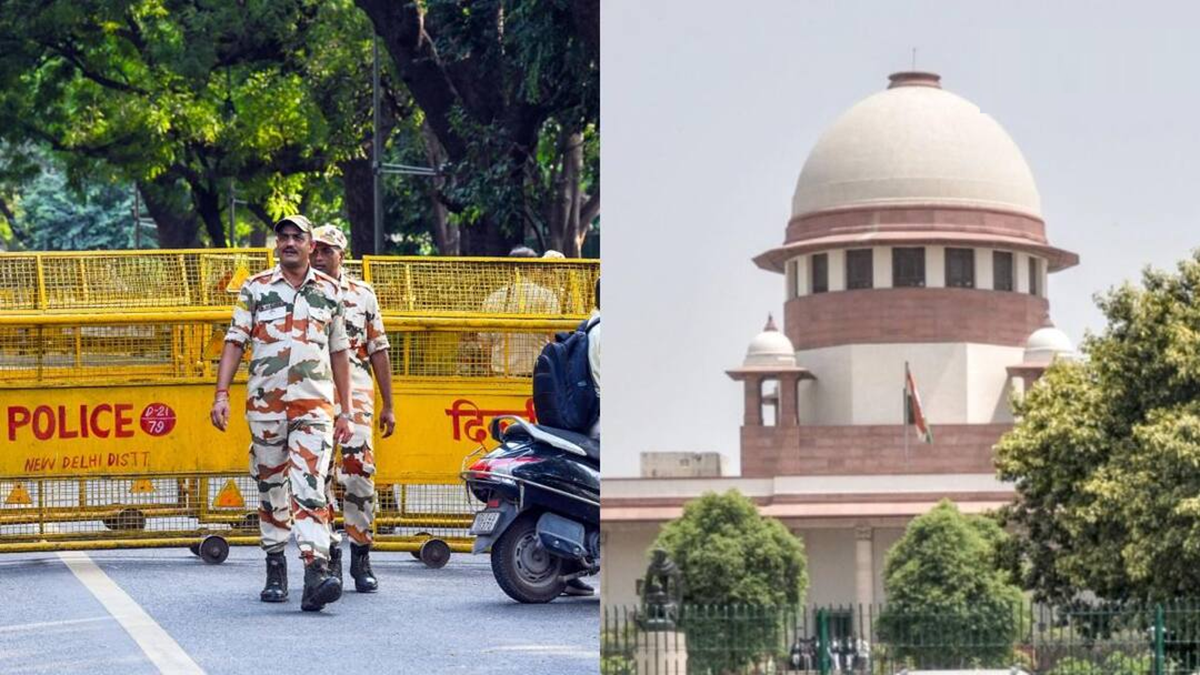
The Supreme Court has made important observations regarding the right to hold prolonged protests in public spaces. The court stated that no protesting group can be permitted to occupy a public space indefinitely. It also considers the impact such protests have on the livelihoods of ordinary citizens and daily wage laborers.
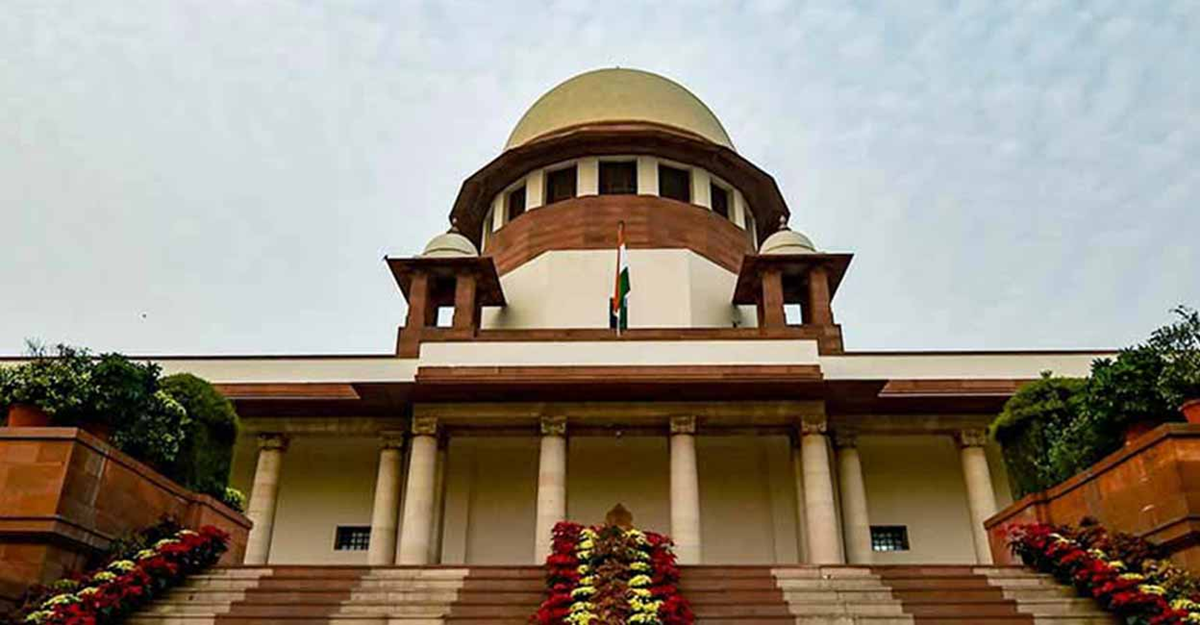
A bench headed by Chief Justice Surya Kant made this remark during a hearing on petitions related to protests against Chief Election Commissioner Gyanesh Kumar in Delhi in October. The petitioners' lawyers were protesting the removal of Jantar Mantar from the list of protest sites. Meanwhile, a trade organization argued that the ongoing protests were causing significant losses to businesses.
During this, Solicitor General Tushar Mehta mentioned the protests that took place in July. He told the court that permission was granted for a single day of protest, but the protesters sat for 17 days. After this, they attempted to march towards Parliament without permission. Those who staged the protests should be held accountable.
"One group cannot sit forever."
After hearing these arguments, the Chief Justice said that one or two places can be designated for demonstrations, but everyone should have a chance to protest there in turn. No group can be given the right to occupy a space and prevent others from protesting there. He questioned where farmers, laborers, trade unions, and homeless people would go if they also wanted to protest to press their demands.
Senior advocate Mukul Rohatgi, representing the traders
claimed that the protests have caused business losses of approximately ₹2,000 crore. He said that the closure of markets during the festive season affects the earnings of not only traders but also tempo drivers, laborers, and porters.
Justice Joymalya Bagchi, a member of the bench, questioned how only the protesters could be held responsible for the decline in business, when measures like barricading and closure of shops by the administration could also be the reason.
9 types of petitions
During the hearing on Tuesday, November 3, several issues were raised, including the safety of women journalists, the use of facial recognition technology to identify protesters, and the government's shutdown of metro, road, and internet services during protests. The court stated that the nodal lawyers in the case had divided the petitions into nine categories. Petitions in each category would be scheduled for separate hearings to facilitate the hearing. The order in which the lawyers would speak would also be determined.
The hearing also discussed the situation surrounding the opposition leaders' march
to the Supreme Court and the allegation that Rahul Gandhi pushed a pregnant journalist. The court announced it would hear the matter on November 23rd. The petitioner was asked to provide copies of the petition to all respondents so they could file their responses.