LIFESTYLE
Potato Buying Tips: Are potatoes turning black when cut? Recognize these signs before buying.
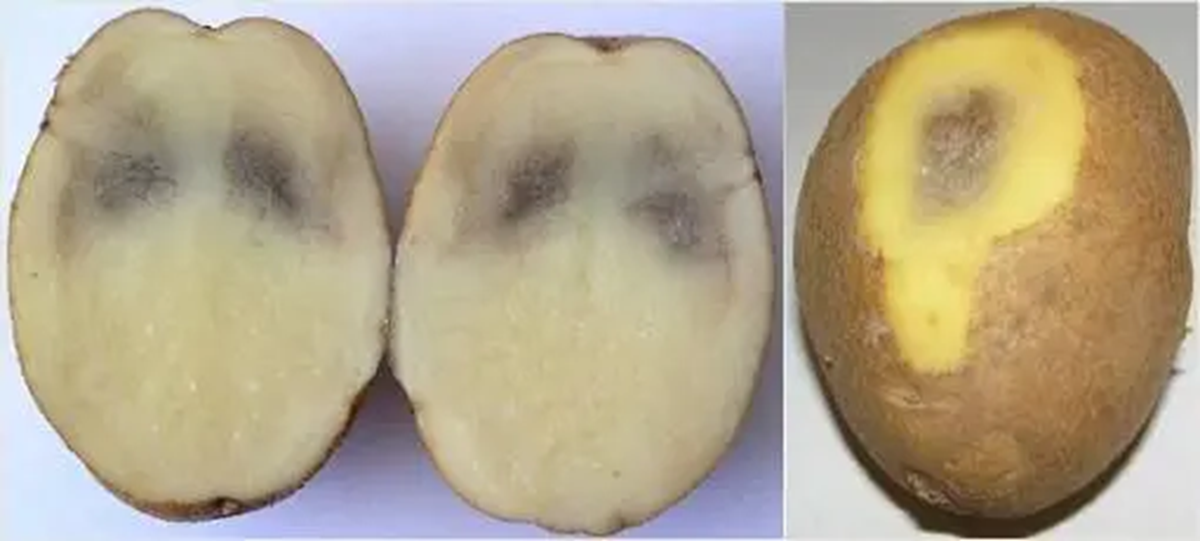
Black Inside Potato: Sometimes a potato that looks fine on the outside can turn out to be rotten on the inside. If you see black or brown areas when you cut the potato, or if its surface is shriveled, this shouldn't be ignored.

Easy ways to identify bad potatoes
How to Identify Bad Potatoes: When buying potatoes, we often put them in our basket based solely on their size and color. However, sometimes a potato that looks fine on the outside can turn out to be rotten on the inside. If a potato is cut open to reveal black or brown areas, a shriveled surface, or excessively soft, these symptoms should not be ignored. To choose the right potato, it's important to recognize certain signs at the time of purchase.
How long do potatoes last?
Raw and whole potatoes typically last two to three months if stored in a cool, dark, and dry place. Potatoes stored at room temperature, however, only last for one to two weeks. Therefore, it's important to consider both the storage location and the purchase of potatoes.
When buying potatoes, be sure to look at their surface.
A good raw potato feels firm to the touch. If it's too soft or shrinks too much when pressed, it could be a sign of spoilage. The outer skin of the potato shouldn't be too wrinkled. If the skin shows wrinkles, along with dark spots or bruises, it's best to avoid buying such a potato. A small mark on the surface isn't always a good sign of spoilage, but if softness, shriveled skin, and dark spots appear simultaneously, it's important to pay attention.
Why can the black part inside the potato be a matter of concern?
If you see black or dark brown areas inside a potato after cutting it, you should carefully inspect it. Especially if the potato is soft, smells bad, or shows other signs of rot, it should not be consumed. The inside of a potato is invisible from the outside, so it's more important to look at its external signs when purchasing. Potatoes that show bruises, dark spots, or shriveled skin may also be damaged.
Do not store potatoes if you see mold.
If mold is seen on a potato, it's not advisable to simply cut it off and use it, assuming it's a normal part. Mold can have parts that aren't visible to the naked eye. Therefore, if a potato is clearly moldy, it should be discarded. A strong or foul odor is also not a good sign. Normal raw potatoes have a mild, earthy, natural odor. A very strong and foul odor could indicate internal rot or mold.
Be careful if you see green potatoes
The presence of a greenish tint on the potato skin is also something to consider when purchasing. Potatoes can turn green when exposed to light. This green color is due to chlorophyll, but green potatoes can also contain elevated levels of a compound called solanine, which can be harmful if consumed in large quantities. Therefore, it's best to avoid purchasing potatoes that appear excessively green. Potatoes should also be stored at home away from direct light.
What to do if potatoes sprout?
Small sprouts on potatoes are also a sign that they have been stored for a long time and their condition is changing. With sprouts, the levels of glycoalkaloid compounds in potatoes can increase. Consuming them in large quantities can be associated with stomach pain, vomiting, and diarrhea. Therefore, when purchasing potatoes, choose those without visible sprouts. If large sprouts appear on potatoes stored at home, it is better to discard them rather than use them.
Look for the same signs in different types of potatoes.
Whether it's a red potato or a russet potato, the signs of spoilage can be quite similar. Any potatoes that show shriveled skin, dark spots, an overly soft texture, a bad odor, mold, sprouts, or a greenish tint should be discarded. A potato's quality cannot be determined solely by its color or shape. It's more important to feel its firmness and identify any unusual changes to the skin.
How to keep potatoes fresh for a long time?
To preserve potatoes for a long time, store them in a cool, dark, and dry place. A pantry, cupboard, or cabinet out of direct sunlight is a good choice. This storage method can slow down the process of sprouting and mold growth. Freezing raw potatoes is also not recommended; it can soften their texture and cause them to turn brown. Therefore, it's best to store potatoes away from excessive heat, moisture, and light.