NEWS
PM Surya Ghar Yojana: How Much Subsidy Can You Get for Rooftop Solar? Check Amount and Application Process
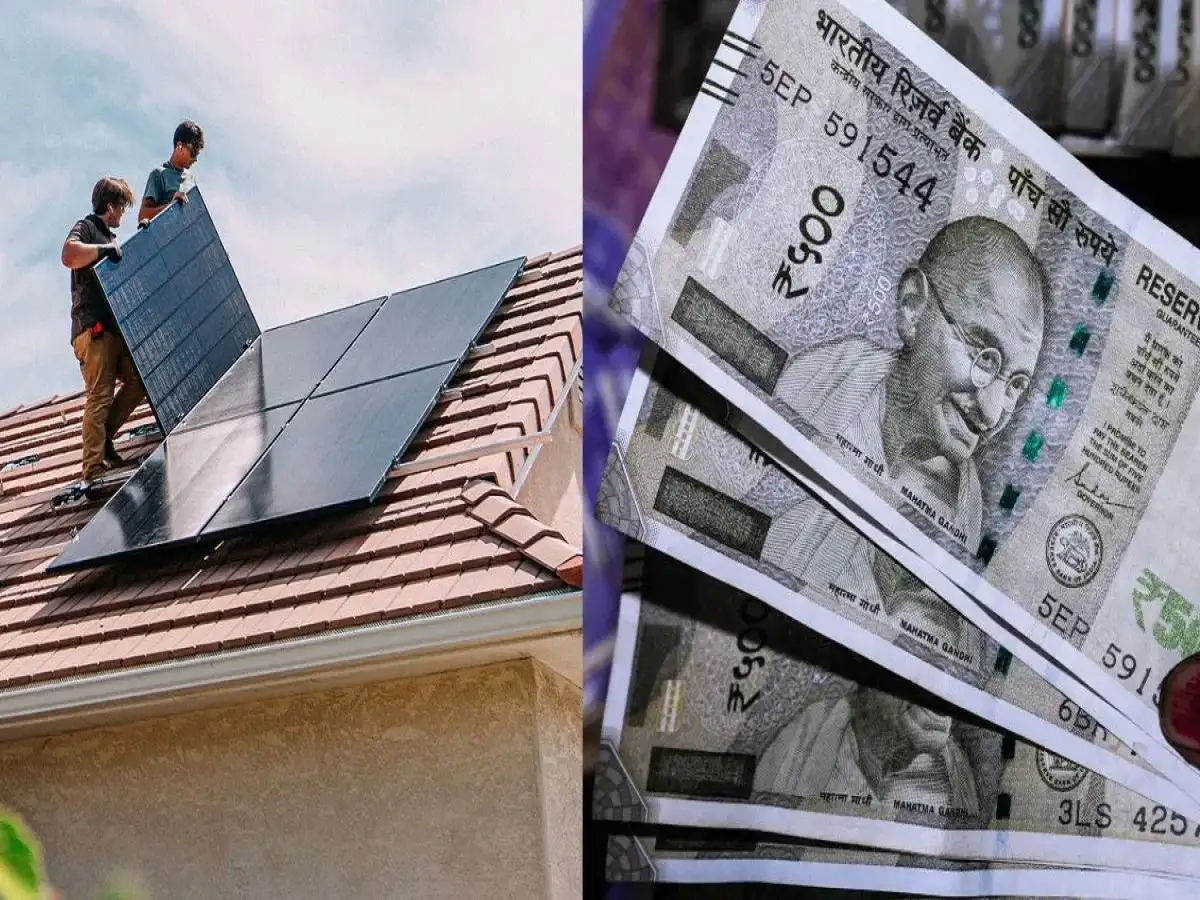
Rising electricity expenses have encouraged many households to consider rooftop solar as a way to reduce their dependence on conventional grid power. The government's PM Surya Ghar: Muft Bijli Yojana is designed to support this transition by providing financial assistance to eligible residential consumers installing rooftop solar systems.
Under the scheme, households can receive a central government subsidy based on the capacity of the eligible rooftop solar installation. The programme has been designed with the broader objective of helping households generate their own electricity and potentially reduce their monthly power bills.
The scheme's target of enabling households to obtain up to 300 units of free electricity per month should be understood in the context of electricity generated through rooftop solar. Actual savings depend on factors including system capacity, sunlight, household consumption, local electricity tariffs and applicable net-metering arrangements.
How Much Solar Subsidy Is Available?
The amount of central financial assistance depends primarily on the capacity of the rooftop solar system.
For eligible residential installations, the subsidy structure generally works as follows:
1 kW rooftop solar system: Up to ₹30,000
2 kW rooftop solar system: Up to ₹60,000
3 kW or higher rooftop solar system: Up to ₹78,000
This means the maximum central subsidy for an individual residential household is generally capped at ₹78,000 once the eligible system reaches 3 kW.
Consumers should remember that the subsidy is not necessarily equal to the complete cost of installing rooftop solar. The remaining installation expense has to be borne by the consumer.
Some states may also introduce separate incentives or additional assistance. Such benefits are state-specific and should be checked with the relevant state government or electricity distribution company.
How Can Rooftop Solar Reduce Your Electricity Bill?
Once rooftop solar panels are installed, they generate electricity during daylight hours.
Electricity produced by the system can help meet the household's own power requirements, thereby reducing the amount of electricity that needs to be purchased from the grid.
If the solar installation generates more electricity than the household consumes at a particular time, eligible consumers may be able to export surplus electricity to the grid through the applicable metering arrangement.
The financial treatment of exported electricity depends on the state's electricity regulations, DISCOM rules and the metering mechanism available in that area.
Therefore, consumers should not assume that every exported unit will automatically result in the same financial return everywhere.
Who Can Apply for PM Surya Ghar Yojana?
Applicants must satisfy the eligibility requirements of the scheme.
Generally, the applicant should be an Indian citizen and have a residential property suitable for rooftop solar installation.
A valid electricity connection is also required, along with sufficient rooftop space to install the proposed system.
Applicants should ensure that the property, electricity connection and other information submitted during registration meet the requirements specified on the official portal.
Consumers should check the latest eligibility conditions before paying a vendor or beginning installation.
Documents You May Need
Applicants may be asked to provide or verify information connected with their identity, electricity connection and bank account.
Commonly required details can include an Aadhaar card, recent electricity bill, consumer account number, mobile number and bank account information.
Additional documents or verification may be required depending on the DISCOM and application stage.
Bank information must be entered carefully because the eligible subsidy is transferred after the prescribed installation, inspection and commissioning process has been completed.
How to Apply for PM Surya Ghar Yojana Online
The application process is handled through the government's PM Surya Ghar portal.
Applicants first need to register by selecting their state and electricity distribution company and entering details such as the electricity consumer number.
After registration, the applicant can log in and complete the rooftop solar application.
Once the necessary approval or feasibility requirements are completed, the rooftop solar system should be installed through a vendor permitted under the scheme's applicable process.
After installation, the consumer must complete the required metering and commissioning formalities.
The electricity distribution company then carries out the prescribed inspection or verification process.
Once commissioning is successfully completed and the required certificate and bank details are processed through the portal, the eligible subsidy can be released to the beneficiary.
When Will the ₹78,000 Subsidy Be Credited?
Consumers should not expect the subsidy immediately after submitting an application.
Several steps have to be completed first, including installation of the eligible rooftop solar system, metering formalities, DISCOM verification and commissioning.
The subsidy is processed only after the required conditions are fulfilled.
Applicants should therefore track their application through the official portal instead of relying on promises made by agents about guaranteed or instant subsidy payments.
Is a 3 kW Rooftop Solar System Worth Considering?
A 3 kW system attracts attention because eligible individual households can receive central assistance of up to ₹78,000 under the applicable subsidy structure.
However, the right solar capacity for a household should not be selected merely to obtain the maximum subsidy.
The decision should consider monthly electricity consumption, available rooftop area, shadow-free space, local sunlight conditions, system cost and the household's expected long-term electricity requirement.
A properly sized system may provide better value than unnecessarily installing a larger one.
Be Careful of Fake Solar Subsidy Offers
Consumers should be cautious about websites, social-media advertisements or individuals claiming that they can provide an instant PM Surya Ghar subsidy in exchange for advance payments.
Use the government's official PM Surya Ghar portal for registration and verify vendor and application details through authorised channels.
Never disclose an OTP, UPI PIN, ATM PIN, CVV, online banking password or other sensitive banking credentials to anyone claiming to process the subsidy.
Rooftop Solar Can Provide Long-Term Savings
PM Surya Ghar: Muft Bijli Yojana can significantly reduce the initial financial burden of installing residential rooftop solar.
With central assistance of up to ₹30,000 for 1 kW, ₹60,000 for 2 kW and ₹78,000 for 3 kW or higher eligible household installations, the scheme makes rooftop solar more accessible to residential consumers.
However, the actual reduction in a household's electricity bill will depend on electricity consumption, solar generation, system size, tariffs and local net-metering rules.
Consumers planning to install rooftop solar should therefore calculate their electricity requirements carefully, verify the latest scheme conditions and complete the entire application through official channels before making a financial commitment.