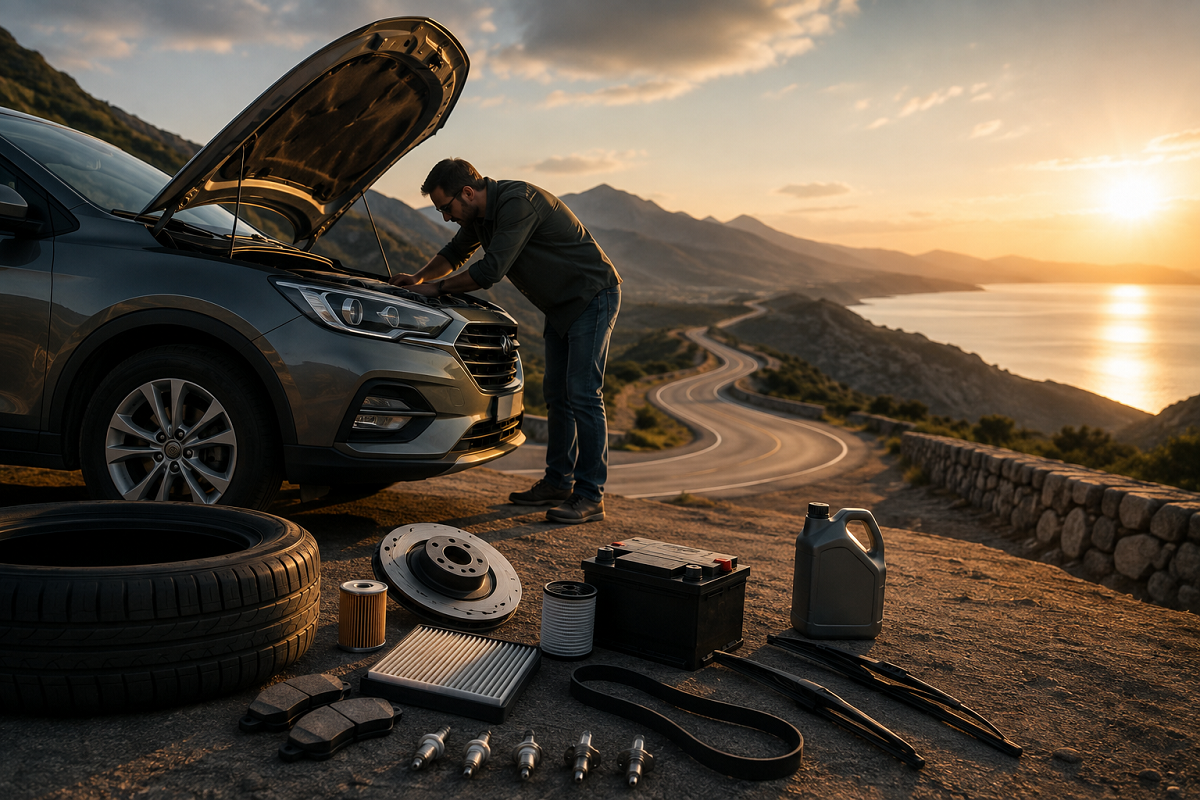
A long road trip can be one of the most enjoyable ways to travel. Open highways, favourite music, flexible stops and the freedom to explore at your own pace can make a journey memorable. However, a successful road trip depends on more than choosing the right route and packing your luggage.
Your car also needs to be ready for the kilometres ahead.
Minor issues such as incorrect tyre pressure, low engine oil, worn-out wipers or a weak battery can quickly turn into major problems when you are travelling far from home. A few basic checks before departure can reduce the chances of an unexpected breakdown and make the journey safer and more comfortable.
Here are some important areas of your vehicle that deserve attention before you begin a long-distance drive.
Start With Tyres and Check the Spare Too
Tyres should be among the first things you inspect before a highway journey because they are the vehicle’s only point of contact with the road.
Check the pressure in all four tyres and ensure it matches the level recommended by the vehicle manufacturer. The recommended pressure can generally be found in the owner’s manual or on a label inside the vehicle.
Driving with underinflated or overinflated tyres can affect handling, braking and fuel efficiency. It may also contribute to uneven tyre wear.
Do not forget to inspect the tyre tread and look for visible damage, cuts, cracks or unusual bulges.
The spare tyre is equally important. Make sure it is properly inflated and usable. Your car should also have a functioning jack, wheel wrench and other tools required to replace a tyre if necessary.
Check Engine Oil Before Covering a Long Distance
Engine oil plays an important role in keeping the engine properly lubricated. Before a long journey, check whether the oil level is within the recommended range.
If the oil is unusually low or you notice signs of leakage, it is better to get the vehicle inspected before leaving rather than simply topping it up and ignoring the possible cause.
If your car is approaching its scheduled service or oil-change interval, consider completing the maintenance before undertaking a particularly long journey.
Coolant and Other Fluids Need Attention
Engine oil is not the only fluid that matters.
Check the coolant level because the cooling system helps prevent the engine from overheating, especially during long drives, slow-moving traffic or hot weather.
Brake fluid and windshield washer fluid should also be inspected. Depending on the vehicle, other fluids may require attention according to the manufacturer’s maintenance schedule.
Take a quick look underneath the parked vehicle as well. Fresh fluid stains or puddles may indicate a leak that should be examined by a mechanic.
Never open a hot engine’s coolant cap, as pressurised hot coolant can cause serious burns.
Make Sure Your Brakes Feel Normal
Reliable brakes are essential for every journey, but their importance increases when travelling on highways, hilly roads or unfamiliar routes.
Pay attention to how the car behaves when you apply the brakes. Grinding or squealing sounds, unusual vibrations, a soft brake pedal or the vehicle pulling noticeably to one side can indicate a problem.
If you experience any unusual braking behaviour, have the braking system professionally inspected before beginning the trip.
It is much safer to address a suspected brake problem at home than discover it while travelling at highway speeds.
Test Headlights, Indicators and Brake Lights
Good visibility is important not only for you but also for other road users.
Before leaving, check the headlights, high beams, tail lamps, brake lights, indicators and hazard lights. If possible, ask another person to stand outside the vehicle while you operate each light.
Properly functioning lights become particularly important during nighttime driving, rain, fog or other low-visibility conditions.
A failed brake light or indicator can prevent other drivers from understanding your intentions and increase accident risk.
Inspect Wipers and Clean the Windshield
A dirty windshield or worn wiper blades can significantly reduce visibility during rain.
Switch on the wipers and check whether they clean the glass smoothly. If the blades leave streaks, make unusual noises or fail to clear water effectively, replacing them before the trip may be sensible.
Also ensure that the windshield washer reservoir has enough fluid.
Clean the windshield from both inside and outside before departure. Dust, fingerprints and oily residue on the inner surface can become particularly distracting when headlights from oncoming vehicles hit the glass at night.
Don’t Ignore the Car Battery
A battery problem can leave you stranded even when the engine, tyres and brakes are in excellent condition.
If the car struggles to start, the starter motor sounds unusually slow or the battery is already several years old, consider having its condition checked before a long journey.
Inspect the battery terminals for visible corrosion and ensure connections are secure. Battery health becomes particularly important when the journey involves remote locations where roadside assistance may not be immediately available.
Carry Essential Documents and Emergency Supplies
Vehicle preparation should also include checking the documents and emergency items you may need during the journey.
Keep your valid driving licence and applicable vehicle documents readily accessible. Depending on local requirements, these may include the vehicle registration certificate, insurance details and Pollution Under Control (PUC) certificate.
Digital documents available through officially recognized platforms may also be accepted in accordance with applicable rules, but keeping access to all necessary information before travelling is advisable.
Useful emergency supplies can include a first-aid kit, flashlight, phone charger or power bank, drinking water and basic vehicle tools.
An emergency warning triangle and reflective equipment can also be valuable if the car has to stop unexpectedly on the roadside.
Check Fuel and Plan Your Stops
Starting with adequate fuel sounds obvious, but it becomes particularly important when travelling through areas where fuel stations may be far apart.
For electric vehicles, plan charging stops in advance and consider factors such as driving speed, air-conditioning use, terrain and weather, which can affect available range.
It is also useful to check your route beforehand and identify fuel stations, charging points, rest areas and alternative routes.
A Quick Inspection Can Make the Journey More Relaxed
Preparing a car for a road trip does not always require complicated mechanical work. Many useful checks can be completed in a short time, while anything that appears abnormal can be examined by a qualified technician before departure.
Tyres, brakes, lights, engine fluids, wipers and the battery are among the key areas worth inspecting. Essential documents and emergency equipment should also be kept ready.
Most importantly, do not begin a long journey if the vehicle is showing a serious warning light or an unresolved mechanical problem.
A few minutes spent checking your car before leaving can reduce the possibility of spending hours waiting for assistance later. A road trip should be remembered for the destinations, scenery and experiences along the way—not for an avoidable breakdown on the highway.